33 citations
,
January 2018 in “Blood” Ruxolitinib helps protect skin stem cells and keeps skin healthy in mice with skin GVHD.
 August 2016 in “Journal of Dermatology”
 A chemical called 5-Bromo-2′-deoxyuridine caused rapid hair loss in mice by killing certain skin cells through a specific cell death pathway.
 2 citations
,
May 2021 in “Clinical Pharmacology in Drug Development”
2 citations
,
May 2021 in “Clinical Pharmacology in Drug Development” Clascoterone is safe for the heart, even at high doses.
28 citations
,
December 2001 in “European Journal of Pharmacology” M50054 may help treat hepatitis and hair loss from chemotherapy.
17 citations
,
November 1982 in “Annals of Internal Medicine” 5-aminosalicylic acid enemas may cause hair loss.
80 citations
,
June 1997 in “The American Journal of Human Genetics”  December 2022 in “Gastroenterology”
 A man with Cronkhite-Canada syndrome improved significantly with immunosuppressive therapy.
Letrozole combined with Cabergoline improves ovulation and pregnancy rates in women with PCOS and high prolactin levels compared to Letrozole alone.
January 2017 in “Enlighten: Publications (The University of Glasgow)” Activating β-catenin and inactivating PTEN cause follicular tumors, not papillomas, similar to those in Cowden’s Disease.
December 2023 in “International Journal of Dermatology” Mutant Cx43 causes slower wound healing and hair growth issues in ODDD.
2 citations
,
July 2016 in “Veterinary dermatology” Hyperaesthetic leucotrichia in horses causes painful, recurring skin lesions and hair color changes, especially in Arabian and American paint horses.
 14 citations
,
August 2007 in “Bioorganic & Medicinal Chemistry Letters”
14 citations
,
August 2007 in “Bioorganic & Medicinal Chemistry Letters” The compound (1R,2S)-4-(2-Cyano-cyclohexyl-oxy)-2-trifluoromethyl-benzonitrile can stimulate hair growth and reduce oil production when applied topically.
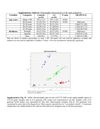 7 citations
,
July 2020 in “Immunological Investigations”
7 citations
,
July 2020 in “Immunological Investigations” The rs231775 genetic variant is linked to a higher risk and severity of Alopecia Areata in males.
1 citations
,
October 2024 in “Veterinary Dermatology” A Cavalier King Charles Spaniel had both uveodermatological syndrome and alopecia areata, and treatment with ciclosporin helped regrow hair.
January 1984 in “Japanese Journal of Clinical Immunology” A woman with lupus developed a rare skin condition, which improved with increased medication.
 June 2020 in “Nihon Ika Daigaku Igakkai Zasshi”
 aPKCλ is essential for hair follicle stem cell maintenance and wound healing.
 3 citations
,
September 2020
3 citations
,
September 2020 Dyclonine can effectively reduce skin issues by inhibiting the TRPV3 channel.
A new genetic mutation was found causing hair and eye issues in a boy.
Isotretinoin is recommended for acne treatment as it is as effective as cyproterone compound.
 4 citations
,
October 2022 in “Microbial Cell Factories”
4 citations
,
October 2022 in “Microbial Cell Factories” Certain bacteria from the Citrullus colocynthis plant may be a new source of antibiotics to fight drug-resistant diseases.
 19 citations
,
August 1999 in “European journal of endocrinology”
19 citations
,
August 1999 in “European journal of endocrinology” The study concluded that testing hormone levels after stimulation is not reliable for identifying carriers of 21-hydroxylase deficiency; genetic testing is necessary.
7 citations
,
January 2011 Collagen XVIII is crucial for maintaining tissue structure and function in the brain, kidneys, and hair.
 April 2018 in “Journal of Investigative Dermatology”
 CREB, a protein that can promote cancer traits, is controlled by β-catenin in skin cancer cells.
 November 2017 in “Asian journal of pharmaceutical and clinical research”
 Three compounds from Dadap leaves may help treat hair loss.
 July 2024 in “Skin Appendage Disorders”
 The supplement significantly improves hair density and appearance in people with hair loss.
 March 2024 in “Organic letters”
 A new method efficiently modifies alkenes to create useful medicinal compounds.
 8 citations
,
April 2011 in “Surgery today”
8 citations
,
April 2011 in “Surgery today” A substance called sodium zinc dihydrolipoylhistidinate can significantly reduce hair loss caused by chemotherapy in rats.
July 2024 in “Journal of Investigative Dermatology” CD8+ T cells expand significantly in alopecia areata, suggesting new treatment targets.
20 citations
,
December 2012 in “Journal of molecular structure” The study found that thioglycolic acid breaks down hair bonds more consistently than l-cysteine, which is less damaging to hair.