35 citations
,
January 2006 in “Cancer Research” Mice with extra PKCδ resist chemical-induced skin cancer but not UV-induced.
 26 citations
,
October 2023 in “Neuroscience Bulletin”
26 citations
,
October 2023 in “Neuroscience Bulletin” Stem cell therapy could help regenerate inner ear hair cells to treat hearing loss.
2 citations
,
April 2025 in “Biologics” Dupilumab and ustekinumab are promising treatments for alopecia areata, showing significant hair regrowth.

Plakophilin 1 helps control skin cell immune responses to prevent excessive inflammation.
 March 2025 in “MAEDICA – a Journal of Clinical Medicine”
 COVID-19 may worsen symptoms of benign prostatic hyperplasia (BPH).
 August 2024 in “Qucosa (Saxon State and University Library Dresden)”
 White fat tissue in the skin helps control inflammation by affecting certain immune cells.
 January 2019 in “Springer eBooks”
 Acne is linked to inflammation and insulin resistance, and is associated with various syndromes that require different treatments.
 7 citations
,
January 2020 in “International Journal of Molecular Sciences”
7 citations
,
January 2020 in “International Journal of Molecular Sciences” Low-frequency electromagnetic fields can boost molecules related to hair growth in human skin cells.
 91 citations
,
July 2010 in “Tissue Engineering Part A”
91 citations
,
July 2010 in “Tissue Engineering Part A” Low-oxygen conditions and ECM degradation products increase the healing abilities of perivascular stem cells.
 55 citations
,
January 2016 in “Annals of Dermatology”
55 citations
,
January 2016 in “Annals of Dermatology” Microneedle stimulation can increase hair growth in mice.
1 citations
,
May 2015 in “Experimental Dermatology” Overactive Stat3 in mouse skin causes hair loss and cell structure damage.

Managing oxidative stress and inflammation is crucial for better hair transplant results.
 January 2015 in “Springer eBooks”
 Fat-derived stem cells and their secretions show promise for treating skin aging and hair loss.
11 citations
,
April 2022 in “International Journal of Molecular Sciences” Understanding the Wnt/β-catenin pathway and photobiomodulation could improve diabetic wound healing.
11 citations
,
February 2018 in “Oncotarget” Lower SMAD2/3 activation predicts more severe skin cancer.

Low-level laser therapy may help stem cells grow and function better, aiding in healing and tissue repair.
51 citations
,
March 2022 in “Frontiers in Immunology” Alarmin cytokines are key in controlling skin immunity and inflammation.
 25 citations
,
July 2016 in “The journal of investigative dermatology/Journal of investigative dermatology”
25 citations
,
July 2016 in “The journal of investigative dermatology/Journal of investigative dermatology” Imiquimod cream activates hair follicle stem cells and causes early hair growth by changing immune cells and certain protein expressions.
 18 citations
,
December 2018 in “Expert Opinion on Biological Therapy”
18 citations
,
December 2018 in “Expert Opinion on Biological Therapy” Hair follicle stem cells are promising for wound healing but require more research for safe clinical use.
 9 citations
,
November 2018 in “Drug Discovery Today”
9 citations
,
November 2018 in “Drug Discovery Today” Using skin stem cells and certain molecules might lead to scar-free skin healing.
5 citations
,
June 2022 in “Journal of Oncology” Blocking the Hedgehog pathway may help overcome drug resistance in multiple myeloma.
 1 citations
,
October 2025 in “Iranian journal of pharmaceutical research”
1 citations
,
October 2025 in “Iranian journal of pharmaceutical research” Geranyl acetate can protect skin cells from damage and inflammation caused by para-phenylenediamine.
 1 citations
,
May 2022 in “Frontiers in Pharmacology”
1 citations
,
May 2022 in “Frontiers in Pharmacology” Astilbin can potentially calm overactive immune responses, like in Type 1 Diabetes, by suppressing certain cell activities and reducing inflammation.
 February 2025 in “Applied Sciences”
 Scenedesmus deserticola JD052 extracts may help hair growth and could be a natural treatment for hair loss.
1 citations
,
January 2025 in “Regenerative Biomaterials” Exosomes from Pinctada martensii mucus can safely reduce melanin production, offering a new treatment for skin pigment issues.
 18 citations
,
July 2016 in “Medicine”
18 citations
,
July 2016 in “Medicine” Wnt/β-catenin and TGF-β pathways affect hair loss, and activating Wnt/β-catenin could be a potential treatment.
 9 citations
,
January 2018 in “Acta dermato-venereologica”
9 citations
,
January 2018 in “Acta dermato-venereologica” A substance called poly(I:C) increases a protein called carbonic anhydrase II in skin cells, which might help with skin defense and healing.
 7 citations
,
March 2018 in “Asian-Australasian journal of animal sciences”
7 citations
,
March 2018 in “Asian-Australasian journal of animal sciences” OCIAD2 and DCN genes affect hair growth in goats by having opposite effects on a growth signaling pathway and inhibiting each other.
 7 citations
,
December 2008 in “Journal of Dermatological Science”
7 citations
,
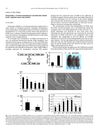
December 2008 in “Journal of Dermatological Science” Progranulin overexpression leads to shorter, thinner hair and increased cell death in mouse hair follicles.
6 citations
,
August 2024 in “The Journal of Dermatology” Ozenoxacin reduces sebum production, helping manage acne.