1 citations
,
February 2016 in “Cell Transplantation” Hair follicles have a more inactive cell cycle than other skin cells, which may help develop targeted therapies for skin diseases and cancer.
January 2026 in “Aging and Disease” Targeting mitochondria can improve skin health and slow aging.
January 2025 in “Dermatology Research and Practice” Restoring skin microbial balance may help treat acne.
 July 2024 in “Clinical Cosmetic and Investigational Dermatology”
 Certain immune cells are linked to non-scarring hair loss, suggesting potential for immune-targeted treatments.
October 2025 in “Cosmetics” Genetic insights can lead to personalized treatments for acne, androgenetic alopecia, and alopecia areata.
488 citations
,
July 2021 in “Cell” Fibroblasts are crucial for tissue repair and inflammation, and understanding them can help treat fibrotic diseases.
December 2025 in “Journal of Inflammation Research” Improving education, training, and access to affordable treatments is crucial for better managing inflammatory skin diseases in Latin America.
 August 2023 in “Journal of Cosmetic Dermatology”
 Exosomes from hair papilla cells and the Chinese medicine Liao Tuo Fang can potentially promote hair growth and could be used to develop hair growth drugs.
62 citations
,
January 2015 in “Journal of Dermatological Science” New genetic discoveries may lead to better treatments for alopecia areata.
March 2025 in “Archives of Dermatological Research” miR-155-5p can help diagnose and track alopecia areata severity.
2 citations
,
November 2024 in “JAAD reviews.” Certain drugs can change hair color, either lightening or darkening it.
 December 2025 in “Journal of Composites and Compounds”
 Composite biomaterials can precisely control immune responses for better disease treatment.
 January 2018 in “Springer eBooks”
 Cancer treatments targeting specific cells often cause skin, hair, and nail problems, affecting patients' lives and requiring careful management.
 68 citations
,
November 2015 in “The Journal of Allergy and Clinical Immunology”
68 citations
,
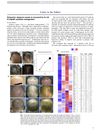
November 2015 in “The Journal of Allergy and Clinical Immunology” Blocking IL-12/IL-23p40 helped reverse severe hair loss in patients.
 March 2026 in “Frontiers in Medicine”
 New therapies for rare skin diseases show promise but need more research.
 19 citations
,
December 2015 in “Journal of Materials Chemistry B”
19 citations
,
December 2015 in “Journal of Materials Chemistry B” Scientists have created a method to deliver specific cells that can regenerate hair follicles, potentially offering a new treatment for hair loss.
 176 citations
,
August 2015 in “The journal of allergy and clinical immunology/Journal of allergy and clinical immunology/The journal of allergy and clinical immunology”
176 citations
,
August 2015 in “The journal of allergy and clinical immunology/Journal of allergy and clinical immunology/The journal of allergy and clinical immunology” Alopecia areata involves immune activation in the scalp, suggesting treatments targeting TH1, TH2, and IL-23 pathways.
 65 citations
,
June 2020 in “Stem Cell Research & Therapy”
65 citations
,
June 2020 in “Stem Cell Research & Therapy” Certain immune system proteins are important for skin healing but can cause problems if there are too many of them.
39 citations
,
April 2019 in “The journal of immunology/The Journal of immunology” Malt1 protease is essential for regulatory T cell function and could be targeted to boost antitumor immunity.
 5 citations
,
September 2024 in “Stem Cell Research & Therapy”
5 citations
,
September 2024 in “Stem Cell Research & Therapy” Sertoli cell transplants can reduce inflammation and improve sperm quality.
 May 2025 in “The Journal of Rheumatology”
 Anifrolumab may help improve symptoms in patients with overlapping autoimmune diseases.
 411 citations
,
April 2010 in “Gastroenterology”
411 citations
,
April 2010 in “Gastroenterology” Targeting colon cancer stem cells might lead to better treatment results.
 55 citations
,
July 2016 in “Dermatologic Therapy”
55 citations
,
July 2016 in “Dermatologic Therapy” Multiple treatments work best for hair loss.
 1 citations
,
March 2024 in “Signal transduction and targeted therapy”
1 citations
,
March 2024 in “Signal transduction and targeted therapy” NF-κB signaling is crucial in many diseases and can be targeted for new treatments.
 September 2023 in “HAL (Le Centre pour la Communication Scientifique Directe)”
 Peptide nanoparticles can effectively deliver CRISPR-Cas9 to target KRAS mutations in cancer.
 60 citations
,
July 2020 in “ACS Nano”
60 citations
,
July 2020 in “ACS Nano” Using CRISPR for gene editing in the body is promising but needs better delivery methods to be more efficient and specific.
 17 citations
,
June 2021 in “Molecules”
17 citations
,
June 2021 in “Molecules” Melatonin-loaded nanocarriers improve melatonin delivery and effectiveness for various medical treatments.
 January 2026 in “International Journal of All Research Education & Scientific Methods”
 Alopecia is caused by various factors, and new treatments like gene editing and regenerative medicine offer hope for personalized hair regrowth solutions.
 January 2026 in “Frontiers in Materials”
 Metal-organic frameworks help heal wounds by effectively delivering medicine.
 December 2025 in “ADMET & DMPK”
 Personalized treatments for hair loss focus on specific genetic and biological pathways.