1 citations
,
January 2015 in “China Animal Husbandry & Veterinary Medicine” Four keratin genes are crucial for hair growth in Xinji fine wool sheep.
 February 2026 in “BMC Genomics”
 MEG3-miRNAs help control wool traits in young Tan sheep by regulating immune responses, but their decline with age leads to wool changes.
April 2024 in “Anais Brasileiros de Dermatologia” 
Melatonin helps grow cashmere goat hair by activating the Wnt10b gene.
11 citations
,
April 2012 in “Journal of Investigative Dermatology” A specific mutation in PA-PLA1α causes abnormal hair growth.
 October 2025 in “Animal Bioscience”
 Key genes linked to important traits in Chinese sheep and goats have been identified, but challenges remain in breeding improvements.
26 citations
,
April 1996 in “Journal of Investigative Dermatology”  March 2024 in “Journal of Applied and Natural Science”
 Mentha spicata leaves lower testosterone and aggression in female rats.
February 2026 in “Revista Saber Digital” Deslorelin effectively treats alopecia X in dogs.
 January 2026 in “Lithuanian University of Health Sciences”
 Methyl cellulose makes the most stable Equisetum arvense gel.
January 2026 in “Biospecies” A 70% black ear mushroom extract hair tonic effectively stops M. furfur growth.
1 citations
,
September 2023 in “Animals” A new goat gene affects cashmere fiber thickness; certain variations can make the fibers coarser.
3 citations
,
January 2025 in “Animal Genetics” Variants on chromosome 10 affect hair thickness in Dazu black goats.
Immunological skin diseases in pigs are rare and can be caused by immune system issues or external factors.
 51 citations
,
January 2004 in “Domestic animal endocrinology”
51 citations
,
January 2004 in “Domestic animal endocrinology” Melatonin implants and long daylight hours alter the timing of hormone release and hair growth in mouflon sheep.
 January 2023 in “Acta historiae medicinae stomatologiae pharmaciae medicinae veterinariae”
 Stag parts were historically used in medicine for various health issues.
2 citations
,
August 2016 in “Journal of Investigative Dermatology”  November 2022 in “Journal of Investigative Dermatology”
 Dynlt3 is important for melanosome transport and skin coloration.
14 citations
,
May 2022 in “Animals” Female goslings have darker feathers than males due to more melanin.
 109 citations
,
October 2007 in “American Journal of Human Genetics”
109 citations
,
October 2007 in “American Journal of Human Genetics” Giving a special protein to dogs with a certain genetic disease improved their symptoms but didn't help with hair growth.
 December 2024 in “Frontiers in Pharmacology”
 Araliadiol may promote hair growth like minoxidil without being toxic.
 December 2011 in “Korean journal of veterinary research”
 A Miniature Pinscher dog with hair loss and scaling was diagnosed with pattern alopecia and improved with melatonin treatment.
3 citations
,
March 2012 in “Arab Journal of Urology” Certain drugs can reduce bladder muscle contractions, potentially helping treat bladder diseases.
8 citations
,
July 2004 in “Journal of morphology” Marsupial hair structure and keratin distribution are similar to placental mammals.
 April 2025 in “International Journal of Health Sciences”
 Polyscias scutellaria has potential health benefits, including fighting bacteria, fungi, inflammation, diabetes, cancer, and promoting hair growth.
 32 citations
,
July 2018 in “Scientific Reports”
32 citations
,
July 2018 in “Scientific Reports” Essential-oils-cobalt improves goat growth and product quality.
January 2021 in “Universal Journal of Pharmaceutical Research” Russelia equisetiformis extract protects against liver damage from paracetamol.
September 2025 in “Animals” Accurate diagnosis and effective treatment are crucial to manage and prevent the spread of skin fungal infections in animals.
 2 citations
,
September 1980 in “Experientia”
2 citations
,
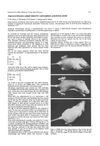
September 1980 in “Experientia” Polyethylene alanine caused hair loss in young lab animals but not in adults, with hair regrowth occurring within 20 days.
14 citations
,
December 2016 in “PloS one” Keratin 26 affects cashmere goat hair growth and is influenced by various treatments.