 16 citations
,
November 2019 in “Nanomedicine”
16 citations
,
November 2019 in “Nanomedicine” Thermoresponsive nanogels show promise for delivering medicine through the skin but need more safety testing and regulatory approval before clinical use.
 January 2003 in “Journal für Kardiologie (Krause & Pachernegg GmbH)”
 Testosterone therapy can improve skin and hair in men with low testosterone but may cause skin irritation with certain treatments.
 June 2026 in “Journal of Comprehensive Dermatology”
 Minoxidil is effective for hair growth, especially with new delivery methods and personalized treatments.
26 citations
,
April 2024 in “Particle and Fibre Toxicology” Nanoplastics can penetrate skin cells, triggering inflammation and immune responses.

Different hair growth phases affect how follicles respond to X-rays, and hormones like testosterone and dihydrotestosterone play a key role in baldness; transplanted hair can grow on bald scalp areas.
2 citations
,
February 2025 in “Journal of Nanobiotechnology” Modified frameworks with stearic acid enhance drug delivery and promote hair growth.
 July 2025 in “Dermatologica Sinica”
 Glycyrrhizin may help regrow hair by activating a specific pathway.
 34 citations
,
September 1985 in “Contact Dermatitis”
34 citations
,
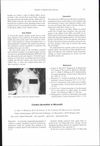
September 1985 in “Contact Dermatitis” Minoxidil can cause skin irritation like eczema and rash in some users.
 8 citations
,
June 2021 in “Frontiers in Bioengineering and Biotechnology”
8 citations
,
June 2021 in “Frontiers in Bioengineering and Biotechnology” Extracts from Alnus sibirica and oregonin may help with hair growth and prevent hair loss.
 January 2026 in “Cirugía Plástica .”
 Topical glutamic acid may help hair regrow after burns, but more human testing is needed.
February 2026 in “American Journal Of Pathology” Skin organoids can mimic human skin responses to injury and inflammation, making them useful for studying skin diseases and testing treatments.
 17 citations
,
December 2015 in “BMC Complementary and Alternative Medicine”
17 citations
,
December 2015 in “BMC Complementary and Alternative Medicine” A new plant extract from Avicennia marina could potentially be used to treat common hair loss.
 38 citations
,
June 2005 in “Contact Dermatitis”
38 citations
,
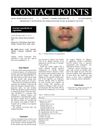
June 2005 in “Contact Dermatitis” Patient had scalp allergy from minoxidil; test helped identify cause and suggest alternative treatments.
Meshushit ointment helps form thicker healing tissue and preserves hair follicles in burns.
 61 citations
,
May 2014 in “International journal of pharmaceutics”
61 citations
,
May 2014 in “International journal of pharmaceutics” Nanocrystals improve skin penetration and stability of caffeine, suggesting a new method for delivering similar substances through the skin.
 8 citations
,
October 2020 in “Pharmaceutics”
8 citations
,
October 2020 in “Pharmaceutics” Dutasteride-loaded nanoparticles coated with Lauric Acid-Chitosan show promise for treating hair loss due to their controlled release, low toxicity, and potential to stimulate hair growth.
August 2025 in “Tropical Journal of Natural Product Research” Celery extract and candlenut oil effectively and safely boost hair growth.
 10 citations
,
June 2018 in “Aaps Pharmscitech”
10 citations
,
June 2018 in “Aaps Pharmscitech” The flutamide-loaded hydrogel is a promising, skin-friendly treatment for acne and hair loss, potentially requiring less frequent application.
 June 2023 in “Sains Malaysiana”
 Cinchonine Nanostructured Lipid Carriers serum safely and effectively stimulates hair growth and increases the number and size of hair follicles.
 30 citations
,
May 1999 in “Food and chemical toxicology”
30 citations
,
May 1999 in “Food and chemical toxicology” Procyanidin B-2 is safe to use on skin as a hair growth product.
 December 2024 in “Globus: an international journal of medical science, engineering and technology.”
 10% dalandan peel oil promotes hair growth effectively.
 April 2024 in “Current journal of applied science and technology”
 The organic hair ointment is safe, promotes hair growth in male rabbits, and has good stability and pH for human use.
 November 2025 in “Journal of Nanobiotechnology”
 A new treatment using special nanovesicles with linoleic acid shows promise in improving hair growth and reducing irritation for hair loss.
 January 2025 in “International Journal of Veterinary Science”
 Hibiscus leaf ointment helps hair growth and reduces UV skin damage in rats.
 39 citations
,
December 2013 in “Phytotherapy Research”
39 citations
,
December 2013 in “Phytotherapy Research” Safflower (Carthamus tinctorius) extract helps hair grow and could be used in hair products.
 19 citations
,
July 2019 in “Biomedical Microdevices”
19 citations
,
July 2019 in “Biomedical Microdevices” Microneedles can cause side effects like infection and allergic reactions, and precautions like test spots and sunscreen are recommended.
 12 citations
,
August 2017 in “Archives of Pharmacal Research”
12 citations
,
August 2017 in “Archives of Pharmacal Research” Lecithin-based microparticles can deliver minoxidil for hair growth effectively with less skin irritation.
 11 citations
,
January 2017 in “Evidence-based Complementary and Alternative Medicine”
11 citations
,
January 2017 in “Evidence-based Complementary and Alternative Medicine” DA-5512 effectively improves hair growth and health, performing better than minoxidil.
 7 citations
,
July 2015 in “Parasitology Research”
7 citations
,
July 2015 in “Parasitology Research” Seresto® collar is safe to use with Advocate® and Profender® on dogs and cats.
 May 2026 in “Zenodo (CERN European Organization for Nuclear Research)”
 The serum with microneedling effectively treats alopecia areata by enhancing drug delivery and is safe and patient-friendly.