A new method using stamps improves symmetry in hair restoration surgery.
 December 2023 in “Medical Times”
 The MEST method increases cell yield and volume for regenerative medicine but needs more testing.
October 2022 in “Hair Transplantation” Temporary scalp trichopigmentation creates a shaved hair look on the scalp using pigments that fade over time.
 January 2026 in “International Society of Hair Restoration Surgery”
 Tattoo machine-assisted drug delivery may improve hair growth in androgenetic alopecia.
 May 2026 in “Zenodo (CERN European Organization for Nuclear Research)”
 The serum with microneedling device improves hair loss treatment effectively and safely.
August 2021 in “Journal of Investigative Dermatology” The technique effectively promotes hair growth in young men with androgenetic alopecia.
17 citations
,
September 2022 in “Biomaterials Research” The film-trigger applicator improves microneedle skin delivery and drug efficiency using simple finger force.
 November 2025 in “Dermatology Reports”
 Microinfusion using tattoo devices effectively treats hair loss and skin conditions with minimal side effects.
December 2022 in “Nature Communications” Bead-jet printing of stem cells improves muscle and hair regeneration.
 3 citations
,
November 2018 in “PubMed”
3 citations
,
November 2018 in “PubMed” SMT effectively treats advanced baldness with high satisfaction.
 February 2025 in “JAAD International”
 Five monthly sessions of minoxidil-dutasteride-copper peptide tattooing significantly improve hair regrowth in men with androgenetic alopecia.
October 2022 in “Hair Transplantation” Scalp micropigmentation offers a versatile solution for hair loss and scalp scarring.
61 citations
,
January 2013 in “International Journal of Biological Macromolecules” Combining DHT and EDC improves the strength and stability of PADM scaffolds for tissue engineering.
 May 2026 in “Zenodo (CERN European Organization for Nuclear Research)”
 The serum with microneedling effectively treats alopecia areata by enhancing drug delivery and is safe and patient-friendly.
 January 2018 in “Jaypee Brothers Medical Publishers (P) Ltd. eBooks”
 Scalp micropigmentation is a process where tiny dots of pigment are tattooed onto the scalp to create the appearance of a shaved head or fuller hair.
SMP creates illusion of full hair, addressing various issues and bringing happiness to those with thinning hair.
 10 citations
,
March 2015 in “PubMed”
10 citations
,
March 2015 in “PubMed” Scalp micropigmentation, a cosmetic tattoo technique, is a promising non-surgical treatment for hair and scalp deformities, despite potential complications.
 24 citations
,
August 2013 in “Facial Plastic Surgery Clinics of North America”
24 citations
,
August 2013 in “Facial Plastic Surgery Clinics of North America” SMP is a medical tattoo for hair loss, improving appearance and camouflaging scars, but requires skill and has limitations.
Trichopigmentation is a non-invasive, reversible treatment for hair loss that offers natural-looking results for both men and women.
 January 2023 in “Indian Dermatology Online Journal”
 Micropigmentation is a cosmetic tattooing technique for hiding skin issues and creating permanent makeup, but it can have side effects.
 May 2023 in “JAAD international”
 Minoxidil-dutasteride tattooing can potentially help regrow hair, especially in men who already have some thin hair.
2 citations
,
June 2023 in “Clinical Cosmetic and Investigational Dermatology” Using a dexpanthenol ointment after micro-needling speeds up skin healing without affecting benefits.
September 2022 in “Dermatologic Therapy” July 2025 in “Skin Appendage Disorders” Dutasteride microinfusion and microneedling both effectively treat male hair loss.
 19 citations
,
March 2019 in “International Journal of Dermatology”
19 citations
,
March 2019 in “International Journal of Dermatology” The tattoo machine method safely delivers an average of 1,175 µg/cm² of medication into the skin.
 1 citations
,
May 2019 in “Journal of The American Academy of Dermatology”
1 citations
,
May 2019 in “Journal of The American Academy of Dermatology” Mobile app ImageMeter calculates scalp area faster and reliably for alopecia treatment.
 May 2023 in “Elsevier eBooks”
 Scalp micropigmentation is a safe way to hide hair loss and scalp scars by tattooing tiny dots that look like hair follicles.
 July 2018 in “Journal of The American Academy of Dermatology”
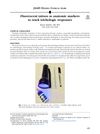
 Fluorescent tattoos are a good way to mark the scalp for hair treatments because they're accurate, invisible in normal light, and have low risk.
 17 citations
,
June 2018 in “Frontiers in Physiology”
17 citations
,
June 2018 in “Frontiers in Physiology” ADM scaffolds help skin heal by promoting a healing-type immune response.
6 citations
,
March 1990 in “The American journal of cosmetic surgery”