 December 2025 in “Italian Journal of Anatomy and Embryology”
 Understanding embryologic layers improves skin disorder diagnosis and supports developing targeted therapies.
 November 2025 in “International Journal of Clinical Obstetrics and Gynaecology”
 PCOS is likely inherited in families, increasing risk for first-degree relatives.
 October 2025 in “EMJ Dermatology”
 Histopathology is crucial for accurately diagnosing eruptive vellus hair cysts.
Certain biomarkers can help distinguish between irritant and allergic contact dermatitis.
October 2025 in “Indian Journal of Paediatric Dermatology” Trichoscopy is a helpful tool for diagnosing Netherton syndrome.
 September 2025 in “Cureus”
 Early recognition and multidisciplinary management are crucial for improving outcomes in Parry-Romberg syndrome.
July 2025 in “Preprints.org” Specific miRNA profiles can help diagnose and treat alopecia areata.
 June 2025 in “Veterinární Medicína”
 Uveodermatological syndrome in dogs is hard to manage and can lead to blindness despite treatment.
 May 2025 in “The Journal of Rheumatology”
 Trans-esophageal echocardiography is crucial for accurately diagnosing heart issues in lupus patients.
Early genetic testing and new therapies like secukinumab are crucial for managing Netherton syndrome effectively.

Advancements in diagnostics, treatments, and technology have improved hair loss detection and restoration, with some types being reversible.
April 2025 in “Pediatric Dermatology” Scalp biopsies are essential for diagnosing congenital alopecia areata.
 March 2025 in “Forum Dermatologicum”
 Trichoscopy is crucial for accurately diagnosing fibrosing alopecia in pattern distribution.
 February 2025 in “American Journal of Medical Case Reports”
 A rare skin cancer was correctly diagnosed after surgery, highlighting the need for careful examination and follow-up.
Deep learning can improve non-invasive alopecia diagnosis using hair images.
 August 2024 in “Dermatological Reviews”
 New technologies are improving the diagnosis and treatment of hair and nail disorders.
 June 2024 in “ACTA SCIENTIAE VETERINARIAE”
 qPCR is effective for quickly diagnosing fungal infections in horses.
 June 2024 in “Archives of dermatological research”
 Dietary supplements might help prevent post-COVID hair loss, but serum ferritin is not a reliable indicator.
Visible lesions are not always needed to diagnose tinea capitis.
A 9-year-old girl developed type 1 diabetes and alopecia after being treated for a rare kidney disease.
 January 2024 in “Endocrine and metabolic science”
 Different types of PCOS need specific diagnosis methods and treatments.
 January 2024 in “International Journal of Advanced Computer Science and Applications”
 Deep learning and explainable AI are improving scalp disorder diagnosis, but challenges in transparency and data quality remain.
January 2024 in “Muller Journal of Medical Sciences and Research” Trichoscopy is a useful tool for diagnosing patchy hair loss, reducing the need for biopsies.
 November 2023 in “Aktualʹnì problemi sučasnoï medicini”
 The guidelines suggest using various treatments, including antidepressants and steroids, for alopecia areata and discuss the condition's genetic and immune aspects.
 November 2023 in “JAAD case reports”
 Exogenous testosterone use may be linked to developing hidradenitis suppurativa.
 October 2023 in “CHEST Journal”
 Early recognition and treatment of severe SLE symptoms can improve outcomes.
 September 2023 in “JP Journal of Biostatistics”
 The random forest model effectively helps diagnose COVID-19 using key factors like age and symptoms.
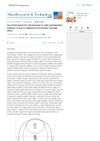 September 2023 in “Skin Research and Technology”
 The paper suggests a way to diagnose male hair loss and check treatment results using a dermoscope at four specific scalp points.
 July 2023 in “Journal of Clinical Medicine”
 The document concludes that understanding hair follicle histology and the hair cycle is crucial for diagnosing alopecia.
 July 2023 in “International Journal of Ayurvedic Medicine”
 Hair can indicate health issues and help diagnose and treat conditions in Ayurveda.