 May 2026 in “Applied Biochemistry and Biotechnology”
 Lemon-derived vesicles may help hair grow.
 May 2026 in “Endocrine Connections”
 Androgenetic alopecia in PCOS is linked to insulin resistance, inflammation, and genetics, not just hormones.
 April 2026 in “Frontiers in Physiology”
 Polygonum multiflorum root nanovesicles may help hair growth and treat hair loss.
 April 2026 in “Tissue Engineering and Regenerative Medicine”
 The GPRC6A-Duox1 axis helps control hair growth and loss by affecting hydrogen peroxide production.
April 2026 in “IntechOpen eBooks” Burn injuries can cause long-term itching, skin color changes, and cancer risks, needing personalized treatment.
March 2026 in “Stem Cell Reviews and Reports” January 2026 in “Molecules” Dihydroartemisinin could be a versatile cosmetic ingredient but needs more research and development.
October 2025 in “Biomedicines” Terminalia chebula fruit extract helps hair growth by reducing DHT and boosting hair cell activity.
September 2025 in “Pharmaceutics” Combining plant extracts with nanotechnology may improve hair loss treatments.
September 2025 in “International Journal of Molecular Sciences” Unmodified fullerene C60 promotes hair growth and may help treat hair loss.
 June 2025 in “International Journal of Molecular Sciences”
 Targeting EMT and fibrotic remodeling may help treat androgenetic alopecia.

New hair regrowth therapies show promise but need more research.
March 2025 in “Clinical Reviews in Allergy & Immunology”  January 2025 in “Journal of the Korean Society of Food Science and Nutrition”
 Combining finasteride and black soybean extract better protects hair cells from damage and may treat hair loss effectively with fewer side effects.
 November 2024 in “International Journal of Molecular Sciences”
 Nanoparticles may improve caffeine delivery for hair growth, offering a potential alternative to minoxidil for hair loss treatment.
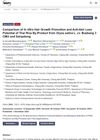 November 2024 in “Plants”
 Et-BB3-CMU rice bran extract may be a promising natural option for promoting hair growth and preventing hair loss.

Hair RiseTM microemulsion effectively promotes hair growth and treats hair loss better than standard treatments.
 September 2024 in “Stem Cell Research & Therapy”
 HA-stimulated stem cell vesicles improved hair growth in male mice with androgenetic alopecia.
 August 2024 in “Applied Sciences”
 Plant extracts may help prevent or reverse hair graying.
May 2024 in “Molecules/Molecules online/Molecules annual” Plant extracts can help prevent hair loss and promote hair growth.
 February 2024 in “International Journal of Molecular Sciences”
 Hair loss in Androgenetic Alopecia is caused by genetics, aging, and lifestyle, leading to hair follicle shrinkage and related health risks.
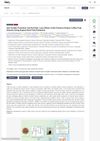
Arabica coffee pulp extract may help prevent hair loss and promote hair growth.
September 2023 in “World Rabbit Science” The FRZB gene slows hair growth in rabbits.
 September 2023 in “Medicina-lithuania”
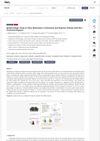
 The study suggests that analyzing DNA can help treat hair loss, but more research is needed.

New treatments for hair loss should target eight main causes and use specific plant compounds and peptides for better results.
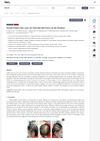
Different genes cause Female Pattern Hair Loss compared to male hair loss, and treatments vary, but more research is needed to understand it fully.
ISX9 helps regrow hair by activating a specific cell signaling pathway.
 August 2022 in “Metabolites”
 Different types of skin on mice have unique chemical profiles related to how they grow and react to stress.
January 2021 in “Springer eBooks” Combining PRP with other treatments can improve hair loss outcomes.