 May 2009 in “Hair transplant forum international”
 Androgens affect hair growth and shedding, with genetic and non-genetic factors influencing baldness.
 January 2024 in “Pediatric Dermatology”
 Minoxidil improved hair growth in a child with a rare genetic disorder.
12 citations
,
September 2022 in “Frontiers in Immunology” Soluble CD83 speeds up wound healing and reduces scarring.
27 citations
,
February 2023 in “Frontiers in Cell and Developmental Biology” WNT10B is important for body functions and linked to diseases like osteoporosis, obesity, and cancer.
 321 citations
,
December 2009 in “Journal of Dermatological Science”
321 citations
,
December 2009 in “Journal of Dermatological Science” Dermal cells are key in controlling hair growth and could potentially be used in hair loss treatments, but more research is needed to improve hair regeneration methods.
105 citations
,
October 2017 in “Stem cells” Wnt signaling is crucial for skin development and hair growth.
70 citations
,
August 2006 in “Cancer Research” AP-1 controls tumor cell type by affecting key signaling pathways.
60 citations
,
December 2020 in “Stem Cell Research & Therapy” ASC-CM is more effective than EV for treating osteoarthritis.
41 citations
,
June 2024 in “Journal of Cellular and Molecular Medicine” Natural antioxidants may help prevent hair loss by reducing oxidative stress.
 36 citations
,
January 2017 in “Stem Cells International”
36 citations
,
January 2017 in “Stem Cells International” A special stem cell fluid can speed up wound healing and hair growth in mice.
22 citations
,
June 2024 in “Cell” Understanding tissue self-organization can improve treatments for diseases and advance regenerative medicine.
13 citations
,
September 2014 in “BMC Complementary and Alternative Medicine” Tanshinone IIA helps protect skin tissue from low oxygen damage by boosting certain cell markers.
6 citations
,
October 2014 in “International Journal of Molecular Sciences” Tanshinone IIA helps protect tissue from low oxygen damage by activating certain cell pathways.
5 citations
,
April 2024 in “Biology” Improving human hair follicle models is crucial for better hair loss treatments.
5 citations
,
January 2024 in “Reproductive Medicine and Biology” Androgen and Wnt signals are crucial for developing and functioning male genitalia and erectile tissues.
 5 citations
,
November 2022 in “Journal of Ginseng Research/Journal of ginseng research”
5 citations
,
November 2022 in “Journal of Ginseng Research/Journal of ginseng research” Ginsenoside Re from Panax ginseng may prevent hair loss by maintaining autophagy and Wnt signaling in hair cells.
5 citations
,
June 2022 in “Biophysical Journal” TGF-β and TNF influence hair follicle cell fate, with TNF being more effective in triggering cell death.
 5 citations
,
April 2022 in “Frontiers in Medicine”
5 citations
,
April 2022 in “Frontiers in Medicine” Hair and skin healing involve complex cell interactions controlled by specific molecules and pathways, and hair follicle cells can help repair skin wounds.
 4 citations
,
December 2024 in “International Journal of Nanomedicine”
4 citations
,
December 2024 in “International Journal of Nanomedicine” Resveratrol-loaded nanovesicles effectively promote hair growth and treat hair loss.
 2 citations
,
January 2023 in “Pharmaceuticals”
2 citations
,
January 2023 in “Pharmaceuticals” Natural products and phytochemicals may help with hair regrowth, but more research is needed.
 2 citations
,
January 2022 in “Skin Pharmacology and Physiology”
2 citations
,
January 2022 in “Skin Pharmacology and Physiology” Dexamethasone increases the activity of androgen receptors in human skin cells, which may link it to certain types of hair loss.
2 citations
,
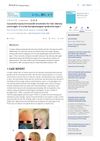
February 2021 in “Case reports in dermatological medicine” The new topical botanical formulation significantly regrew hair in all five patients without side effects.
 1 citations
,
July 2023 in “Chinese Medicine”
1 citations
,
July 2023 in “Chinese Medicine” Shi-Bi-Man, a Traditional Chinese Medicine, helps grow hair by boosting lactic acid metabolism and activating hair follicle stem cells.
 June 2026 in “International Journal of Molecular Sciences”
 Black Ginseng Concentrate may help treat hair loss by improving cell function and reducing stress.
 February 2026 in “Biomedicines”
 Nanotechnology offers promising new treatments for hair loss by improving targeted delivery and addressing key causes.
January 2026 in “Industrial Crops and Products” Ginsenoside Rf from Panax ginseng promotes hair growth and could be a natural alternative for treating hair loss.
December 2025 in “Cosmetics” New treatments for alopecia show promise in restoring hair growth by targeting immune and hormonal factors.
 December 2025 in “Antioxidants”
 Fermented Yeast Complex Extract helps regrow hair by reducing oxidative stress and inflammation.
October 2025 in “Biomedicines” Terminalia chebula fruit extract helps hair growth by reducing DHT and boosting hair cell activity.
July 2025 in “Bioactive Materials” New engineering methods show promise for regenerating hair follicles using stem cells and advanced technologies.