 January 2026 in “Frontiers in Molecular Biosciences”
 A new method helps diagnose alopecia areata using specific gene markers and could guide targeted treatments.
 September 2025 in “Advanced Pharmaceutical Bulletin”
 Genosomes are promising for safe and effective gene delivery in therapy.

Hair growth is maintained by specific cell signals.
 April 2025 in “Al-Rafidain Journal of Medical Sciences ( ISSN 2789-3219 )”
 Cuscuta reflexa extract may help treat benign prostatic hyperplasia by reducing inflammation and oxidative stress.
 June 2024 in “Research Square (Research Square)”
 Young women in West Bengal, India, with PCOS often have estrogen resistance, leptin receptor issues, folate deficiency, T2DM, and acanthosis, commonly linked to obesity.
 January 2024 in “Jurnal Ilmu Kesehatan Hewan”
 A mixed breed dog with skin issues improved significantly after treatment and needs to avoid dampness and certain bath products to prevent it from coming back.
 November 2023 in “Frontiers in veterinary science”
 The study provides insights into hair growth mechanisms in yaks.
 September 2023 in “Biology of reproduction”
 New testosterone analogs show promise for male contraception with better activity and potentially fewer side effects.
 January 2021 in “Middle East journal of applied sciences”
 Zinc is essential for plant growth and human health, but many soils lack enough zinc, affecting crops and potentially leading to health problems.

PlacMA hydrogels from human placenta are versatile and useful for cell culture and tissue engineering.
 June 2026 in “International Journal of Drug Delivery Technology”
 Palash basti improved PMOS symptoms in a 26-year-old woman.
 April 2026 in “AMEI's Current Trends in Diagnosis & Treatment”
 PCOS-related infertility is managed with lifestyle changes and medications.
 March 2026 in “Dermatology Online Journal”
 Medicaid coverage for alopecia areata treatments is inconsistent and often limited.
 February 2026 in “Nature Synthesis”
 A new method creates unique chemical structures that could improve drug discovery.
 December 2025 in “Lviv clinical bulletin”
 PRP therapy may help with ovarian issues and fertility, but more research is needed.
 December 2025 in “Frontiers in Immunology”
 Restoring nerve-macrophage communication may help treat autoimmune diseases.
 December 2025 in “International journal of research and scientific innovation”
 Women with PCOS in Nigeria have higher heart risk markers, needing early heart health checks.

New-onset fibromyalgia after COVID-19 is poorly understood, needing better definitions and studies.
 October 2025 in “Journal of Bahria University Medical and Dental College”
 Free testosterone is the most common hormone marker in PCOS, and age affects DHEAS levels.
 October 2025 in “Scientific Reports”
 White grapevine leaves, especially 'Razaki', have high phenolic content, useful for health products.
 July 2025 in “International Journal of Dermatology Venereology and Leprosy Sciences”
 Higher stress levels may worsen alopecia areata, suggesting stress management is important for treatment.
 June 2025 in “Medical academic journal”
 Modified liposomes with exosomes effectively deliver RNA to stem cells.
 June 2025 in “International Journal of Environmental Sciences”
 CLEC10A and interleukin-42 can help identify PCOS patients' response to Metformin treatment.
 May 2025 in “The Journal of Rheumatology”
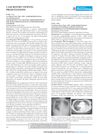
 Early diagnosis and treatment are crucial for CAPS, and Eculizumab can be effective.
 May 2025 in “The Journal of Rheumatology”
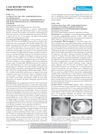
 Trans-esophageal echocardiography is crucial for accurately diagnosing heart issues in lupus patients.
 May 2025 in “The Journal of Rheumatology”
 Chronic granulomatous disease may be linked to developing systemic lupus erythematosus.
 May 2025 in “The Journal of Rheumatology”
 Anifrolumab may help improve symptoms in patients with overlapping autoimmune diseases.
 May 2025 in “The Journal of Rheumatology”
 Proactive physical therapy improved mobility, reduced fatigue, and pain in lupus patients.
 May 2025 in “The Journal of Rheumatology”
 Anti-CD19 therapy may help treat SLE and NMOSD.
 May 2025 in “The Journal of Rheumatology”
 Early recognition and management of gastrointestinal tuberculosis in lupus patients are crucial to prevent complications.