24 citations
,
January 2018 in “Indian Journal of Dermatology, Venereology and Leprology” Androgenetic alopecia is mainly caused by genetic factors and increased androgen activity, leading to hair follicle miniaturization.
24 citations
,
December 2016 in “Stem Cell Research & Therapy” P311 helps skin stem cells become myofibroblast-like cells, aiding wound healing.
7 citations
,
November 2016 in “Oncotarget” UV exposure reduces Lgr6+ stem cells in mouse skin and they don't significantly contribute to skin cancer development.
2 citations
,
December 2025 in “Annals of Medicine” Targeting senescent cells may offer new treatments for PCOS.
2 citations
,
July 2024 in “International Journal of Molecular Sciences” Csdc2 helps hair growth in cashmere goats by regulating specific genes.
1 citations
,
July 2021 in “IntechOpen eBooks” Environmental factors can cause mutations in skin proteins, leading to skin disorders.
April 2025 in “Molecular Biology Reports” DNMT1 may help treat hypospadias by improving cell function and preventing unwanted cell changes.
 June 2024 in “Computational and Structural Biotechnology Journal”
 Multi-omics techniques help understand the molecular causes of androgenetic alopecia.
November 2023 in “IntechOpen eBooks” Arsenic exposure from contaminated water severely damages the skin, causing hair loss, pigmentation changes, irritation, and can lead to skin cancer.
 October 2023 in “IntechOpen eBooks”
 Genes and epigenetic changes are important in the development of Polycystic Ovary Syndrome.
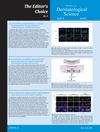 June 2018 in “Journal of Dermatological Science”
 UV radiation may cause DNA changes in skin, certain UVB therapy helps psoriasis, a new gene mutation is linked to mild piebaldism, different immune cells affect psoriasis, a drug promotes hair growth, and some cancer drugs could treat skin barrier issues.
13 citations
,
December 2017 in “Stem cells” Low-dose radiation affects hair stem cell function and survival by changing their genetic material's structure.
 32 citations
,
January 2022 in “International Journal of Molecular Sciences”
32 citations
,
January 2022 in “International Journal of Molecular Sciences” Melatonin, a hormone, can help protect skin from aging by reducing stress, inflammation, and damage, and may also help treat hair loss in women.
16 citations
,
August 2021 in “Tumor Biology” TMPRSS2 helps viruses enter cells and protects the prostate from inflammation-related cancer.
Machine learning improves DNA predictions for eye and hair color, but challenges remain for skin tone and facial features.
122 citations
,
January 2006 in “Molecular & Cellular Proteomics” Human hair contains many proteins, with some being highly abundant and modified.
 January 2025 in “Clinical and Translational Medicine”
 A specific RNA can help hair growth in baldness by boosting stem cell activity.
 6 citations
,
November 2008 in “Journal of Dermatological Science”
6 citations
,
November 2008 in “Journal of Dermatological Science” Certain proteins involved in DNA modification may affect the genetic changes in systemic lupus erythematosus and could indicate the disease's activity.
 1 citations
,
March 2023 in “bioRxiv (Cold Spring Harbor Laboratory)”
1 citations
,
March 2023 in “bioRxiv (Cold Spring Harbor Laboratory)” Skin cell types develop when specific genes are turned on by removing certain chemical tags from DNA.
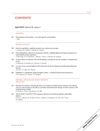 March 2016 in “Journal of the European Academy of Dermatology and Venereology”
 The April 2016 JEADV issue covered various dermatology topics, including psoriasis, psoriatic arthritis, mTOR inhibitors, autoimmune diseases, photodynamic therapy, viral DNA in skin diseases, chronic hand eczema, and female hair loss.
7 citations
,
June 2015 in “EMBO Reports” Forensic DNA phenotyping can help generate new leads in cold cases but faces accuracy, legal, and acceptance challenges.
 February 2026 in “Applied Biosciences”
 The study found potential new DNA patterns in fertility genes, but further testing is needed.
 2 citations
,
January 2019 in “Medizinische Genetik”
2 citations
,
January 2019 in “Medizinische Genetik” The document reports findings on genetic research, including ethical concerns about genome editing, improved diagnosis of mitochondrial mutations, solving inherited eye diseases, confirming gene roles in epilepsy, linking a gene to aneurysms, and identifying genes associated with age-related macular degeneration.
 1 citations
,
January 2025 in “Frontiers in Oncology”
1 citations
,
January 2025 in “Frontiers in Oncology” REV7 is crucial for genome stability and cancer treatment, making it a potential target for therapy.

Gender-specific analysis could improve treatment for childhood systemic lupus erythematosus.
 10 citations
,
January 2013 in “Clinical and developmental immunology/Clinical & developmental immunology”
10 citations
,
January 2013 in “Clinical and developmental immunology/Clinical & developmental immunology” The document concludes that systemic autoimmune diseases are complex, incurable, and require ongoing treatment and research.
 5 citations
,
May 2023 in “European Journal of Human Genetics”
5 citations
,
May 2023 in “European Journal of Human Genetics” NIPT can help detect potential maternal cancer, and GIPXplore can identify immune diseases in pregnancies.
 82 citations
,
October 2019 in “Frontiers in Immunology”
82 citations
,
October 2019 in “Frontiers in Immunology” Changes to the Foxp3 protein affect how well regulatory T cells can control the immune system, which could help treat immune diseases and cancer.
 5 citations
,
January 2005 in “Cytotherapy”
5 citations
,
January 2005 in “Cytotherapy” The meeting highlighted important advances in stem cell research and its potential for creating new medical treatments.
 March 2011 in “European Urology Supplements”
 CEC levels may be a useful marker for predicting prostate cancer progression.