 June 2017 in “Journal of The American Academy of Dermatology”
 Tapinarof cream at 1% concentration is effective and better tolerated for treating atopic dermatitis than the 2% concentration.
 15 citations
,
November 2020 in “Pharmaceutics”
15 citations
,
November 2020 in “Pharmaceutics” Tofacitinib nanoparticles can safely and effectively treat alopecia areata by targeting hair follicles.
 24 citations
,
May 1982 in “Biochemical Pharmacology”
24 citations
,
May 1982 in “Biochemical Pharmacology” These drugs cause hair growth without affecting testosterone or adrenal hormones.
43 citations
,
January 2015 in “Journal of Cutaneous Medicine and Surgery” Most patients improved with oral antibiotics, but some needed long-term treatment or had minimal response.
 23 citations
,
July 2008 in “British journal of dermatology/British journal of dermatology, Supplement”
23 citations
,
July 2008 in “British journal of dermatology/British journal of dermatology, Supplement” Topical contact sensitizers can treat certain skin conditions but are rarely used in the U.K.
 January 2018 in “Hair transplant forum international”
 Naltrexone shows promise as a safe treatment for a type of hair loss called lichen planopilaris.
January 2019 in “Egyptian Journal of Dermatology and Venereology /Egyptian Journal of Dermatology and Venerology” Mixing calcipotriol with a steroid is almost as effective as using a steroid alone for alopecia areata and has fewer side effects.
September 2024 in “Journal of the American Academy of Dermatology” February 2025 in “JDDG Journal der Deutschen Dermatologischen Gesellschaft” Deucravacitinib helped a man regrow hair and improve psoriasis.
 7 citations
,
April 2006 in “Experimental Neurology”
7 citations
,
April 2006 in “Experimental Neurology” Finasteride blocks deoxycorticosterone's anticonvulsant effects in infant rats, but indomethacin doesn't.
6 citations
,
May 2022 in “Pharmaceutics” Zinc pyrithione dissolves quickly on the skin and in hair follicles, especially in smaller particles.
May 2024 in “Journal of the Egyptian Womenʼs Dermatologic Society” Diphenylcyclopropenone is effective and safe for treating severe alopecia areata in children, with maintenance therapy reducing relapse risk.
15 citations
,
January 2019 in “Breast care” Preventive measures and effective management are crucial for reducing skin side effects in cancer treatment.
 July 2013 in “Our Dermatology Online”
 Minoxidil 2% is more effective than tacrolimus 0.1% for hair regrowth in mild to moderate patchy hair loss, and combining both might give better results.
 1 citations
,
August 2022 in “International journal of women’s dermatology”
1 citations
,
August 2022 in “International journal of women’s dermatology” Botox injections may be a safe and effective way to treat severe, itchy skin disease when other treatments fail.
 November 2025 in “Archives of Dermatological Research”
 Using a higher concentration of triamcinolone acetonide leads to faster hair regrowth in scalp patchy alopecia areata.
 12 citations
,
December 1987 in “Cancer Chemotherapy and Pharmacology”
12 citations
,
December 1987 in “Cancer Chemotherapy and Pharmacology” Vitamin E in the diet might help protect against hair loss caused by the chemotherapy drug doxorubicin in rabbits.
 October 2023 in “Jurnal Ilmu Kesehatan Hewan”
 The kitten's skin condition improved significantly after 4 weeks of treatment.
June 2023 in “Clinical Cosmetic and Investigational Dermatology” Pentoxifylline effectively improves pretibial pruritic papular dermatitis.
November 2001 in “Oncology Times” The committee decided not to approve the drug due to low effectiveness and high risks.
July 2025 in “Journal of Investigative Dermatology” May 2013 in “DOAJ (DOAJ: Directory of Open Access Journals)” The multimodal microemulsion with minoxidil, diclofenac, and tea tree oil is more effective for hair growth than minoxidil alone.
 September 2022 in “Journal of Ayub Medical College Abbottabad”
 Steroid injections are more effective than platelet rich plasma for treating patchy hair loss.
 January 2025 in “Current Drug Delivery”
 TrichoSol™ and TrichoFoam™ are stable and effective for personalized alopecia treatments.
 May 2026 in “The Scientific Issues of Ternopil Volodymyr Hnatiuk National Pedagogical University Series pedagogy”
 Detoxil effectively treats chronic skin conditions by improving liver detoxification and reducing symptoms.
 25 citations
,
July 2015 in “Colloids and Surfaces B: Biointerfaces”
25 citations
,
July 2015 in “Colloids and Surfaces B: Biointerfaces” Iontophoresis improves minoxidil delivery to hair follicles for hair loss treatment.
 13 citations
,
November 2021 in “Pediatric Dermatology”
13 citations
,
November 2021 in “Pediatric Dermatology” Tofacitinib taken by mouth helps treat hair loss in children.
 January 2026 in “GSC Biological and Pharmaceutical Sciences”
 Adapalene, Diosmin, and Azelastine could be repurposed to treat onchocerciasis.
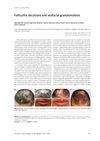 January 2018 in “Advances in Dermatology and Allergology”
 Treatment with dapsone, topical corticosteroids, and antibiotics improved the man's skin conditions.
January 2013 in “International journal of contemporary surgery” Using Cyproterone Acetate with Eflornithine together is safe and works better for treating facial hair in women.