14 citations
,
January 2020 in “Evidence-based Complementary and Alternative Medicine” A peptide from fermented Trapa japonica fruit may help reduce skin aging.
8 citations
,
March 2013 in “Cell Transplantation” Injecting young pig stem cells can make old pig skin look younger and more elastic.
5 citations
,
September 2013 in “BMB Reports” BMPR1a-ECD reduces wrinkles much more effectively than retinoic acid.
1 citations
,
April 2024 in “Journal of Drug Delivery Science and Technology” Microneedles combined with conventional therapies show promise in treating alopecia areata.
June 2025 in “Journal of Cosmetic Dermatology” Autologous micrografting shows promise in effectively treating stretch marks.
April 2024 in “International journal of molecular sciences” Dermal factors are crucial in regulating melanin production in skin.
32 citations
,
December 2015 in “PloS one” P144® improves hypertrophic scars by reducing size and thickness and increasing elasticity.
 4 citations
,
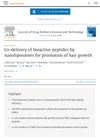
May 2022 in “Journal of Drug Delivery Science and Technology”
4 citations
,
May 2022 in “Journal of Drug Delivery Science and Technology” Nanoliposomes effectively deliver hair-growth peptides into hair follicles.

Androgenetic alopecia, or hair loss, is caused by a mix of genetics, hormones, and environment, where testosterone affects hair growth and causes hair to become smaller and grow for a shorter time.
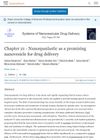 January 2022 in “Elsevier eBooks”
 Nanospanlastics are effective in targeted drug delivery for chronic diseases, improving skin conditions, treating hair loss, and increasing drug absorption.
4 citations
,
November 2022 in “Nutrients” Cow placenta extract has strong antioxidant effects and can delay skin aging in mice.
 3 citations
,
January 2020 in “Plastic and Aesthetic Research”
3 citations
,
January 2020 in “Plastic and Aesthetic Research” Non-surgical procedures can help reduce wrinkles and stimulate skin repair by understanding skin aging at the molecular level.
 2 citations
,
May 2023 in “Marine Drugs”
2 citations
,
May 2023 in “Marine Drugs” Marine-derived saccharides may help reduce aging effects on skin and hair by promoting cell growth and collagen production.
1 citations
,
November 2025 in “Molecules” Ellagic acid can help treat skin issues, but its effectiveness is limited by poor absorption, so new delivery methods are being explored.
13 citations
,
May 2021 in “FASEB bioAdvances” Plant-based products can improve hair and skin health without harmful side effects.
1 citations
,
March 2023 in “Pharmaceutics” PBMCsec can help reduce and improve thick skin scars.
122 citations
,
April 2020 in “American Journal Of Pathology” Skin aging is a complex process influenced by various factors, leading to wrinkles and sagging, and should be considered a disease due to its health impacts.
9 citations
,
May 2025 in “Stem Cell Research & Therapy” Extracellular vesicles can both worsen and help treat age-related diseases and are useful for early diagnosis.
6 citations
,
April 2023 in “Cosmetics” Exosomes could be effective for improving skin health and treating skin diseases.
3 citations
,
December 2023 in “Biomedicines” PRP therapy helps skin heal and improve by promoting cell growth and repair.
2 citations
,
August 2025 in “Pharmaceutics” PN hydrates skin; PDRN heals and regenerates skin and hair.
 2 citations
,
August 2023 in “Marine drugs”
2 citations
,
August 2023 in “Marine drugs” Collagen from tilapia scales may improve hair and skin health by reducing stress and inflammation and encouraging hair growth.
 April 2026 in “Journal of Clinical Medicine”
 GLP-1 RAs may help wound healing but can also cause faster facial aging and skin issues.
March 2026 in “Pharmaceutical Biology” Asiaticoside can improve wound healing after ESD by promoting tissue repair and reducing inflammation.
April 2024 in “Cosmetics” Microneedling improves skin and hair conditions by enhancing treatment absorption and stimulating growth factors.
Different types of sun exposure damage skin cells and immune cells, with chronic exposure leading to more severe and lasting damage.
148 citations
,
August 2022 in “Stem Cell Research & Therapy” Encapsulated stem cell exosomes in hydrogel improve wound healing.
21 citations
,
November 2023 in “International Journal of Molecular Sciences” Melatonin helps reduce aging signs in human eyelid skin.
20 citations
,
June 2014 in “Pharmaceutical research” Using both hyaluronic acid compounds together improves skin hydration and reduces wrinkles better than using one alone.
AI can personalize exercise routines to improve skin health.