 April 2023 in “Journal of Investigative Dermatology”
 Cinchona succirubra extract with caffeine improves hair growth and reduces hair loss.
 15 citations
,
June 2018 in “Journal of Chromatographic Science”
15 citations
,
June 2018 in “Journal of Chromatographic Science” Researchers developed a method to measure plant compounds in rat blood and found they are quickly absorbed and eliminated within 36 hours.
 26 citations
,
March 2018 in “Dermatology and Therapy”
26 citations
,
March 2018 in “Dermatology and Therapy” EPC-CM can reduce skin aging signs by boosting the skin's defense system.
 4 citations
,
December 2023 in “Advanced science”
4 citations
,
December 2023 in “Advanced science” New injectable hydrogels with gelatin, metal, and tea polyphenols help heal diabetic wounds faster by controlling infection, improving blood vessel growth, and managing oxidative stress.
 September 2025 in “Journal of Science Innovations and Nature of Earth”
 Anthocyanins in berries and purple veggies offer health benefits but need better processing for full use.
 January 2024 in “Journal of Pharmacognosy and Phytochemistry”
 Catharanthus roseus and Schwenckia americana extracts are generally safe but may cause kidney and liver tissue damage.
 February 2024 in “Trends in Sciences”
 Store Tectona grandis leaf extracts in slightly acidic, light-protected conditions for best stability.
 April 2023 in “Journal of Investigative Dermatology”
 Terminalia chebula fruit extract has strong anti-aging and antioxidant effects.
 March 2026 in “Molecules”
 Camellia sinensis seed flavonoids can reduce skin inflammation and damage from UV rays.
 10 citations
,
November 2015 in “Plant Foods for Human Nutrition”
10 citations
,
November 2015 in “Plant Foods for Human Nutrition” Hibiscus petals helped control blood sugar and improve liver and pancreas health in diabetic rats.
1 citations
,
June 2025 in “Biomolecules” Stauntonia hexaphylla leaves and fruits, especially leaves, may help prevent osteoporosis by boosting bone growth and reducing bone loss.
 June 2025 in “Jurnal Mandala Pharmacon Indonesia”
 Etlingera alba extract may help treat breast cancer with fewer side effects.
33 citations
,
January 2015 in “Journal of Ginseng Research” Ginsenoside Rg3 from Panax ginseng can lighten skin by reducing melanin production.
 July 1989 in “British Journal of Dermatology”
 Long-term use of canthaxanthin may cause reversible changes in the eye, including crystal deposits and altered vision responses.
6 citations
,
August 2022 in “Journal of Herbal Medicine” Mangosteen extract may help with hair growth and prevent graying.
 3 citations
,
June 2022 in “GSC Biological and Pharmaceutical Sciences”
3 citations
,
June 2022 in “GSC Biological and Pharmaceutical Sciences” Capparis decidua fruit may help break down blood clots, but more research is needed.
32 citations
,
January 2012 in “Chinese Medicine” Urtica dioica (stinging nettle) is a potential natural antioxidant for medicinal and cosmetic use.
November 2021 in “Natural product research” Certain polyphenols may help treat skin pigmentation disorders.
December 2025 in “International Journal of Molecular Sciences” Centella asiatica extract taken orally can reduce skin aging from UVB exposure.
June 2022 in “Pham Ngoc Thach Journal of Medicine and Pharmacy” Tongue fern contains important compounds like polyphenols and flavonoids, best extracted with 80% methanol at 60°C.
 January 2017 in “Bulletin of Pharmaceutical Research”
 Chemical fingerprints can distinguish Eclipta prostrata from Wedelia calendulacea to prevent confusion and adulteration.
January 2026 in “Chemistry & Biodiversity” Platycladus orientalis fruit extracts have antioxidant and enzyme-inhibiting properties, useful for health and food applications.
 27 citations
,
August 2006 in “Laboratory Investigation”
27 citations
,
August 2006 in “Laboratory Investigation” SCF and ET-1 together significantly increase skin pigmentation and melanin production.
 14 citations
,
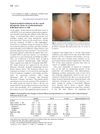
July 2012 in “Journal of the American Academy of Dermatology”
14 citations
,
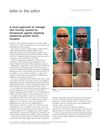
July 2012 in “Journal of the American Academy of Dermatology” Topical tacalcitol ointment can help improve symptoms of EFFC.
 4 citations
,
March 2012 in “Annals of oncology”
4 citations
,
March 2012 in “Annals of oncology” New treatment with green tea polyphenols and nicotinamide improves skin problems from cancer therapy.
54 citations
,
June 2023 in “International Journal of Molecular Sciences” Myricetin shows promise as an anticancer agent by reducing inflammation and enhancing drug effectiveness.
7 citations
,
January 2021 in “Food & Function” Chestnut flower extract may help reduce prostate cancer growth.
 2 citations
,
January 2018 in “International Journal of ChemTech Research”
2 citations
,
January 2018 in “International Journal of ChemTech Research” The two Eclipta alba varieties can be distinguished by their chemical differences.
 11 citations
,
January 2017 in “Oxidative medicine and cellular longevity”
11 citations
,
January 2017 in “Oxidative medicine and cellular longevity” Antroquinonol may help prevent skin depigmentation by suppressing certain immune cells.
2 citations
,
January 2023 in “Dermatologic Therapy” CEFFE injections effectively and safely improve postinflammatory hyperpigmentation.