1 citations
,
July 2025 in “MedComm – Biomaterials and Applications” Microneedles show promise for cancer diagnosis and treatment due to their minimally invasive nature and effective drug delivery.
 July 2026 in “Pharmaceuticals”
 Marine-derived polysaccharide nanofibers could improve wound healing but face challenges in becoming widely used.

Advances in RNA research and skin models offer hope for better skin healing without scarring.
 February 2026 in “International Journal of Molecular Sciences”
 Targeting mitochondria can improve skin healing and rejuvenation.
 February 2026 in “Preprints.org”
 New therapies and personalized approaches improve wound healing and patient quality of life.
January 2026 in “Bioengineering” Recombinant collagen is promising for biomaterials, pharmaceuticals, and skincare due to its benefits and potential improvements.
January 2026 in “International Journal of Molecular Sciences” Brimonidine is effective for reducing facial redness in skin conditions and has potential for broader dermatological uses.
October 2025 in “International Journal of Molecular Sciences” Extracellular vesicles from mammary cells help heal skin wounds effectively.
July 2025 in “Nano Research” Nanotechnology can improve tissue healing by controlling immune responses.
 February 2025 in “Advanced Composites and Hybrid Materials”
 Glutamic acid microneedle patches promote better hair growth than traditional treatments.
 February 2025 in “Stem Cell Research & Therapy”
 Maintaining healthy mitochondria may help treat hair loss.
January 2025 in “Health engineering.” Combining stem cells and organoids could improve skin regeneration treatments.
228 citations
,
June 2021 in “Frontiers in Immunology” Macrophage issues cause chronic wound inflammation, but therapies can help.
37 citations
,
June 2019 in “Stem cells” Special particles from skin cells can promote hair growth by activating a specific growth signal.
7 citations
,
August 2023 in “Frontiers in Immunology” Targeting TRP channels may help reduce excessive scarring.

Platelet-derived extracellular vesicles can boost hair growth by activating a specific signaling pathway.
 November 2023 in “International Journal of Medical Sciences”
 New regenerative medicine-based therapies for hair loss look promising but need more clinical validation.
 January 2026 in “Nano-Micro Letters”
 4D scaffolds made with melt electrowriting can change shape for use in medicine.
 April 2024 in “Journal of cancer research and clinical oncology”
 Tissue-derived extracellular vesicles are crucial for cancer diagnosis, prognosis, and treatment.
 77 citations
,
August 2025 in “Signal Transduction and Targeted Therapy”
77 citations
,
August 2025 in “Signal Transduction and Targeted Therapy” Extracellular vesicles show promise for treating diseases but face challenges in development and regulation.
 2 citations
,
June 2025 in “International Journal of Nanomedicine”
2 citations
,
June 2025 in “International Journal of Nanomedicine” New biomaterials can improve wound healing by promoting nerve and tissue regeneration.
 182 citations
,
June 2017 in “Biomaterials”
182 citations
,
June 2017 in “Biomaterials” Special fiber materials boost the healing properties of certain stem cells.
 41 citations
,
October 2024 in “Nature Communications”
41 citations
,
October 2024 in “Nature Communications” A new wearable LED device helps heal chronic infected wounds at home.
 March 2026 in “Folia Histochemica et Cytobiologica”
 LTBP1 is a key regulator in diseases and a potential target for new treatments.

Understanding hair follicle signaling can improve hair disorder treatments.
 39 citations
,
July 2021 in “Stem Cell Research & Therapy”
39 citations
,
July 2021 in “Stem Cell Research & Therapy” Using fat stem cells and blood cell-rich plasma together improves healing in diabetic wounds by affecting cell signaling.
 36 citations
,
July 2019 in “Journal of Materials Science Materials in Medicine”
36 citations
,
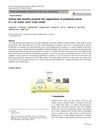
July 2019 in “Journal of Materials Science Materials in Medicine” Human hair keratin helps repair nerve damage in rats.

Hair growth is maintained by specific cell signals.
 July 2025 in “Scientific Reports”
 RG and RJ gels speed up burn wound healing better than other treatments.
Tiny particles called extracellular vesicles show potential for improving skin health in cosmetics, but more research is needed to confirm their safety and effectiveness.