 July 2025 in “Cosmoderma”
 PRP therapy has evolved over 70 years and is used for healing and cosmetic purposes, but its effectiveness varies.
6 citations
,
August 2025 in “Frontiers in Bioengineering and Biotechnology” Platelet-derived exosomes offer better regenerative therapy but face challenges in isolation and regulation.
 January 2025 in “International Research Journal of Innovations in Engineering and Technology”
 PRP shows promise in healing but needs standardization for better results.
 December 2025 in “Medical Sciences”
 Regenerative therapies show promise for hair regrowth, but more research and standardization are needed.
 July 2026 in “Frontiers in Medicine”
 Regenerative therapies like PRP and exosomes show potential in hair transplantation but need more consistent evidence and standardized protocols.

Exosome therapy is the most effective for hair growth, but it's experimental and expensive.
 December 2025 in “Journal of AI”
 The USA, China, Italy, and Türkiye lead in diverse PRP research, focusing on healing and pain management.
January 2025 in “Open Science Framework” Current evidence is insufficient to fully endorse regenerative therapies for hair loss.
 June 2025 in “International Journal of Applied Pharmaceutics”
 PRP-Exo is more effective than minoxidil for hair growth.

The plant extract helped increase hair growth in men without severe side effects.
 40 citations
,
March 2022 in “Small”
40 citations
,
March 2022 in “Small” Hydrogel with M2-derived exosomes improves wound healing by slowly releasing exosomes that help reduce inflammation and promote tissue repair.
 January 2025 in “Annals of Dermatology”
 New treatments for hair loss include low-dose oral minoxidil, light therapy, and innovative therapies targeting hair growth mechanisms.
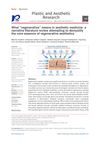 February 2026 in “Plastic and Aesthetic Research”
 Regenerative aesthetic medicine aims to restore tissue function, but needs more consistent evidence and standardized practices.
 January 2025 in “Cosmetics”
 Exosomes could help treat skin and hair issues by improving healing and reducing stress.
 November 2025 in “IECCMEXICO”
 Regenerative therapies are improving aesthetic surgery by enhancing tissue quality and healing.
 June 2026 in “International Science Journal”
 Tissue bioengineering and regenerative medicine are improving tissue restoration and recovery, with promising new therapies and personalized approaches.
 May 2026 in “Russian Journal of Skin and Venereal Diseases”
 Salmon tissue-derived exosomes improve hair growth better than platelet-rich plasma for treating hair loss.
 March 2026 in “Frontiers in Pharmacology”
 New treatments for hair loss show promise but need more testing for effectiveness and safety.
 December 2025 in “IP Indian Journal of Clinical and Experimental Dermatology”
 Androgenetic alopecia treatments are becoming more personalized and include new therapies like topical antiandrogens and regenerative strategies.

Natural adsorbents in cosmetics can significantly reduce skin and hair pollution.
 8 citations
,
October 2022 in “Regenerative Therapy”
8 citations
,
October 2022 in “Regenerative Therapy” New regenerative treatments for hair loss show promise but need more research for confirmation.
17 citations
,
November 2021 in “Journal of Cosmetic Dermatology” Combination therapies for androgenetic alopecia work best but can have significant side effects and costs.
December 2025 in “Cosmetics” New treatments for alopecia show promise in restoring hair growth by targeting immune and hormonal factors.
August 2025 in “Biomolecules” Fibroblast growth factors could be a better, safer treatment for hair loss than current options.
2 citations
,
March 2025 in “Otolaryngologic Clinics of North America” Nonsurgical facial treatments are becoming more popular due to their natural-looking results and minimal invasiveness.
 January 2026 in “Cosmetics”
 New regenerative treatments show promise in improving hair growth for androgenetic alopecia.
25 citations
,
February 2025 in “Frontiers in Bioengineering and Biotechnology” New skin repair methods show promise but need to be safer and more accessible.
2 citations
,
September 2025 in “Journal of Clinical Medicine” Regenerative medicine could revolutionize aesthetic surgery, but needs careful validation and ethical use.

Stem cell treatments show promise for improving skin and hair, but need more research and standardization.
 August 2024 in “Stem Cell Research & Therapy”
 New regenerative therapies show promise for treating hair loss.