 November 2025 in “Nanoscale Advances”
 Inorganic nanoparticle-based scaffolds can improve wound healing by fighting bacteria and helping tissue grow.
 November 2025 in “Frontiers in Nutrition”
 Better nutrition may reduce fecal incontinence in stroke patients by lowering inflammation and improving antioxidant levels.
 November 2025 in “Open Repository of the University of Porto (University of Porto)”
 Continuous use of finasteride and minoxidil is effective for treating androgenetic alopecia.
 October 2025 in “Journal of Drug Delivery and Therapeutics”
 Senna Makki is mainly effective as a laxative, but more research is needed for other uses.
 October 2025 in “Progress In Microbes & Molecular Biology”
 PCOS is linked to gut bacteria changes, suggesting gut-focused treatments might help.
 October 2025 in “SAR Journal of Medical Biochemistry”
 Moringa oleifera seeds may be a safer alternative to standard antihelminthic drugs.
 October 2025 in “Scientia Generalis”
 Balancing gut bacteria may help prevent and treat certain types of hair loss.
 October 2025 in “International Journal of Nutrology”
 Improving gut health can enhance skin health and aid in treating skin diseases.
 October 2025 in “Turkish Journal of Biochemistry”
 Technological advancements and standardization are crucial for improving diagnostic accuracy and laboratory efficiency.
 August 2025 in “Archiv Euromedica”
 Gut microbiota changes might play a role in alopecia areata, and microbiome-targeted treatments show promise.

Combining nanotechnology with herbal medicine may improve PCOS treatment.
 July 2025 in “Journal of Pharmacognosy and Phytochemistry”
 Plant-based therapies, like Aloe Vera and Cinnamon, may help manage PCOS symptoms with fewer side effects.
 June 2025 in “Basrah Researches Sciences”
 Medicinal plants might help with post-COVID-19 issues, but more research is needed.
 April 2025 in “Egyptian journal of Immunology”
 Calprotectin levels are higher in alopecia areata patients, indicating systemic inflammation.
 March 2025 in “GSC Biological and Pharmaceutical Sciences”
 Wood tar could be useful for skin care in dermatology and cosmetics.
 February 2025 in “Frontiers in Veterinary Science”
 Prussian Blue successfully treated thallium poisoning in a dog.
Tridax procumbens may boost the immune system.
 January 2025 in “RSC Pharmaceutics”
 Smart microneedles using advanced tech could improve psoriasis treatment.
 January 2025 in “Scripta Medica”
 Natural hydrolates may improve burn healing and fight antibiotic resistance.
 January 2025 in “Exploratory Animal and Medical Research”
 Lithium carbonate and lead acetate together harm the heart more than individually.
 January 2025 in “Journal of Veterinary Medical Science”
 Environmental conditions can affect toxic mineral levels and gut bacteria in working dogs.
 January 2025 in “Universidad de Córdoba Insitutional Repository (Universidad de Córdoba)”
 An imbalanced scalp microbiome may worsen alopecia areata severity and inflammation, but treatment can partially restore balance.
 November 2024 in “Research for Rural Development/Research for Rural Development (Online)”
 Rosemary essential oil is rich in terpenes and can be effectively extracted and analyzed using environmentally friendly methods, benefiting local economies.
Prostatitis is a common male condition with various causes and treatments, often involving antibiotics and lifestyle changes.
 July 2024 in “Journal of Bioscience and Bioengineering”
 Different conditions affect how easily hair bacteria can be isolated.
 July 2024 in “Science and Culture”
 Thuja orientalis L. has many health benefits and could be used in new medicines.
 June 2024 in “Journal of medical pharmaceutical and allied sciences”
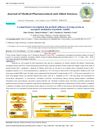
 Orange pectin boosts probiotic growth, especially L. acidophilus.
 April 2024 in “Cell death and disease”
 Long COVID causes various long-term health issues and needs better awareness and treatment.
 March 2024 in “Journal of Pharmaceutical and Sciences”
 Zaleya pentandra extracts, especially acetone, may be useful for new medicines and food industry applications.
 March 2024 in “Revista Agraria Academica”
 The Mediterranean dwarf palm has medicinal, nutritional, and craft uses, but more research is needed.