 3 citations
,
July 2021 in “Urology Herald”
3 citations
,
July 2021 in “Urology Herald” COVID-19 may affect reproductive and urinary systems, needing more research for better care.
 2 citations
,
June 2024 in “Anti-Aging Eastern Europe”
2 citations
,
June 2024 in “Anti-Aging Eastern Europe” PCOS symptoms vary by age, affecting diagnosis and treatment.
 2 citations
,
January 2017 in “Cambridge University Press eBooks”
2 citations
,
January 2017 in “Cambridge University Press eBooks” Manage PCOS in primary care with weight loss, psychological support, medication, and monitoring for health risks.
 2 citations
,
October 2008 in “The Journal for Nurse Practitioners”
2 citations
,
October 2008 in “The Journal for Nurse Practitioners” The document concludes that managing PCOS requires a comprehensive approach, including lifestyle changes and medication, to improve symptoms and reduce health risks.
 1 citations
,
August 2023 in “Frontiers in immunology”
1 citations
,
August 2023 in “Frontiers in immunology” Traditional Chinese medicinal foods may help manage long-term post-COVID symptoms.
 1 citations
,
July 2019 in “The journal of applied laboratory medicine”
1 citations
,
July 2019 in “The journal of applied laboratory medicine” Venous catheterization may help diagnose the cause of female hyperandrogenism when imaging is unclear.
 May 2026 in “Frontiers in Medicine”
 The Shumin device with doxycycline is more effective for rosacea than red light therapy.
 March 2026 in “Anti-Aging Eastern Europe”
 PCOS treatment should be personalized based on individual symptoms and health goals.

Elderly skin care needs personalized treatment, early intervention, and integrated psychiatric care.
 January 2026 in “Asian Journal of Pharmaceutical and Clinical Research”
 Umbilical cord and cord blood stem cells are promising for treating chronic diseases due to their versatility and ethical acceptability.
 January 2026 in “Archive ouverte UNIGE (University of Geneva)”
 Skin-sparing techniques in gynecomastia surgery lead to good chest results and high patient satisfaction with less scarring.
 December 2025 in “Editora Pasteur eBooks”
 A combined medical and aesthetic approach is crucial for effectively managing PCOS and its skin-related issues.
Menopause is a clear hormonal transition in women, while men experience a gradual testosterone decline, with some needing lifestyle changes and targeted therapy.
 August 2025 in “International Journal For Multidisciplinary Research”
 Adaptive coping reduces PCOS symptoms, while maladaptive coping worsens them.
 January 2025 in “Bright Sky Publications eBooks”
 Aesthetic medicine is rapidly advancing with new technologies for safer, personalized, and less invasive treatments.
 January 2025 in “Journal of Medical Biochemistry”
 Superoxide dismutases help balance cell stress and may aid cancer treatment.
 December 2024 in “African Journal of Biomedical Research”
 Combining lifestyle changes and medication is most effective for managing PCOS symptoms.
 September 2024 in “Quality in Sport”
 Diet and exercise are key to managing PCOS symptoms.
 February 2024 in “Brazilian Journal of Implantology and Health Sciences”
 PCOS often causes skin issues like excess hair, acne, and hair loss, needing early treatment.
 January 2024 in “Clinical, cosmetic and investigational dermatology”
 Dermatologists should customize cosmetic treatments for dark-skinned patients to minimize risks and complications.
 January 2023 in “National journal of physiology, pharmacy and pharmacology”
 Low-dose methotrexate is generally safe but can cause mild to severe side effects, and folic acid can reduce these risks.
 September 2022 in “Research Square (Research Square)”
 Probiotics and synbiotics may help with PCOS symptoms, but more research is needed.
 July 2019 in “Mayo Clinic proceedings”
 The man's fatigue and erectile dysfunction were improved by treating his obesity-related low testosterone without needing testosterone replacement.
PCOS is a common hormonal disorder with symptoms like irregular periods and excess hair growth, managed with lifestyle changes and medications.

The conclusion is that a more comprehensive and precise approach is needed for diagnosing PCOS to address its broader health risks.
 November 2016 in “Elsevier eBooks”
 Genetic mutations can affect female sexual development, requiring personalized medical care.
 475 citations
,
January 2016 in “International Review of Psychiatry”
475 citations
,
January 2016 in “International Review of Psychiatry” The document concludes that non-binary individuals need compassionate support and recognition in healthcare, without being pathologized.
 47 citations
,
November 2012 in “Expert Opinion on Therapeutic Patents”
47 citations
,
November 2012 in “Expert Opinion on Therapeutic Patents” The document concludes that research on sulfatase inhibitors should continue due to their potential in treating various diseases, despite some clinical trial failures.
 1 citations
,
February 2022 in “Online journal of biological sciences”
1 citations
,
February 2022 in “Online journal of biological sciences” The document does not determine if adults with aphallia are fertile.
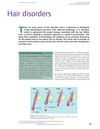 1 citations
,
December 2010 in “InnovAiT”
1 citations
,
December 2010 in “InnovAiT” The document concludes that accurate diagnosis and appropriate management are crucial for treating various hair disorders, which have significant psychological impacts.