 February 2026 in “Frontiers in Bioengineering and Biotechnology”
 Liposome-based systems improve skin wound healing effectively.
Plasma-activated water heals diabetic wounds better than other treatments.
Dissecting cellulitis of the scalp mainly affects Black males and requires early diagnosis and management.
 January 2026 in “Journal of Surgery and Research”
 For best results in vascular transplants, use donor vessels within 3 days.
 November 2025 in “Journal of Cancer Research and Clinical Oncology”
 Endoscopic-assisted surgery leads to higher patient satisfaction in breast reconstruction.
 November 2025 in “Frontiers in Oral Health”
 Accurate diagnosis and management of rare genian fistulas require combined clinical, radiologic, and histopathologic evaluations.
A man developed an eye nerve issue after hair surgery due to prolonged upright posture affecting brain fluid balance.
 October 2025 in “Clinical Cosmetic and Investigational Dermatology”
 Targeting specific cell interactions may help treat skin fibrosis.
 September 2025 in “Cureus”
 Early recognition and multidisciplinary management are crucial for improving outcomes in Parry-Romberg syndrome.
Microneedling may improve neck scars, but more research is needed.
 January 2025 in “ARC Journal of Dermatology”
 Vaping may harm skin health by causing inflammation.
 September 2024 in “Cureus”
 Removing breast implants resolved the patient's symptoms.
 August 2024 in “Indian Journal of Plastic Surgery”
  March 2024 in “Frontiers in medicine”
 PRP treatment can safely improve short-term vision in acute NAION patients.
 February 2024 in “Frontiers in physiology”
 Hair follicle stem cells help skin heal and grow during stretching.
Autonomous robotic surgery is advancing but still requires human supervision for complex procedures.
Platelet-rich plasma treatment helped heal gangrene in a young woman.
 September 2023 in “HAL (Le Centre pour la Communication Scientifique Directe)”
 Peptide nanoparticles can effectively deliver CRISPR-Cas9 to target KRAS mutations in cancer.
 December 2022 in “Otorhinolaryngology, Head and Neck Pathology.”
 Photobiomodulation therapy effectively reduces pain after septoplasty.
 December 2022 in “Otorhinolaryngology, Head and Neck Pathology.”
 Using PBMT and Respiro Mirtol forte after septoplasty reduces pain and inflammation.
Silk sericin dressing with collagen heals wounds faster and improves scar quality better than Bactigras.
Using calvarial bone for maxilla augmentation is less painful and allows for single-procedure dental implants.
 January 2019 in “Springer eBooks”
 Platelet-rich plasma therapy may have benefits and is generally safe, but more research is needed to confirm its effectiveness and safety.
 July 2018 in “Plastic and Aesthetic Nursing”
 The 2018 ISPAN Meeting emphasized hands-on learning, patient safety, and professional growth in medical aesthetics and reconstructive practices.
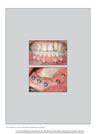 June 2017 in “International Journal of Periodontics & Restorative Dentistry”
 Using skin grafts from behind the ear for oral surgery in two patients with jaw injuries led to successful healing and good results.
January 2016 in “Dermatology Online Journal” Hormonal therapy changes skin and hair in transgender patients, who need better researched dermatologic care.
 July 2009 in “Medical & surgical dermatology”
 Low-dose acitretin helps nail psoriasis, stem cells may treat scarring alopecia, Chinese men have lower baldness rates, lateral foldplasty is good for ingrown toenails, hair diameter helps diagnose female baldness, childhood trauma linked to alopecia areata, certain hair-weaving leads to scalp conditions in African American women, and new methods for hair research and understanding hair and sweat gland development were introduced.
 October 2007 in “Journal of Investigative Dermatology”
 The meeting highlighted the genetic basis of female pattern hair loss and various skin health insights.
 September 2007 in “Dermatologic Surgery”
 3% hydrogen peroxide does not reduce hair graft survival compared to saline.
 July 2003 in “Journal of Cutaneous Medicine and Surgery”
 The document concludes that various treatments for skin conditions are effective, but some require further research, and certain factors like gender and lifestyle can influence disease outcomes.