September 2023 in “Journal of the American Academy of Dermatology” The hair care routine effectively improved scalp health and reduced fungus in children with kinky hair.
5 citations
,
July 2009 in “Clinical and experimental dermatology” 54 citations
,
November 2007 in “Actas Dermo-Sifiliográficas” Early diagnosis of frontal fibrosing alopecia is crucial to prevent permanent hair loss.

Caffeine therapy helped hair recovery after chemical and traction damage.
 2 citations
,
January 2004 in “PubMed”
2 citations
,
January 2004 in “PubMed” Conditioners with PQ-10 soften the flat part of hair cuticles but harden the edges.
 33 citations
,
August 2013 in “British Journal of Dermatology”
33 citations
,
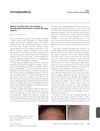
August 2013 in “British Journal of Dermatology” Lack of small, fine hair on the front hairline is a key sign of frontal fibrosing alopecia.

Curly wool has more orthocortex than straight wool.
 1 citations
,
June 2022 in “International Journal of Dermatology”
1 citations
,
June 2022 in “International Journal of Dermatology” FFA in men shows unique features and treatment results vary widely.
5 citations
,
October 2019 in “JAAD Case Reports” These hair loss conditions might be part of a spectrum, not separate issues.
 3 citations
,
February 2022 in “Cureus”
3 citations
,
February 2022 in “Cureus” Frontal fibrosing alopecia can sometimes look like syphilitic hair loss.
4 citations
,
February 2001 in “PubMed” A medication called sodium valproate likely caused a girl's hair to become kinky and dry.
March 2026 in “PubMed Central” Female pattern hair loss is common in women, treatable with medications, and can affect mental health.
Frontal Fibrosing Alopecia mainly affects postmenopausal women and is linked to thyroid disease, hyperlipidemia, and anemia.
 September 2023 in “Cutis”
 A baby girl has a hair disorder called monilethrix, causing fragile hair that may improve over time.
 July 2015 in “Journal of the Dermatology Nurses’ Association”
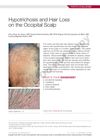
 A 66-year-old woman experienced hair loss due to Frontal Fibrosing Alopecia, a condition with no consistently effective treatment, but it usually stabilizes over time. More research is needed for better understanding and treatment options.
53 citations
,
March 2006 in “Biopolymers” TTD hair is brittle due to fewer sulfur amino acids and unstable disulfide bonds.
 December 2023 in “Data in Brief”
 Curly hair's strength and flexibility vary with moisture and temperature.
 23 citations
,
April 2021 in “Journal of Clinical Medicine”
23 citations
,
April 2021 in “Journal of Clinical Medicine” Frontal Fibrosing Alopecia's cause is unclear, affects mainly postmenopausal women, and current treatments focus on stopping hair loss rather than regrowth.
24 citations
,
December 1990 in “Pediatric Dermatology” Tight hairstyles like ponytails may cause hair casts by affecting scalp circulation and causing inflammation.
4 citations
,
January 2011 in “International Journal of Trichology” Treating scalp issues in hair-pulling disorder helps hair regrow and reduces itch.
1 citations
,
October 1993 in “PEDIATRICS” Using hot curling irons and hair gels can cause seizures in young black girls during hair grooming.
 January 2009 in “Nihon Keshouhin Gijutsushakaishi/Journal of S C C./Nihon Keshouhin Gijutsushakai kaishi”
 Curved human hair has different structures on each side, which might cause its shape and is similar to wool.
January 2022 in “Clinical Cases in Dermatology” A 47-year-old man was diagnosed with a specific type of hair loss and advised to use certain medications and avoid hair transplants.
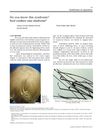
The document concludes that Loose Anagen Hair Syndrome is a benign condition where hair is thin and easily pulled out, often improving with age.
2 citations
,
August 2025 in “JAAD reviews.” Frontal fibrosing alopecia significantly affects men, often causing hair loss in eyebrows, beard, and sideburns.
2 citations
,
December 2010 in “PubMed” The new stiffness test works well for gels but not for sprays.
8 citations
,
July 2019 in “The journal of investigative dermatology/Journal of investigative dermatology” Curly hair is mechanically different from straight hair and may need new testing methods.
March 2025 in “Revista Foco” Early diagnosis of Alopecia Frontal Fibrosante is crucial for effective treatment.
4 citations
,
January 2021 in “Acta Dermato Venereologica” Titanium nanoparticles may trigger frontal fibrosing alopecia, so avoid products with them.
 5 citations
,
August 2018 in “Neurology and Therapy”
5 citations
,
August 2018 in “Neurology and Therapy” Hair thinning is a common but generally mild and reversible side effect of teriflunomide in multiple sclerosis patients.