January 2026 in “Journal of the American Academy of Dermatology” 5-alpha reductase inhibitors do not increase osteoporosis risk in women with certain hair loss conditions.
January 2026 in “Advances in Dermatology and Allergology” Stress significantly affects the quality of life in patients with lichen planopilaris and frontal fibrosing alopecia.
December 2025 in “JEADV Clinical Practice” A woman with hair loss condition experienced rare hair color return, suggesting it might help diagnose the condition.
December 2025 in “Actas Dermo-Sifiliográficas” Use a combination of oral dutasteride, topical treatments, and hydroxychloroquine to manage frontal fibrosing alopecia.
November 2025 in “Contact Dermatitis” Avoiding salicylates improved skin issues and stabilized hair loss in a woman with frontal fibrosing alopecia.
 November 2025 in “SKIN The Journal of Cutaneous Medicine”
 Baricitinib shows promise in improving frontal fibrosing alopecia symptoms.
 September 2025 in “Dermatology Online Journal”
 Biopsy is crucial for diagnosing unusual hair loss causes like lymphoma.
 September 2025 in “JAAD reviews.”
 Finasteride and dutasteride can improve hair loss in women, but more research is needed.
September 2025 in “Brazilian Journal of Health Review” Early diagnosis and less aggressive hair care improve outcomes for Black women with frontal fibrosing alopecia.
August 2025 in “Cosmetics” Cosmeceuticals like sunscreens may trigger frontal fibrosing alopecia, but more research is needed.
 July 2025 in “Plastic & Reconstructive Surgery”
 Managing expectations and using skilled techniques are key for patient satisfaction in hairline transplants.
June 2025 in “British Journal of Dermatology” Frontal fibrosing alopecia can occur in men and may be linked to immune triggers like vaccines.
June 2025 in “Journal of Ultrasound in Medicine” High-frequency ultrasound effectively evaluates and diagnoses frontal fibrosing alopecia.

Microneedling may improve quality of life and reduce inflammation in frontal fibrosing alopecia.
May 2025 in “Skin Appendage Disorders” Frontal fibrosing alopecia can be diagnosed by examining facial areas and treated with specific medications to stop its progression.
April 2025 in “International Journal of Dermatology” Renaming frontal fibrosing alopecia to a syndrome could improve diagnosis and treatment.
April 2025 in “Australasian Journal of Dermatology” Daughters with affected mothers may develop frontal fibrosing alopecia early.
 March 2025 in “Journal of Clinical Medicine”
 Frontal fibrosing alopecia in men is often misdiagnosed and needs better diagnostic criteria and treatment strategies.
February 2025 in “Actas Dermo-Sifiliográficas” Low-dose oral minoxidil can help improve hair and eyebrow growth in people with frontal fibrosing alopecia.

Frontal fibrosing alopecia in men is often misdiagnosed and needs better diagnostic criteria and treatments.
February 2025 in “Journal of the European Academy of Dermatology and Venereology” Oral dutasteride is a recommended first treatment for frontal fibrosing alopecia.
 January 2025 in “Indian Journal of Dermatology”
 Frontal fibrosing alopecia is a challenging hair loss condition with no known cause or definitive treatment.
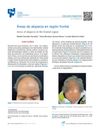 January 2025 in “Revista del Centro Dermatológico Pascua”
 Early diagnosis and treatment can help manage fibrosing alopecia in older women.
November 2024 in “Dermatology and Therapy” Dermatologists should carefully choose treatments for FFA to avoid worsening the condition.
November 2024 in “International Journal of Women’s Dermatology” Frontal fibrosing alopecia in Bogotá mainly affects postmenopausal women, with possible links to hormonal changes and sunscreen use.
November 2024 in “Actas Dermo-Sifiliográficas” Low-dose oral minoxidil can improve hair and eyebrow growth in frontal fibrosing alopecia.
October 2024 in “Benha Journal of Applied Sciences” Frontal fibrosing alopecia is a complex condition with no definitive treatment.
 October 2024 in “JEADV Clinical Practice”
 UK dermatologists commonly use corticosteroids and minoxidil to treat hair loss conditions.
 September 2024 in “Journal of the American Academy of Dermatology”
 Phenoxyethanol in hair growth products may be linked to frontal fibrosing alopecia.
 September 2024 in “Cutis”
 Sunscreen use may increase the risk of frontal fibrosing alopecia.