12 citations
,
August 2011 Prompt treatment of tinea capitis with oral antifungals leads to excellent recovery, but delayed care can cause permanent hair loss.
40 citations
,
January 2022 in “Frontiers in Chemistry” The patch speeds up deep wound healing.
 7 citations
,
May 2012 in “Actas Dermo-Sifiliográficas”
7 citations
,
May 2012 in “Actas Dermo-Sifiliográficas” Scalp fungus infections in Spain are a health concern, with changing causes and a need for better treatment and prevention.
 April 2016 in “Journal of The American Academy of Dermatology”
 Finasteride effectively treated hidradenitis suppurativa.
 16 citations
,
February 2010 in “Journal of the European Academy of Dermatology and Venereology”
16 citations
,
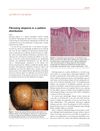
February 2010 in “Journal of the European Academy of Dermatology and Venereology” Fibrosing alopecia in a pattern distribution is a unique hair loss condition that may respond to antiandrogen therapy.
 March 2022 in “International Journal of Trichology”
 Tofacitinib may be effective for treating hair loss caused by alopecia areata that doesn't respond to other treatments.
Antimalarial agents are effective for LPP, and intralesional steroids are effective for FFA.
March 2005 in “Journal of the American Academy of Dermatology” Cosmetic treatments can replenish key amino acids in damaged hair, improving its strength and appearance.
6 citations
,
July 2004 in “JDDG Journal der Deutschen Dermatologischen Gesellschaft” Frontal fibrosing alopecia in postmenopausal women can be managed with early treatment using corticosteroids to stop hair loss.
May 2026 in “Reactions Weekly” 
Azelaic acid helps with skin pigmentation issues, but its full effects are not completely understood.
New acne treatments like clascoterone and minocycline foam are effective, and using antibiotics carefully is important to avoid resistance.
 January 2026 in “Frontiers in Medicine”
 FFA and FAPD might be related or stages of the same disease.
1 citations
,
April 2024 in “Journal of Cutaneous Pathology” Recurrent NICF is a rare skin condition with unclear causes, involving follicle inflammation and crystal deposits.
 January 2022 in “Journal of Cosmetic Dermatology”
 Using basic fibroblast growth factor with minoxidil improves hair growth and patient satisfaction more than using minoxidil alone.
 October 2025 in “Transplantation”
 Dissolving microneedles with finasteride improve drug delivery for hair loss treatment.
July 2024 in “Journal of Investigative Dermatology” PP405 may help hair growth by activating hair follicle stem cells.
 15 citations
,
February 2021 in “Scientific Reports”
15 citations
,
February 2021 in “Scientific Reports” RNA aptamers can specifically block FGF5-related cell growth, potentially treating related diseases or hair disorders.
34 citations
,
June 2020 in “British journal of dermatology/British journal of dermatology, Supplement” Frontal fibrosing alopecia is linked to increased immune system activity and reduced stem cells, suggesting early treatment targeting this pathway might prevent hair follicle damage.
 1 citations
,
March 2004 in “Journal of the American Academy of Dermatology”
1 citations
,
March 2004 in “Journal of the American Academy of Dermatology” ZD1839, a cancer drug, can cause mild skin rashes that are treatable without stopping the medication.
 May 2026 in “Indian Dermatology Online Journal”
 Leflunomide can cause skin ulcers, and stopping it can lead to healing.
Urtica dioica L. extract may help treat skin fungus but is less effective than standard treatment.
November 2019 in “British Journal of Dermatology” FOL-005 peptide may help treat excessive hair growth safely.
April 2021 in “bioRxiv (Cold Spring Harbor Laboratory)” Topical folates can penetrate skin and enhance wound healing.
3 citations
,
July 2025 in “International Immunopharmacology” January 2026 in “Biomacromolecules” A new method using nanolipogels with fucosterol can help regrow hair by targeting follicles, reducing inflammation, and improving blood flow.
 August 2018 in “Journal of The American Academy of Dermatology”
  25 citations
,
January 2005 in “Pediatric Dermatology”
25 citations
,
January 2005 in “Pediatric Dermatology” Methotrexate effectively treated a 2-year-old's generalized pustular psoriasis without side effects.
10 citations
,
May 2020 in “Dermatologic therapy” Tildrakizumab significantly improved recalcitrant lichen planopilaris and frontal fibrosing alopecia.
114 citations
,
October 2006 in “Journal of the European Academy of Dermatology and Venereology” The new clobetasol propionate foam is effective and safe for treating alopecia areata.