March 2026 in “International Journal of Dermatology” Changes in scalp microbes may contribute to hair loss, suggesting new treatment options.
 June 2025 in “Dermatopathology”
 Dupilumab and COVID-19 can worsen or trigger psoriasis.

Microbial imbalances on the scalp can help diagnose and manage hair loss early.
 March 2025 in “Clinical Cosmetic and Investigational Dermatology”
 The Tru9I variant in the VDR gene may influence alopecia areata risk and vitamin D levels.
 3 citations
,
October 2022 in “Frontiers in Surgery”
3 citations
,
October 2022 in “Frontiers in Surgery” Proteomics combined with other technologies can lead to a better understanding of skin diseases.
 April 2026 in “Asian Journal of Research in Pharmaceutical Sciences”
 Semecarpus anacardium may promote hair growth, but more research is needed for safe use in humans.
The white wax scale insect's genome shows that complete metamorphosis evolved earlier than thought and highlights differences in male and female development.
44 citations
,
September 2020 in “International Journal of Molecular Sciences” New treatments are needed for PCOS that target its genetic, hormonal, and metabolic causes.
2 citations
,
September 2025 in “Future Journal of Pharmaceutical Sciences” Lupeol shows promise for hair growth but needs better absorption and safety testing.
2 citations
,
September 2025 in “Microorganisms” COVID-19 can worsen autoimmune skin diseases and increase their occurrence.
1 citations
,
October 2025 in “Frontiers in Cardiovascular Medicine” Anabolic-androgenic steroid abuse can cause heart damage and sudden death.
1 citations
,
December 2023 in “International journal of molecular sciences” miR-199a-3p controls hair growth and is linked to alopecia areata.
May 2026 in “Clinical Reviews in Allergy & Immunology” February 2026 in “Frontiers in Immunology” Skin diseases like acne and psoriasis are linked to stress, gut health, and inflammation, with new treatments focusing on gut and mind-body approaches.
December 2025 in “Journal of Cosmetic Dermatology” Finasteride does not increase the risk of depression or suicide.
April 2025 in “Journal of Ethnopharmacology” Amygdalin in Persicae Semen may help treat hair loss by promoting hair growth and regulating key pathways.
January 2023 in “Andrologia” American men are older, more obese, and have longer infertility than Canadian men.
 September 2023 in “British Journal of Dermatology”
 Hair regrowth from severe alopecia areata treatment with baricitinib can vary, with faster results in those with shorter hair loss duration.

Exosome therapies improve skin, hair, and healing but face challenges like cost and regulation.
2 citations
,
November 2025 in “Pharmacology Research & Perspectives” Avacopan may cause unexpected side effects, so early monitoring is important.
1 citations
,
February 2016 in “Cell Transplantation” Hair follicles have a more inactive cell cycle than other skin cells, which may help develop targeted therapies for skin diseases and cancer.
1 citations
,
February 2025 in “Journal of the Neurological Sciences” Beta-trace protein may help diagnose and predict treatment response in certain nerve disorders.
March 2026 in “Journal for ImmunoTherapy of Cancer” Long-term data and a team approach are needed to manage chronic side effects from cancer treatments.
December 2025 in “Egyptian Journal of Basic and Applied Sciences” JAK1 gene variation may increase alopecia areata risk.
 November 2025 in “BMC Genomics”
 Melatonin helps control hair growth in cashmere goats, which could improve cashmere production.
 June 2024 in “International Journal of Nanomedicine”
 CRISPR/Cas9 has improved precision and control but still faces clinical challenges.
3 citations
,
November 2025 in “Biomimetics” Hydrogels show promise in preventing and treating skin damage from radiation therapy.
 January 2025 in “Clinical Cosmetic and Investigational Dermatology”
 Genetic testing is crucial for diagnosing rare hair loss disorders.
31 citations
,
August 2023 in “Cell Genomics” The Tyrolean Iceman had mostly Anatolian farmer ancestry and traits like darker skin and a risk for certain health issues.
 6 citations
,
August 2012 in “The Journal of Pediatrics”
6 citations
,
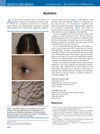
August 2012 in “The Journal of Pediatrics” A 12-year-old girl was diagnosed with monilethrix, a genetic condition causing fragile, beaded hair that breaks easily, with no effective treatment available.