January 2018 in “Murdoch Research Repository (Murdoch University)” Improved genetic diagnosis of PCOS can lead to better patient outcomes.
July 2017 in “D-Scholarship@Pitt (University of Pittsburgh)” Notch signaling stops Merkel cell development, and hair follicles help maintain them after skin injury.
 November 2016 in “Elsevier eBooks”
 Genetic mutations can affect female sexual development, requiring personalized medical care.
A new mutation in the CYP11B1 gene was found in a woman with mild hyperandrogenemia, a rare cause of non-classic congenital adrenal hyperplasia.
 January 2016 in “SpringerBriefs in bioengineering”
 Genetic defects and UV radiation cause skin damage and aging.
 May 2015 in “Journal of The American Academy of Dermatology”
 Treatment with biologic agents can significantly improve psoriasis symptoms, and blood biomarkers could potentially predict individual patient's response to treatment.
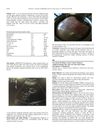 October 2014 in “Journal of Minimally Invasive Gynecology”
 Genetic testing for cancer risk can lead to early and life-saving treatments in people without symptoms.
September 2013 in “Helda (University of Helsinki)” Mutations in specific genes cause certain congenital defects in dogs, aiding in understanding similar human diseases.
 May 2012 in “Nature Genetics”
 Blond hair in Solomon Islanders is due to a unique genetic variant, not European ancestry.
Genetic mutations linked to ectodermal dysplasias and hair loss were identified in Pakistani families.
 March 2009 in “International Journal of Dermatology and Venereology”
 Androgenic alopecia, or male pattern baldness, is caused by genes.
December 2004 in “SUNScholar (Stellenbosch University)” Certain genetic markers can indicate a person's risk of developing prostate cancer.
 January 1995 in “Adolescent and pediatric gynecology”
 Mutations in the androgen receptor gene cause different levels of androgen insensitivity, making it hard to create simple tests for the condition.
 August 1994 in “Molecular Endocrinology”
 Changing protein kinase levels in pituitary cells affects calcium flow and beta-endorphin release.
February 1989 in “PubMed” A genetic hair protein variant is more common in Japanese people and is inherited.
 February 2026 in “Frontiers in Pharmacology”
 Genetics can help tailor treatments for male pattern hair loss, improving outcomes like stabilization or modest regrowth.
 February 2026 in “Clinical Cosmetic and Investigational Dermatology”
 Vitiligo is influenced by genetics and environment, and combining these factors can improve early detection and prevention.
January 2026 in “JCEM Case Reports” Genetics may play a significant role in gender dysphoria.
 December 2025 in “GeroScience”
 Genetics, epigenetics, and lifestyle all influence facial skin aging.
August 2025 in “Andrology” Abraham's family infertility may have a genetic explanation.
 May 2025 in “Frontiers in Bioengineering and Biotechnology”
 EX104 shows promise in treating hair loss by promoting hair growth and improving scalp health.
 October 2023 in “IntechOpen eBooks”
 Genes and epigenetic changes are important in the development of Polycystic Ovary Syndrome.
 January 2021 in “Medical Research Archives”
 Genetically modified rats help reveal how vitamin D affects bone and skin health.
January 2018 in “Elsevier eBooks” Progeria, a disease that causes early aging, is linked to a gene mutation and helps us understand normal aging.
 July 2017 in “Contemporary Endocrinology”
 The document concludes that patient outcomes for Congenital Adrenal Hyperplasia are often not ideal because of poor management and a need for better diagnosis and treatment methods.
December 2016 in “Asian Pacific journal of cancer biology” PCOS is a hereditary disorder that can lead to diabetes and heart disease if not treated early.
 August 2014 in “Springer eBooks”
 Certain gene mutations can weaken the skin barrier and, when combined with environmental factors, lead to eczema and severe itching.
 January 2014 in “Pathology”
 RET mutation is important in familial medullary thyroid carcinoma, and BRAF mutation in papillary thyroid carcinoma is linked to more aggressive cancer and higher death rates.
 April 2012 in “Encyclopedia of Life Sciences”
 Different genes are linked to various types of hair loss.
 January 2003 in “Springer eBooks”
 Certain genes are linked to type 1 and type 2 diabetes in kids, and changes in these genes can also cause other diabetes-related conditions.