 47 citations
,
September 2023 in “Pharmacological Reports”
47 citations
,
September 2023 in “Pharmacological Reports” Vitamins A, B3, C, D, and E can improve skin health and immunity.
 14 citations
,
January 2020 in “International Journal of Biological Sciences”
14 citations
,
January 2020 in “International Journal of Biological Sciences” Ranitidine and finasteride lower TMAO levels, reducing heart and kidney damage by changing gut bacteria.
 January 2026 in “Annals of Clinical Endocrinology and Metabolism”
 Restoring NAD⁺ may help with aging and chronic diseases, but more research is needed.
37 citations
,
February 2023 in “Gut Microbes” Gut bacteria can lower androgen levels in male mice.
 15 citations
,
April 2020 in “Intestinal Research”
15 citations
,
April 2020 in “Intestinal Research” FMT for ulcerative colitis may also help with weight loss, hair loss, arthritis, and allergies.

Rosacea may be linked to gut and brain issues, not just a skin problem.
April 2019 in “The journal of investigative dermatology/Journal of investigative dermatology” A compromised gut may trigger the autoimmune hair loss condition Alopecia Areata.
 1 citations
,
December 2022 in “Parasitologists United Journal”
1 citations
,
December 2022 in “Parasitologists United Journal” House fly larvae substances improve wound healing and skin regeneration, especially in immunosuppressed mice.
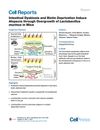 82 citations
,
August 2017 in “Cell Reports”
82 citations
,
August 2017 in “Cell Reports” An imbalanced gut and lack of biotin can cause hair loss in mice.
 18 citations
,
August 2019 in “Nutrients”
18 citations
,
August 2019 in “Nutrients” Eating barley for life may lead to healthier aging in mice.
8 citations
,
July 2025 in “Gels” Functionalized hydrogels can help heal tissues and fight infections by delivering beneficial bacteria and antimicrobials.
8 citations
,
November 2024 in “Journal of Neuroendocrinology” Gut bacteria affect steroid levels, influencing health conditions and potential treatments.
 5 citations
,
January 2024 in “American Journal of Translational Research”
5 citations
,
January 2024 in “American Journal of Translational Research” Gut bacteria affect female reproductive health and may help diagnose and treat related diseases.
3 citations
,
March 2024 in “Frontiers in Cell and Developmental Biology” Prenatal and postnatal environments both affect PCOS development and gut microbiota in mice.
 3 citations
,
April 2022 in “Microorganisms”
3 citations
,
April 2022 in “Microorganisms” People with severe hair loss (Alopecia Areata) have different scalp bacteria than healthy people, which might help predict the condition's progress.
 April 2026 in “Preprints.org”
 Bioavailable quercetin may help improve aging signs by positively affecting gut health.
 February 2026 in “Probiotics and Antimicrobial Proteins”
 Modifying gut bacteria with pro- and postbiotics may help treat hair loss.
 June 2022 in “COJ Biomedical Science & Research”
 PCOS management includes lifestyle changes and medications to improve fertility.
4 citations
,
July 2024 in “Skin Research and Technology” Certain bacteria may influence alopecia areata risk, but skin bacteria don't mediate gut-skin effects.
September 2025 in “Medicine & Science in Sports & Exercise” Gender-affirming hormone therapy and surgery affect gut bacteria differently.
365 citations
,
November 2018 in “Journal of Allergy and Clinical Immunology” People with atopic dermatitis have different skin bacteria, and targeting these bacteria might help treat the condition.
194 citations
,
October 2018 in “Microbiome” Acne is linked to complex skin microbe interactions, and new findings suggest microbiome-based treatments could be effective.
114 citations
,
February 2023 in “International Journal of Molecular Sciences” The skin microbiome is crucial for skin health, and more research is needed to explore its role and potential treatments.
18 citations
,
September 2023 in “Experimental Dermatology” The skin microbiome plays a key role in treating atopic dermatitis.
 12 citations
,
May 2017 in “Pharmacology & therapeutics”
12 citations
,
May 2017 in “Pharmacology & therapeutics” Targeting immune tolerance issues in Alopecia Areata could restore hair growth and maintain remission.
11 citations
,
October 2024 in “International Journal of Molecular Sciences” Psoriasis patients have different skin bacteria, which may cause flare-ups.
3 citations
,
June 2025 in “Biomedicines” Gut bacteria may influence hair loss in alopecia areata.
 3 citations
,
September 2024 in “Journal of Pre-Clinical and Clinical Research”
3 citations
,
September 2024 in “Journal of Pre-Clinical and Clinical Research” Women with PCOS often experience mental health issues like depression and anxiety.
3 citations
,
January 2024 in “Allergy Asthma and Immunology Research” Understanding the skin's bacteria and chemicals may help manage scalp issues in atopic dermatitis.
1 citations
,
October 2025 in “EBioMedicine” Women have a higher DHT/testosterone ratio than men, possibly due to gut bacteria activity.