 4 citations
,
April 2001 in “European journal of cancer”
4 citations
,
April 2001 in “European journal of cancer” Scalp cooling prevented hair loss in half of the patients, despite significant side effects.
3 citations
,
February 2023 in “Journal of Infection and Public Health” More symptoms during initial COVID infection increase the risk of long-term effects.
 3 citations
,
November 2020 in “Ciencia Tecnología y Salud”
3 citations
,
November 2020 in “Ciencia Tecnología y Salud” COVID-19 symptoms range from mild to severe, with older adults at higher risk.
 2 citations
,
January 2020 in “Yonsei Medical Journal”
2 citations
,
January 2020 in “Yonsei Medical Journal” Dutasteride for hair loss might increase the risk of a rare stroke type.
2 citations
,
January 2019 in “Asian journal of pharmaceutical and clinical research” Amla is a natural remedy with many health benefits, including antiviral and antibacterial properties.
 2 citations
,
January 2018 in “Journal of clinical & experimental dermatology research”
2 citations
,
January 2018 in “Journal of clinical & experimental dermatology research” Both fat-derived stem cells and platelet-rich plasma are effective and safe for hair loss, but stem cells give better results with more side effects.
 1 citations
,
March 2024 in “BioDrugs”
1 citations
,
March 2024 in “BioDrugs” Biologics for severe asthma have known side effects, but some new risks need more study.
1 citations
,
September 2023 in “Journal of the American Academy of Dermatology” Continued ritlecitinib treatment can lead to hair regrowth in some patients with alopecia areata who initially don't respond.
1 citations
,
January 2023 in “OALib” Fatigue, loss of taste and smell, and cough are common long-term symptoms after COVID-19.
 1 citations
,
August 2022 in “Journal of Dermatology and Dermatologic Surgery”
1 citations
,
August 2022 in “Journal of Dermatology and Dermatologic Surgery” A patient developed nerve problems as a side effect of a hair loss treatment called tofacitinib.
February 2026 in “Expert Opinion on Pharmacotherapy” Low-dose oral and topical minoxidil are recommended for managing hair loss in transplant patients, with specific dosing and timing guidelines.
 January 2026 in “International Journal of Dermatology Venereology and Leprosy Sciences”
 Intradermal dutasteride effectively and safely improves hair growth in early-stage androgenetic alopecia.
 December 2025 in “Репродуктивное здоровье Восточная Европа”
 Magnesium and iron deficiencies may cause menstrual cycle disorders.
December 2025 in “Actas Dermo-Sifiliográficas” Bicalutamide may improve hair growth in postmenopausal women with mild side effects.
November 2025 in “Cureus” COVID-19 vaccines caused mostly mild side effects in Bangladeshi medical students, with fewer issues after more doses.
November 2025 in “SKIN The Journal of Cutaneous Medicine” Ritlecitinib is generally safe for adolescents with alopecia areata over 5 years.
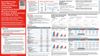 November 2025 in “SKIN The Journal of Cutaneous Medicine”
 Baricitinib works better in adolescents than adults for treating severe alopecia areata.
 October 2025 in “Česká gynekologie”
 Hyperprolactinemia is the most common cause of secondary amenorrhea, followed by drug use.
 September 2025 in “The Professional Medical Journal”
 Oral minoxidil is safe and effective for increasing hair thickness in men with hair loss.
 July 2025 in “SKIN The Journal of Cutaneous Medicine”
 Ritlecitinib is generally safe for alopecia areata patients over 72 months.
 July 2025 in “Journal of Investigative Dermatology”
 AMP-303 safely increases hair growth in men with hair loss.
June 2025 in “British Journal of Dermatology” JAK inhibitors help regrow hair in alopecia areata, but their long-term safety is still unclear.
The combination of minoxidil, microneedling, and PRP is more effective for hair growth than minoxidil alone.
June 2025 in “Revista Foco” JAK inhibitors effectively treat severe alopecia areata with manageable side effects.
 January 2025 in “Repository of the Academy's Library (Library of the Hungarian Academy of Sciences)”
 Baricitinib is effective and safe for treating severe alopecia areata.

JAK inhibitors effectively regrow hair in children with alopecia areata and are safe to use.
 April 2024 in “Expert opinion on investigational drugs”
 JAK inhibitors are safe and effective for treating moderate-to-severe alopecia areata.
 February 2024 in “Journal of the European Academy of Dermatology and Venereology”
 Baricitinib is effective and safe for long-term use in severe alopecia areata, improving hair regrowth and quality of life with few side effects.
 December 2023 in “Journal of Ayub Medical College Abbottabad”
 Ritlecitinib effectively treats alopecia areata in patients 12 and older with fewer side effects.
 October 2023 in “CHEST Journal”
 Early recognition and treatment of severe SLE symptoms can improve outcomes.