1 citations
,
April 2023 in “Animals” Wnt and BMP pathways stimulate hair growth in Min pigs, with Wnt being more effective.
June 2026 in “Morphology” Macrophages play a crucial role in skin wound healing, with their numbers and sizes changing over time.
January 2026 in “Burns & Trauma” RNA modifications help heal wounds and could lead to new treatments.
December 2025 in “Current Issues in Molecular Biology” Cytarabine can cause multiple organ toxicities, especially neurotoxicity, but better research methods are needed to fully understand and predict these effects.
 11 citations
,
December 2018 in “Bone”
11 citations
,
December 2018 in “Bone” Removing a methyl group from the ITGAV gene speeds up bone formation in a specific type of bone disease model.
 3 citations
,
May 2013 in “Pediatric Dermatology”
3 citations
,
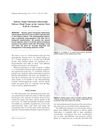
May 2013 in “Pediatric Dermatology” A newborn girl had a rare case of salivary gland tissue on her chest, which was safely removed.
29 citations
,
January 2020 in “Frontiers in endocrinology” Fibrodysplasia ossificans progressiva is a rare genetic disorder that causes extra bone growth and symptoms of premature aging.
2 citations
,
June 2019 in “The Journal of Dermatology” Two cases showed skin abnormalities without bone or neural defects.
March 2023 in “MDPI eBooks”  June 2025 in “Rapid Communications in Mass Spectrometry”
 The new method improves protein extraction and analysis in hair, aiding biomedical and forensic work.
 January 2002 in “Journal of Toxicology-cutaneous and Ocular Toxicology”
 Botanical extracts are increasingly important in cosmetics and drugs for their effectiveness and safety, backed by traditional use and scientific evidence.

Deep eutectic solvents can replace toxic solvents in extracting useful compounds for medicines.
January 2020 in “Archives of Pharmacy Practice” Hibiscus leaf extract may help hair grow better than flower extract.
 December 2023 in “ACS Sustainable Chemistry & Engineering”
 Keratin can be successfully taken from human hair using a mix of choline chloride and ethanolamine.
18 citations
,
April 2018 in “Biotechniques/BioTechniques” A new method was developed to extract and analyze proteins from very short human hairs.
 19 citations
,
August 2014 in “Journal of Ethnopharmacology”
19 citations
,
August 2014 in “Journal of Ethnopharmacology” The study created a test that found hormonal and toxic effects in plant and fungal extracts using prostate cancer cells.
November 2025 in “Molecules” Microextraction techniques improve hormone testing while being environmentally friendly.
June 2021 in “International Journal of Biosciences (IJB)” Tridax procumbens flower extracts can kill bacteria.
2 citations
,
August 2017 in “Experimental Dermatology” A human serum-enriched medium effectively supports melanocyte growth and activity without using animal-derived supplements.
1 citations
,
September 2025 in “Molecules” The conventional extraction method with 50% ethanol was the most effective for antioxidant activity.
September 2025 in “OPAL (Open@LaTrobe) (La Trobe University)” Researchers created an efficient method to extract DNA from marmoset hair, avoiding blood chimerism.
2 citations
,
January 2024 in “Pharmaceuticals” Deep eutectic solvents are eco-friendly and effective for extracting useful pharmaceutical compounds.
May 2024 in “NATIONS UNIVERSITY INTERNATIONAL JOURNAL OF MULTI-DISCIPLINARY STUDIES” Polyethylene glycol improves the extraction of beneficial compounds from horsetail.
1 citations
,
February 2025 in “International Journal of Molecular Sciences” Enzymatic digestion is an efficient method for isolating cells from hair follicles for tissue-engineered skin.
 December 2024 in “Animals”
 Tithonia diversifolia extract improved digestion but didn't enhance lamb growth.
January 2024 in “Pharmacokinetics and Pharmacodynamics” Human placenta extracts may help treat various diseases.
September 2025 in “OPAL (Open@LaTrobe) (La Trobe University)” Researchers created an efficient method to extract DNA from marmoset hair, reducing blood chimerism.
2 citations
,
June 2024 in “Heliyon” The rare cliff plant Oresitrophe rupifraga has diverse metabolites, with leaves rich in phenolic acids and rhizomes and bulblets high in terpenoids, aiding its growth and potential use.