5 citations
,
March 2011 in “Journal of proteomics” Histone H4, released by cells exposed to colchicine, can cause hair loss by inhibiting cell growth and enzyme activity.
 5 citations
,
September 2021 in “Frontiers in Cell and Developmental Biology”
5 citations
,
September 2021 in “Frontiers in Cell and Developmental Biology” Dihydrotestosterone treatment on 2D and 3D-cultured skin cells slows down hair growth by affecting certain genes and could be a potential target for hair loss treatment.
December 2024 in “Tissue and Cell” A new method helps detect androgen receptor movement in cells, aiding research on hair loss treatments.
12 citations
,
June 2022 in “International Journal of Molecular Sciences” Copper boosts cell growth in rabbit hair follicles.
6 citations
,
August 2015 in “Acta histochemica” Lysozyme might help mouse hair grow.
3 citations
,
December 2024 in “Journal of Animal Physiology and Animal Nutrition” FGF20 is essential for hair follicle stem cell growth and development in fine-wool sheep.
2 citations
,
November 2021 in “Cell Biology International” miR-122 causes hair loss by killing hair cells.
February 2026 in “Molecular and Cellular Probes” Stem cell and plant exosomes may help heal and regenerate skin.
October 2025 in “Biomedicines” Terminalia chebula fruit extract helps hair growth by reducing DHT and boosting hair cell activity.
July 2025 in “Biochimica et Biophysica Acta (BBA) - Molecular Cell Research” MicroRNA-22-3p hinders hair regrowth in male pattern baldness by affecting a specific protein.
 May 2025 in “Frontiers in Bioengineering and Biotechnology”
 EX104 shows promise in treating hair loss by promoting hair growth and improving scalp health.
DNA methylation affects BMP7 gene expression, influencing cell growth in Hu sheep.
 February 2023 in “Scientific Reports”
 Cold Atmospheric Microwave Plasma (CAMP) helps hair cells grow and could potentially treat hair loss.
 May 2026 in “Theranostics”
 Targeting DKK3–CKAP4 can help reverse hair loss in androgenetic alopecia.
 February 2026 in “International Journal of Molecular Sciences”
 PDLLA filler can improve hair thickness and shine by reducing age-related hair decline.
January 2026 in “Biochemical Pharmacology” MitoQ helps protect hair cells from damage in hair loss by boosting a protective enzyme.
November 2025 in “Advanced Science” The treatment using a special hydrogel shows promise for promoting hair growth.
July 2025 in “Burns & Trauma” 3D cell spheroids can help reduce scars by delivering therapeutic vesicles.
July 2025 in “Frontiers in Pharmacology” G-1 promotes hair growth in female mice by activating specific signaling pathways.
 April 2026 in “Journal of Dermatological Science”
 Hair organoids are effective for testing hair loss treatments.
 July 2019 in “Journal of Investigative Dermatology”
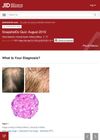
 The research found that male pattern hair loss is mostly genetic and involves hair thinning due to hormonal effects and changes in gene expression.
 26 citations
,
July 2021 in “Frontiers in Cell and Developmental Biology”
26 citations
,
July 2021 in “Frontiers in Cell and Developmental Biology” The review suggests that a special cell-derived treatment shows promise for various skin conditions and hair growth but needs more research for confirmation.
 14 citations
,
March 2022 in “Journal of Biomedical Science”
14 citations
,
March 2022 in “Journal of Biomedical Science” Cyanidin 3-O-arabinoside may help treat a common form of hair loss by protecting cells against aging and improving cell function.
9 citations
,
July 2020 in “Cell Proliferation” Epiregulin can help hair grow and may be useful for treating hair loss.
5 citations
,
April 2022 in “Genes” miR-129-5p affects hair growth by targeting the HOXC13 gene.
 2 citations
,
January 2023 in “International Journal of Biological Sciences”
2 citations
,
January 2023 in “International Journal of Biological Sciences” A specific pathway involving AR, miR-221, and IGF-1 plays a key role in causing common hair loss.
1 citations
,
November 2024 in “EMBO Reports” Deleting Gpr54 speeds up hair growth and regeneration.
 December 2025 in “Antioxidants”
 Fermented Yeast Complex Extract helps regrow hair by reducing oxidative stress and inflammation.
November 2025 in “Pharmacological Research” Plant-derived nanoparticles from Polygoni Multiflori Radix promote hair growth better than Minoxidil by affecting androgen pathways.
Periplaneta americana extract promotes hair growth and is safe for treating hair loss.