 March 2026 in “Journal of Nanobiotechnology”
 A new microneedle treatment can effectively repigment skin in vitiligo.
466 citations
,
June 2009 in “Experimental dermatology” We now understand more about what causes acne and this could lead to better, more personalized treatments.
450 citations
,
January 2005 in “The journal of investigative dermatology/Journal of investigative dermatology” Hair color is determined by melanin produced and transferred in hair follicles.
375 citations
,
June 2013 in “Biochimica et biophysica acta. Molecular cell research” Cornification is how skin cells die to form the protective outer layer of skin, hair, and nails.
 231 citations
,
October 1999 in “Journal of Clinical Investigation”
231 citations
,
October 1999 in “Journal of Clinical Investigation” Activating the Sonic hedgehog gene in mice can start the hair growth phase.
122 citations
,
January 2006 in “Molecular & Cellular Proteomics” Human hair contains many proteins, with some being highly abundant and modified.
115 citations
,
August 2004 in “The journal of investigative dermatology/Journal of investigative dermatology” Modulating Cytochrome P450 activity could help develop new skin disease treatments.
57 citations
,
January 2020 in “International Journal of Molecular Sciences” PADs are crucial for healthy skin and hair, and their imbalance can cause skin and hair disorders.
 48 citations
,
January 2015 in “Indian Journal of Dermatology, Venereology and Leprology”
48 citations
,
January 2015 in “Indian Journal of Dermatology, Venereology and Leprology” Vitamin D is important for skin health and can help treat psoriasis, atopic dermatitis, and vitiligo.
30 citations
,
August 2008 in “The journal of investigative dermatology/Journal of investigative dermatology” TGase 3 helps build hair structure by forming strong bonds between proteins.
17 citations
,
October 2023 in “Molecules” Plant-derived PDRN from ginseng roots effectively heals skin and improves its barrier.
10 citations
,
May 2024 in “BioEssays” TRPV3 is important for skin health and could be a target for treating skin diseases.
8 citations
,
February 2025 in “Molecules” A bioink with 15% gelatin and 150 mM calcium chloride works best for 3D printing skin models.
4 citations
,
December 2020 in “Tissue Barriers” Loricrin affects skin immune function and homeostasis.
 3 citations
,
October 2022 in “Frontiers in Surgery”
3 citations
,
October 2022 in “Frontiers in Surgery” Proteomics combined with other technologies can lead to a better understanding of skin diseases.
3 citations
,
September 2021 in “BioEssays” Dandruff might be caused by changes in how hair follicles naturally release oils and an immune response to this imbalance.
3 citations
,
January 2021 in “FEBS open bio” Camellia japonica extract may improve scalp health and promote hair growth.
2 citations
,
November 2024 in “ACS Omega” Snail secretion-loaded dressings can improve skin regeneration and wound healing.
March 2024 in “International journal of molecular sciences” Three specific genetic variants cause severe skin issues in children with EBS, highlighting the need for early genetic screening.
 November 2023 in “BMC genomics”
 The study concluded that the arachidonic acid pathway and the protein KRT79 play a role in determining the fineness of cashmere.
April 2024 in “International journal of molecular sciences” Dermal factors are crucial in regulating melanin production in skin.
GPC1 is important for blood vessel growth in hair follicles and could help treat hair loss.
GPC1 is important for hair growth by helping blood vessels form around hair follicles.
GPC1 is important for blood vessel growth in hair follicles and could help treat hair loss.
Glypican-1 is important for hair follicle blood vessel growth and could be a target for treating hair loss.
1 citations
,
June 2018 in “Ukrainian Journal of Dermatology Venerology Cosmetology” Oral collagen improves skin, nails, hair, and reduces cellulite.
 9 citations
,
June 1947 in “Analytical Chemistry”
9 citations
,
June 1947 in “Analytical Chemistry” Cold waving solutions quickly reduce cystine to cysteine in hair.
 April 2018 in “Journal of Investigative Dermatology”
 The conclusion introduces a new way to classify skin cysts using their shape and genetic markers.
 5 citations
,
March 2019 in “Journal of lipid research”
5 citations
,
March 2019 in “Journal of lipid research” New probes were created to effectively measure specific enzymes involved in fat metabolism, which could help develop new drugs.
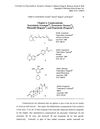
Isotretinoin and tazarotene help treat acne, while minoxidil and finasteride promote hair growth.