9 citations
,
June 2022 in “Microorganisms” We need safe, affordable drugs to fight coronaviruses effectively.
 February 2024 in “Research Square (Research Square)”
 Proteins from Tianshan red deer abomasum have strong anti-inflammatory, anti-tumor, and antioxidant effects.
 2 citations
,
January 2009 in “Journal of Drug Delivery Science and Technology”
2 citations
,
January 2009 in “Journal of Drug Delivery Science and Technology” Minoxidil in distearyldimethylammonium chloride vesicles significantly promotes hair growth, while minoxidil in microparticles or poloxamer solutions doesn't.
25 citations
,
July 2022 in “Pharmaceutics” Spanlastic nanovesicles can improve efinaconazole delivery through nails.
3 citations
,
May 2024 in “Biomimetics” Bioactive biopolymers can improve diabetic wound healing by enhancing tissue regeneration.

Human hair keratins can be turned into useful 3D biomedical scaffolds through a freeze-thaw process.
 13 citations
,
November 2022 in “Chemical Science”
13 citations
,
November 2022 in “Chemical Science” Inorganic-based biomaterials can quickly stop bleeding and help wounds heal, but they may cause issues like sharp ion release and pH changes.
115 citations
,
November 2008 in “Proceedings of the National Academy of Sciences” Reptiles have genes similar to hair proteins, suggesting hair's genetic origins predate mammals.
 12 citations
,
January 2009 in “Journal of Oleo Science”
12 citations
,
January 2009 in “Journal of Oleo Science” Sterol surfactants can effectively dissolve UV ray absorbers.
23 citations
,
January 2023 in “Journal of Developmental Biology” Reptile skin protects and prevents water loss, helping them adapt to land.
17 citations
,
October 2023 in “Science Progress” Polycaprolactone and barium titanate composites show promise for use in biomedical applications.
 8 citations
,
May 2023 in “Gels”
8 citations
,
May 2023 in “Gels” Chitosan hydrogels are promising for repairing blood vessels but need improvements in strength and compatibility.

Polydopamine is promising for personalized medicine and biomedical technology due to its strong adhesion and biocompatibility.
October 2025 in “International Journal of Molecular Sciences” Extracellular vesicles from mammary cells help heal skin wounds effectively.
 4 citations
,
December 2013 in “British Journal of Dermatology”
4 citations
,
December 2013 in “British Journal of Dermatology” ESR2 gene linked to female-pattern hair loss.
 23 citations
,
December 2013 in “British Journal of Dermatology”
23 citations
,
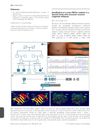
December 2013 in “British Journal of Dermatology” A new gene mutation linked to a skin condition was found in a Spanish family.
 100 citations
,
March 2006 in “Journal of biological chemistry/The Journal of biological chemistry”
100 citations
,
March 2006 in “Journal of biological chemistry/The Journal of biological chemistry” Cystatin M/E strongly inhibits cathepsin V and cathepsin L, important for skin formation.
 94 citations
,
January 2007 in “Cutaneous and Ocular Toxicology”
94 citations
,
January 2007 in “Cutaneous and Ocular Toxicology” Iranian veterans exposed to sulfur mustard suffer from long-term skin itching and eye damage, with some risk of skin cancer and ongoing management challenges.
 January 2026 in “Nano-Micro Letters”
 4D scaffolds made with melt electrowriting can change shape for use in medicine.
 119 citations
,
March 2020 in “Frontiers in Bioengineering and Biotechnology”
119 citations
,
March 2020 in “Frontiers in Bioengineering and Biotechnology” Asia has made significant progress in tissue engineering and regenerative medicine, but wider clinical use requires more development.
 19 citations
,
July 2018 in “ACS biomaterials science & engineering”
19 citations
,
July 2018 in “ACS biomaterials science & engineering” Bleaching and combing damage hair's surface and mechanical properties.
 January 2015 in “D-Scholarship@Pitt (University of Pittsburgh)”
 Diabetic patients' stem cells make vascular grafts more prone to clots, but new methods may improve grafts.

The research found that nanoparticles coated with chitosan improved the skin penetration of the drug finasteride.
April 2011 in “HAL (Le Centre pour la Communication Scientifique Directe)” Chitosan-decorated nanoparticles improve skin delivery of finasteride, with PS404-b-PAA63 being most effective.
March 2026 in “ACS Omega” The hydrogel significantly speeds up wound healing and improves skin recovery.
18 citations
,
December 2002 in “European Journal of Biochemistry” MsPG3 protein gathers at root hair tips, aiding growth.
34 citations
,
July 2022 in “Gels” Alginate-based composites can be improved to effectively replace donor corneas for regeneration.
13 citations
,
August 2023 in “Developmental Cell” Mechanosensory neurons adapt to different skin types after birth.
 1 citations
,
August 2023 in “Gels”
1 citations
,
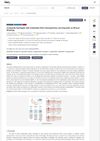
August 2023 in “Gels” The hydrogel with silver and ibuprofen promotes wound healing and fights infection.
 March 2010 in “International Journal of Cosmetic Science”
 Disulfide bonds affect the melting behavior of hair's crystalline structure, but hair retains some stability even after these bonds are broken.