 April 2024 in “Acta scientific dental sciences”
 Improving oral hygiene and quitting smoking can resolve black hairy tongue.
 1 citations
,
September 2015 in “Elsevier eBooks”
1 citations
,
September 2015 in “Elsevier eBooks” SOX2 is crucial for skin cell function and hair growth, and it plays a role in skin cancer and wound healing.
 2 citations
,
January 2019 in “Springer eBooks”
2 citations
,
January 2019 in “Springer eBooks” The conclusion is that different blood diseases cause specific oral symptoms and require varied treatments to manage these symptoms and improve patient health.
 1 citations
,
November 2014
1 citations
,
November 2014 The document explains hair and nail biology, common hair loss conditions and treatments, oral and genital skin diseases, and the risks and treatments associated with squamous cell carcinoma.
 556 citations
,
September 2008 in “Genes & Development”
556 citations
,
September 2008 in “Genes & Development” Wnt signaling is vital for cell growth, development, and cancer research.
 50 citations
,
November 2010 in “Otolaryngologic Clinics of North America”
50 citations
,
November 2010 in “Otolaryngologic Clinics of North America” Recognizing oral symptoms can help diagnose and treat blood and nutritional diseases early.
 28 citations
,
August 2001 in “Journal of cutaneous medicine and surgery”
28 citations
,
August 2001 in “Journal of cutaneous medicine and surgery” People with Down's syndrome often have more skin problems due to a weak immune system.
 2 citations
,
January 2014 in “Springer eBooks”
2 citations
,
January 2014 in “Springer eBooks” The book details skin conditions in older adults, their link to mental health, cancer treatment importance, hair loss remedies, and managing autoimmune and itchy skin.
 November 2019 in “Harper's Textbook of Pediatric Dermatology”
 The document is a detailed medical reference on skin and genetic disorders.
 9 citations
,
September 2015 in “Medical Clinics of North America”
9 citations
,
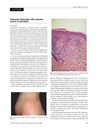
September 2015 in “Medical Clinics of North America” The document explains how to do skin procedures, care after surgery, and when to use certain treatments.
 9 citations
,
July 2002 in “Journal of the European Academy of Dermatology and Venereology”
9 citations
,
July 2002 in “Journal of the European Academy of Dermatology and Venereology” The document concludes that fexofenadine reduces inflammation in chronic hives, cholestyramine helps half of pregnant women with itchy rashes, and relaxing incisions are a good alternative in facial surgery for the elderly.
18 citations
,
December 2010 in “Transplantation Proceedings” Black hairy tongue can be an early sign of graft-versus-host disease after stem cell transplants.
41 citations
,
October 2001 in “Experimental Dermatology” The nude gene is important for skin and hair development.
42 citations
,
July 2021 in “Frontiers in Cell and Developmental Biology” Oral mucosa heals with minimal scarring, offering insights for scarless wound healing.
15 citations
,
September 2002 in “Journal of Biological Chemistry” Abnormal keratin expression in mice causes severe oral issues, affecting feeding.
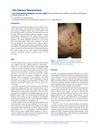 October 2016 in “Elsevier eBooks”
 Common noncancerous skin diseases have various treatments, including topical applications, light therapy, surgery, and medications, with psychological support being important.
45 citations
,
January 2021 in “Stem Cell Research & Therapy” The combination of stem cell medium and hydrogel effectively reduces and improves hypertrophic scars.
 36 citations
,
June 2021 in “Experimental & Molecular Medicine”
36 citations
,
June 2021 in “Experimental & Molecular Medicine” Targeting Hedgehog signaling may help treat ligamentum flavum fibrosis.
32 citations
,
December 2015 in “PloS one” P144® improves hypertrophic scars by reducing size and thickness and increasing elasticity.
 13 citations
,
January 2022 in “Stem cell reviews and reports”
13 citations
,
January 2022 in “Stem cell reviews and reports” Mouse stem cells from hair follicles can improve wound healing and reduce scarring.
October 2025 in “Journal of Cosmetic Dermatology” Botulinum toxin Type A helps reduce hypertrophic scars and is generally safe.
 January 2025 in “Open Medicine”
 High-concentration cell-free adipose extract reduces scar formation and improves scar appearance.
 305 citations
,
March 2018 in “International journal of molecular sciences”
305 citations
,
March 2018 in “International journal of molecular sciences” The document concludes that the understanding of scar formation is incomplete and current prevention and treatment for hypertrophic scars and keloids are not fully effective.
 47 citations
,
November 2012 in “Wound repair and regeneration”
47 citations
,
November 2012 in “Wound repair and regeneration” Nude mice with grafted human skin developed scars similar to human hypertrophic scars.
35 citations
,
October 2014 in “Wound Repair and Regeneration” The model helps understand scar contraction and develop new treatments.
21 citations
,
December 2023 in “Bioengineering & Translational Medicine” Fibroblast and endothelial cell interactions are crucial in forming hypertrophic scars.
18 citations
,
November 2009 in “Archives of Dermatology” Calcipotriol doesn't prevent hypertrophic scars, but keratinocyte activation is important in scar formation.
10 citations
,
January 2015 in “European journal of pharmacology” Ginsenoside Rb1 may help remodel hypertrophic scars effectively at a dose of 0.56 mg.
9 citations
,
November 2015 in “Plastic and reconstructive surgery/PSEF CD journals” Gene knockout mice developed scars similar to human hypertrophic scars, useful for studying scar progression.