February 2026 in “Advanced Sensor Research” Advanced technologies can improve understanding and monitoring of skin-brain interactions.
 8 citations
,
July 2022 in “Biomedicines”
8 citations
,
July 2022 in “Biomedicines” Autophagy helps keep skin healthy and may improve treatments for skin diseases.
37 citations
,
February 2024 in “Military Medical Research” Biomaterials can help heal wounds without scars and regenerate skin features.
29 citations
,
February 2021 in “Cancers” Ion channels play a key role in ovarian cancer growth and treatment resistance.
15 citations
,
July 2022 in “Frontiers in Pharmacology” Cepharanthine may help treat COVID-19 by targeting similar pathways as other inflammatory diseases.
14 citations
,
October 2024 in “Nano Convergence” The hydrogel with silver nanoparticles effectively heals MRSA-infected wounds.
7 citations
,
May 2022 in “Frontiers in Medicine” Combining camouflage with psychotherapy improves quality of life for vitiligo patients.
5 citations
,
December 2022 in “Genes” Genetic differences affect how people respond to COVID-19.
3 citations
,
July 2025 in “Current Issues in Molecular Biology” Dental pulp stem cells can help heal skin and mucosal wounds effectively.
 3 citations
,
June 2023 in “MedComm”
3 citations
,
June 2023 in “MedComm” Stem cells and their exosomes show promise for repairing tissues and healing wounds when delivered effectively, but more research is needed on their tracking and optimal use.
3 citations
,
May 2013 in “International journal of molecular sciences” Epidermal stem cells show promise for treating orthopedic injuries and diseases.
 April 2026 in “Microorganisms”
 SCFF may help promote hair growth and scalp health.
January 2026 in “Therapeutics” SCUBE3 is a potential target for cancer and alopecia treatment but is challenging to target due to its varied roles.
November 2025 in “Advanced Science” A new nanozyme using EGCG and L-arginine boosts hair growth by safely increasing beneficial oxidative stress.
 January 2025 in “Journal of Cosmetic Dermatology”
 Exosomes may help with hair growth and scar healing, but more research is needed.
 August 2024 in “Asian Journal of Research in Chemistry”
 Repurposing existing drugs can improve cancer treatment but faces challenges.
8 citations
,
January 2024 in “Medical Principles and Practice” IGFBP5 may be a potential target for Parkinson's treatment by reducing neuron death.
 March 2026 in “Science China Materials”
 SeV-Tp speeds up healing of drug-resistant infections by targeting wounds and killing bacteria with light activation.
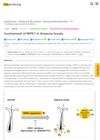
RIPK1 inhibitors might help prevent alopecia areata.
 May 2024 in “Journal of drug delivery science and technology”
 Exosomes show promise for treating skin diseases and improving skin regeneration.

Antiandrogens might help prevent or treat COVID-19 by blocking the virus's entry into cells.
 May 2023 in “International Journal of Molecular Sciences”
 Mesenchymal stem cells could help treat radiation-induced bladder damage but more research is needed to overcome current limitations.
848 citations
,
October 2020 in “International Journal of Molecular Sciences” PRP shows promise in treating joint and spine issues, but translating lab results to humans is challenging.
1 citations
,
April 2024 in “Acta Biochimica et Biophysica Sinica” The study identifies four distinct zones in the fetal vaginal epithelium, enhancing understanding for potential applications in women's health.
 April 2026 in “Biomedicines”
 Wound healing is not fully understood, requiring more research and collaboration to improve treatments.
 March 2026 in “Pharmaceutics”
 Plant-derived nanovesicles show promise in cancer treatment but need standardized preparation.
September 2025 in “Biomolecules” The skin microenvironment significantly affects hair growth and loss, offering potential treatment avenues.
September 2025 in “PeerJ” FCER1A and RGS1 may help diagnose and treat systemic lupus erythematosus.
73 citations
,
February 2023 in “Polymers” Peptide hydrogels are promising for drug delivery and tissue repair in medicine.
14 citations
,
February 2024 in “Biomolecules” TRPV channels are important in osteoarthritis and could be key to new treatments.