51 citations
,
January 2024 in “Burns & Trauma” Engineered extracellular vesicles can improve tissue repair and regeneration.
37 citations
,
August 2024 in “Current Issues in Molecular Biology” Keratins 6, 16, and 17 increase in damaged or diseased skin and may help diagnose skin issues.
3 citations
,
October 2024 in “Experimental Dermatology” Higher CRHR1 levels in AA patients lead to increased inflammation.
2 citations
,
October 2023 in “Cancer Reports” Mitochondrial features can predict colorectal cancer outcomes and improve immunotherapy.

"Bider" markings in Dun Mongolian horses are caused by a complex network of genes and pathways.
March 2026 in “Virulence” Vimentin and keratin help viruses spread and could be targets for antiviral treatments.
 February 2026 in “International Journal of Molecular Sciences”
 Combining hyperthermia with natural compounds and conventional treatments improves cancer therapy effectiveness and reduces side effects.
25 citations
,
June 2023 in “Biomedicines” Men generally face more severe COVID-19 outcomes than women, partly due to hormonal differences.
20 citations
,
October 2019 in “JAMA Otolaryngology–Head & Neck Surgery” Head and neck melanoma cases rose by 51.1% in young males aged 15-39 from 1995 to 2014.
13 citations
,
July 2022 in “International Journal of Environmental Research and Public Health” Males had more severe COVID-19 symptoms, but their risk of death was only slightly higher than females.
11 citations
,
May 2021 in “Journal of Ovarian Research” Africa's low COVID-19 rates may be linked to early measures and possibly higher estrogen levels in women.
2 citations
,
November 2025 in “Pharmacology Research & Perspectives” Avacopan may cause unexpected side effects, so early monitoring is important.
2 citations
,
May 2025 in “Pharmaceutics” Exosomes could improve skin health and treat skin diseases, but more research is needed.
 1 citations
,
November 2023 in “Journal of neurology”
1 citations
,
November 2023 in “Journal of neurology” A patient with a nerve disorder died from infection complications after developing insulin resistance from a treatment.
 March 2026 in “Pharmaceutics”
 Plant-derived nanovesicles show promise in cancer treatment but need standardized preparation.
 February 2026 in “International Journal of Molecular Sciences”
 Extracellular vesicles show promise for medical use but face challenges in standardization and safety.
September 2025 in “PeerJ” FCER1A and RGS1 may help diagnose and treat systemic lupus erythematosus.
September 2025 in “Animals” Accurate diagnosis and effective treatment are crucial to manage and prevent the spread of skin fungal infections in animals.
 July 2025 in “Journal of Cosmetic Dermatology”
 Alternative treatments are needed when Tofacitinib alone fails for alopecia areata.
February 2025 in “Gastroenterology” Corticosteroids improved symptoms in a man with Cronkhite-Canada Syndrome.
Belimumab effectively controls SLE disease activity and reduces steroid use.
 38 citations
,
January 2016 in “Cell Death and Disease”
38 citations
,
January 2016 in “Cell Death and Disease” The TCL1 transgenic mouse model is useful for understanding human B-cell leukemia and testing new treatments.
 7 citations
,
May 2020 in “Trends in molecular medicine”
7 citations
,
May 2020 in “Trends in molecular medicine” The document concludes that the immune-inhibitory environment of the hair follicle may prevent melanoma development.
 5 citations
,
April 2024 in “Journal of the Pakistan Medical Association”
5 citations
,
April 2024 in “Journal of the Pakistan Medical Association” Interleukin-6 may play a role in causing alopecia areata.
 5 citations
,
June 2015 in “British Journal of Dermatology”
5 citations
,
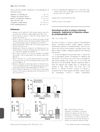
June 2015 in “British Journal of Dermatology” A certain medication improved severe itching in a boy with liver and bowel disease by reducing histamine levels, suggesting a new treatment target.
 May 2026 in “The EMBO Journal”
 Skin aging can be slowed by targeting cells, hormones, and the microbiome.
Sintilimab with chemotherapy improves survival and response in advanced lung cancer but increases some side effects.
 May 2019 in “Australasian Journal of Dermatology”
 A new diagnostic tool for Vulvovaginal Lichen Planus is highly accurate, and updated treatments for various skin conditions, including melanoma and Hidradenitis Suppurativa, were discussed.
 September 2012 in “International Current Pharmaceutical Journal”
 CHOP chemotherapy causes many side effects but is generally well tolerated.
 October 2018 in “Springer eBooks”
 The document concludes that various topical medications are effective for skin conditions but often cause skin irritation as a side effect.