 August 2024 in “Asian Journal of Research in Chemistry”
 Repurposing existing drugs can improve cancer treatment but faces challenges.
Potential new drugs for treating PCOS were identified.
October 2023 in “Pharmacoepidemiology and Drug Safety” Most dermatology drugs in Denmark are used correctly, with few unusual patterns.
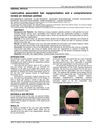
Lamivudine might reverse hair graying and needs more research for potential treatments.
254 citations
,
March 2023 in “Advanced Science” The hydrogel helps heal diabetic wounds faster by reducing inflammation.
76 citations
,
January 2022 in “Journal of Tissue Engineering” Microneedle patches could replace injections but need more development for better use in medicine.
 60 citations
,
January 2014 in “Anais Brasileiros De Dermatologia”
60 citations
,
January 2014 in “Anais Brasileiros De Dermatologia” Nanotechnology in dermatology shows promise for better drug delivery and treatment effectiveness but requires more safety research.
 5 citations
,
September 2012 in “Springer eBooks”
5 citations
,
September 2012 in “Springer eBooks” Nanoparticles can be used to deliver drugs to hair follicles, potentially improving treatments for conditions like acne and alopecia, and could also be used for vaccine delivery and gene therapy.
 February 2026 in “Dermatology and Therapy”
 AI can improve hair disorder diagnosis and treatment but can't replace doctors yet.
 April 2025 in “International Journal of Molecular Sciences”
 New treatments for hair loss show promise with advanced therapies and better targeting.
January 1989 in “Handbook of experimental pharmacology” Drugs can change hair growth and this is important because it can upset people.
17 citations
,
September 2024 in “Molecules” Turmeric essential oil compounds have potential as safe, effective drugs.
11 citations
,
June 2025 in “Polymers” Polysaccharide-based niosomes improve drug delivery and show promise in cancer therapy but face challenges in scalability and stability.
6 citations
,
July 2025 in “Pharmaceuticals” Marine biomaterials show promise for drug delivery and wound healing.
4 citations
,
November 2025 in “Molecules” Cerium oxide nanoparticles may help wounds heal faster, but more research is needed.
1 citations
,
January 2024 in “Dermatologic Therapy” Methotrexate and azathioprine are equally effective and well-tolerated for treating lichen planopilaris.
 1 citations
,
November 2023 in “BMC chemistry”
1 citations
,
November 2023 in “BMC chemistry” Tadalafil and Finasteride may help treat aggressive melanoma.
 March 2026 in “Molecules”
 Dang Gui may help treat immune-related diseases by boosting and regulating the immune system.
May 2025 in “Clinical Proteomics” Key proteins and potential drugs for treating alopecia areata were identified.
 January 2024 in “Journal der Deutschen Dermatologischen Gesellschaft”
 Non-biologic immunosuppressive drugs are crucial for treating autoimmune and chronic inflammatory skin diseases.
November 2025 in “Journal of Investigative Dermatology”  7 citations
,
January 2023 in “Journal of Hematology & Oncology”
7 citations
,
January 2023 in “Journal of Hematology & Oncology” Using protein degradation to fight cancer drug resistance shows promise but needs more precise targeting and fewer side effects.
61 citations
,
December 2021 in “Frontiers in Cell and Developmental Biology” Vitiligo treatments are improving but still face challenges and high relapse rates.
44 citations
,
May 2023 in “MedComm” PROTAC technology shows promise for cancer treatment but needs more effective E3 ligase recruiters.
30 citations
,
November 2024 in “ACS Materials Au” Microneedles are promising for disease monitoring and drug delivery due to their minimal invasiveness and versatility.
5 citations
,
May 2025 in “Pharmaceutics” Sericin from silk cocoons could be a promising drug delivery tool, but stability and consistency need improvement.
November 2025 in “Bioactive Materials” The cryogel effectively heals infected wounds and promotes tissue regeneration without scarring.
August 2025 in “Acta Biomaterialia” The new hydrogel speeds up wound healing by reducing inflammation and promoting tissue growth.
2 citations
,
July 2025 in “Chemical Engineering Journal” The hydrogel dressing effectively treats infected wounds by combining infection control and tissue regeneration.
9 citations
,
August 2024 in “Pharmacological Reviews” The intestinal lymphatic system is active and promising for targeted drug delivery and therapies.