 March 2026 in “Molecules”
 Camellia sinensis seed flavonoids can reduce skin inflammation and damage from UV rays.
 February 2026 in “Medicina”
 Hyaluronic Acid Profhilo® reduces skin inflammation and nerve-related pain in atopic dermatitis.
January 2026 in “Journal of Clinical Medicine” Janus kinase inhibitors reduce inflammation markers in severe alopecia areata patients.
 January 2026 in “Clinical Cosmetic and Investigational Dermatology”
 Early diagnosis and targeted anti-inflammatory treatments can improve outcomes in androgenetic alopecia with perifollicular inflammation and fibrosis.
 January 2026 in “DOAJ (DOAJ: Directory of Open Access Journals)”
 Early biopsy and targeting inflammation can improve treatment for hair loss in androgenetic alopecia.
December 2025 in “Experimental Dermatology” Improving blood vessel health and controlling uric acid may help manage alopecia areata.
November 2025 in “Journal of Investigative Dermatology” N,N-Dimethylglycine sodium salt may improve skin health and treat hair loss.

Allopregnanolone may help reduce inflammation and symptoms related to post-finasteride syndrome.
Nanotechnology can help manage PCOS by reducing inflammation and improving hormone balance.

People with alopecia areata have more inflammation but similar heart risk as healthy people.
 September 2024 in “Journal of the American Academy of Dermatology”
 PRO-C22 can help diagnose and monitor the severity of hidradenitis suppurativa.
 June 2024 in “British Journal of Dermatology”
 Hidradenitis suppurativa has had many names, but its naming is still not agreed upon.
 April 2023 in “The journal of investigative dermatology/Journal of investigative dermatology”
 Removing UBE2N from skin cells causes inflammation and immune response, which can be lessened with specific inhibitors.
 April 2023 in “Journal of Investigative Dermatology”
 Type 1/17 inflammation in psoriasis increases skin cell growth due to a molecule that could be a new treatment target.
April 2023 in “Journal of Investigative Dermatology” Targeting mTOR in myeloid cells may help reduce psoriasis symptoms.
 April 2023 in “The journal of investigative dermatology/Journal of investigative dermatology”
 p120-catenin helps control skin inflammation by regulating cadherin levels.
November 2022 in “Journal of Investigative Dermatology” Targeting inflammation can improve scalp and hair health.

Clinical signs don't match inflammation levels in lichen planopilaris and frontal fibrosing alopecia.
 January 2022 in “Journal of family medicine”
 Polycystic Ovarian Syndrome (PCOS) can cause chronic inflammation, mental health issues, and changes in gut bacteria, but a holistic lifestyle change can significantly improve these conditions.
July 2019 in “Cancer Research” Bone marrow and hair follicle cells help form skin tumors, suggesting new treatment targets.
July 2019 in “Tumor Biology” Bone marrow-derived cells contribute to skin tumors, suggesting new treatment targets for non-melanoma skin cancers.

A high-fat diet caused severe health problems in female macaques but was reversible with a normal diet, while male macaques reacted differently.
 April 2013 in “The Journal of Urology”
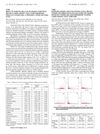
 Higher CRP levels suggest chronic inflammation is linked to bladder-related urinary symptoms in men with enlarged prostates.
December 2009 in “Journal of Veterinary Clinics” The dog's back mass was a keratoacanthoma with inflammation, successfully removed without recurrence.
September 2004 in “Experimental Dermatology” Stress increases nerve growth factor, causing hair loss in mice.
October 2022 in “Biomolecules” Allopregnanolone can reduce gut inflammation and normalize neurotransmitter levels after finasteride withdrawal.
228 citations
,
June 2021 in “Frontiers in Immunology” Macrophage issues cause chronic wound inflammation, but therapies can help.
 144 citations
,
September 2012 in “Genes & development”
144 citations
,
September 2012 in “Genes & development” Aging causes skin stem cells to work less effectively.
102 citations
,
January 2010 in “Mediators of Inflammation” PCOS is linked to obesity and inflammation, increasing cardiovascular risk.
72 citations
,
January 2007 in “Dermatology” Young Finnish men with more severe hair loss may have higher inflammation and obesity, increasing future heart disease risk.