Hair loss can be caused by hormones, illness, autoimmune disorders, or vitamin deficiencies, and treatments vary depending on the type.
 May 2026 in “Institutional Repository of the University of Granada (University of Granada)”
 New treatments for alopecia areata show promise, but their real-world effectiveness and impact on life and sexual health need more study.
12 citations
,
November 2023 in “Skin Appendage Disorders” JAK inhibitors might help treat Lichen Planopilaris, but more research is needed.
April 2025 in “International Journal of Dermatology” JAK inhibitors effectively reduce alopecia areata symptoms in Black patients.
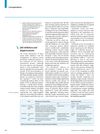 56 citations
,
January 2019 in “Lancet”
56 citations
,
January 2019 in “Lancet” JAK inhibitors help regrow hair in alopecia areata patients, improving their quality of life.
March 2017 in “Current dermatology reports” Topical JAK inhibitors can effectively treat alopecia areata and vitiligo by modulating immune responses.
November 2023 in “Journal of Investigative Dermatology” JAK inhibitors are effective and generally safe for treating alopecia areata, but monitoring for side effects is important.
40 citations
,
June 2021 in “Clinical, cosmetic and investigational dermatology” JAK inhibitors show promise in effectively treating hair loss from alopecia areata.
 July 2026 in “Frontiers in Pediatrics”
 An 11-year-old girl with severe hair loss regrew and repigmented her hair after JAK inhibitor treatment.
January 2026 in “Medicina” JAK inhibitors show promise for treating various skin disorders effectively and safely.
 40 citations
,
August 2022 in “Frontiers in immunology”
40 citations
,
August 2022 in “Frontiers in immunology” Blocking JAK/STAT pathways can help treat hair loss from alopecia areata.
29 citations
,
December 2019 in “Expert review of clinical pharmacology” JAK inhibitors are a promising new treatment for hair loss and nail problems in alopecia areata.
24 citations
,
July 2021 in “Pharmaceutics” Ruxolitinib cream effectively targets and treats inflammatory skin diseases.
May 2026 in “Journal of Human Immunity” Ruxolitinib reduced inflammation and improved symptoms in APECED patients but may cause anemia and weight gain.
 February 2026 in “Frontiers in Medicine”
 Topical immunotherapy is still effective for managing alopecia areata, even with new treatments available.
 January 2025 in “The Egyptian Journal of Hospital Medicine”
 Baricitinib is effective and safe for treating localized vitiligo, alone or with topical tacrolimus.
701 citations
,
August 2014 in “Nature medicine” Alopecia areata can be reversed by JAK inhibitors, promoting hair regrowth.
63 citations
,
July 2018 in “The journal of investigative dermatology/Journal of investigative dermatology” JAK inhibitors can effectively reverse hair loss in people with alopecia areata.
 March 2026 in “Lithuanian University of Health Sciences”
 JAK inhibitors can effectively regrow hair in alopecia areata patients, but ongoing treatment is needed to maintain results.
September 2025 in “Acta Dermato Venereologica” Baricitinib can help improve hair loss and skin color issues in people with Down syndrome.
 July 2026 in “Zenodo (CERN European Organization for Nuclear Research)”
 JAK inhibitors may help treat alopecia areata by restoring hair growth.
 July 2026 in “Zenodo (CERN European Organization for Nuclear Research)”
 JAK inhibitors may help treat alopecia areata by restoring hair growth.
September 2025 in “Journal of the American Academy of Dermatology” Some JAK inhibitors are effective for significant hair regrowth in alopecia areata.
7 citations
,
November 2023 in “JAAD Case Reports” Baricitinib helped regrow hair in patients with severe alopecia areata after other treatments failed.
51 citations
,
October 2019 in “Cells” Baricitinib reduces inflammation and improves cell health in premature aging cells.
49 citations
,
February 2022 in “Drug Design Development and Therapy” Ritlecitinib shows promise for hair regrowth in alopecia areata patients.
13 citations
,
January 2020 in “Acta Dermato Venereologica” Ruxolitinib treatment led to unexpected hair regrowth in a patient with alopecia universalis.
 November 2023 in “The journal of investigative dermatology/Journal of investigative dermatology”
 Cancer treatment drugs can cause permanent hair loss by damaging hair follicle stem cells, but a specific inhibitor might reverse this effect.
December 2021 in “Figshare” New therapies like JAK inhibitors and stem cells show promise for treating vitiligo.
July 2026 in “Pediatric Dermatology” Young patients with alopecia areata are satisfied with Janus kinase inhibitors, noting hair regrowth and improved quality of life.