January 2026 in “Saudi Journal of Internal Medicine” More research is needed to confirm the best treatments for ophiasis-pattern alopecia areata in different age groups.
December 2025 in “International Journal of Dermatology and Venereology” Targeted immunotherapies may offer better treatment for alopecia areata by controlling inflammation and immune responses.
December 2025 in “International Journal of Dermatology” Combining low-dose oral minoxidil with immunomodulators shows promise for treating alopecia areata but needs more research.
Children with alopecia areata need supportive care and off-label treatments due to a lack of approved options.
November 2025 in “British Journal of Dermatology” The guideline recommends personalized treatment for alopecia areata, including new oral medications and psychological support.
 November 2025 in “SKIN The Journal of Cutaneous Medicine”
 Baricitinib works better in adolescents than adults for treating severe alopecia areata.
 November 2025 in “Journal of Investigative Dermatology”
 Combination therapy, including JAK inhibitors, effectively regrows hair and reduces severity in Black children with stubborn Alopecia Areata.
 October 2025 in “Dermatologica Sinica”
 A personalized treatment combining traditional and new therapies may improve hair loss outcomes in alopecia areata.
September 2025 in “DiRROS repository (University of Maribor)” JAK inhibitors can effectively regrow hair in alopecia areata.
August 2025 in “Pediatric Dermatology” Individual choice in treating alopecia areata greatly impacts quality of life.
 August 2025 in “Scientific Electronic library online (Sciences Carlos III Health Institute)”
 Tofacitinib can help regrow hair in about 50% of people with moderate-severe alopecia areata.
June 2025 in “British Journal of Dermatology” Low-dose oral minoxidil is increasingly used by dermatologists in the UK and Ireland to treat various hair loss conditions.
June 2025 in “British Journal of Dermatology” Ritlecitinib may cause serious side effects like blood clots in alopecia areata patients.
June 2025 in “British Journal of Dermatology” Ruxolitinib helped a woman with a genetic mutation regrow her hair and improved her health.
June 2025 in “British Journal of Dermatology” Dual-targeting therapies like Janus kinase inhibitors may treat both alopecia areata and other immune diseases.
 June 2025 in “The Journal of Dermatology”
 Baricitinib is effective and safe for long-term treatment of severe alopecia areata.
Ritlecitinib is a new treatment for severe hair loss in people 12 and older.
 May 2025 in “JEADV Clinical Practice”
 Hair specialists vary in testing for alopecia areata, highlighting the need for standard guidelines.
May 2025 in “International Journal of Dermatology” Alopecia areata patients are more likely to develop systemic lupus erythematosus.
 May 2025 in “Journal of Inflammation Research”
 A combination of ixekizumab and tofacitinib successfully treated severe scalp cellulitis, leading to hair regrowth.
May 2025 in “International Journal of Trichology” Topical tofacitinib may help regrow hair in children with alopecia totalis.
Janus kinase inhibitors are the most supported treatment for pediatric alopecia areata, while other options have limited evidence.
 February 2025 in “PubMed”
 Switching JAK inhibitors can lead to significant hair regrowth in severe alopecia cases.
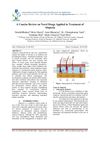
New therapies like JAK inhibitors, PRP, and stem cell treatments show promise for better alopecia management.
 January 2025 in “Frontiers in Pediatrics”
 Baricitinib significantly improved hair regrowth and skin condition in a 14-year-old with alopecia areata and atopic dermatitis.
 January 2025 in “Geneesmiddelenbulletin”
 Baricitinib is effective and safe for treating severe alopecia areata with ongoing use.
January 2025 in “Voprosy praktičeskoj pediatrii” Janus kinase inhibitors show promise for treating alopecia areata in children.
Topical treatments like minoxidil and corticosteroids are effective for hair loss, with JAK inhibitors promising for alopecia areata.
December 2024 in “The American Journal of Gastroenterology” Tofacitinib effectively treated both alopecia areata and Crohn's disease in a 12-year-old.
November 2024 in “Revista fisio&terapia.” JAK inhibitors show promise for treating Alopecia Areata, but more research is needed for better, accessible treatments.