 1 citations
,
June 2012 in “Actas Dermo-Sifiliográficas”
1 citations
,
June 2012 in “Actas Dermo-Sifiliográficas” Early and aggressive treatment of scarring alopecia is important to prevent further hair follicle damage.
 January 2026 in “RSC Advances”
 The hydrogel speeds up diabetic wound healing and reduces scarring.
23 citations
,
January 2024 in “Journal of Investigative Dermatology” Corticosteroids can reduce scarring in acne keloidalis by targeting specific cells.
1 citations
,
November 2024 in “Journal of Cosmetic Dermatology” It's generally safe to have most skin procedures after isotretinoin, but avoid aggressive treatments and use a lower dose.
January 2025 in “International Journal of Genomics” Three genes, BMP4, POSTN, and WNT5A, may help treat keloids.
 5 citations
,
February 2017 in “Facial Plastic Surgery Clinics of North America”
5 citations
,
February 2017 in “Facial Plastic Surgery Clinics of North America” Improve chin and perioral scars with surgery, resurfacing, and other therapies, tailored to each patient.
 January 2018 in “Springer eBooks”
 Different races and genders have unique skin and hair issues, requiring specialized care and more research for effective treatment.
 7 citations
,
January 2017 in “International Journal of Trichology”
7 citations
,
January 2017 in “International Journal of Trichology” Hair transplant can cause hard-to-treat keloids in some patients.
3 citations
,
August 2023 in “Clinical Cosmetic and Investigational Dermatology” Keloids can form at the site of a healed herpes zoster infection, but the reason is unclear.
 10 citations
,
July 2011 in “Wound Repair and Regeneration”
10 citations
,
July 2011 in “Wound Repair and Regeneration” New antiscarring strategies show promise, including drugs, stem cells, and improved surgical techniques.
3 citations
,
August 2019 in “JAAD Case Reports” Temporary hair loss can occur after 5-fluorouracil treatment for keloids.
 May 2017 in “InTech eBooks”
 Hair transplantation can lead to complications like pain, swelling, and rare serious issues, but risks can be reduced with careful practices.
 16 citations
,
October 1979 in “The Journal of Dermatologic Surgery and Oncology”
16 citations
,
October 1979 in “The Journal of Dermatologic Surgery and Oncology” Scalp reduction surgery successfully reduced baldness and improved self-image in a burn victim before hair transplantation.
 53 citations
,
January 2017 in “Skin appendage disorders”
53 citations
,
January 2017 in “Skin appendage disorders” Botulinum toxin shows promise for various skin conditions but requires more research for confirmation and standardized use.
45 citations
,
January 2021 in “Stem Cell Research & Therapy” The combination of stem cell medium and hydrogel effectively reduces and improves hypertrophic scars.
 5 citations
,
April 2021 in “International Journal of Homoeopathic Sciences”
5 citations
,
April 2021 in “International Journal of Homoeopathic Sciences” Homeopathy improved Acne Keloidalis Nuchae in a 14-year-old.
 April 2026 in “Journal of Pharmaceutical Investigation”
 Nanotechnology could improve treatment for scars and atopic dermatitis by targeting skin issues more effectively.
 April 2019 in “The journal of investigative dermatology/Journal of investigative dermatology”
 Targeting cholesterol, fatty acids, fibrosis, and mast cells may help treat CCCA.
November 2023 in “Journal of Investigative Dermatology” Different types of hair loss have unique cellular changes, suggesting new treatment targets.
 6 citations
,
May 2013 in “Dermatologic Surgery”
6 citations
,
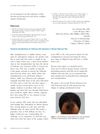
May 2013 in “Dermatologic Surgery” FUE can be successfully done on African-American hair by using larger punch tools and careful techniques to reduce hair damage.
31 citations
,
March 2016 in “Journal of Investigative Dermatology” AKR1B10 enzyme may cause keloid scars and could be a treatment target.
 25 citations
,
March 2012 in “Journal of Dermatological Science”
25 citations
,
March 2012 in “Journal of Dermatological Science” Genetic variants linked to ten skin diseases were found, showing both immune and non-immune factors play a role.
 21 citations
,
April 2019 in “Endocrinology and Metabolism Clinics of North America”
21 citations
,
April 2019 in “Endocrinology and Metabolism Clinics of North America” Transgender patients need proper skin care, especially when undergoing hormone treatments, to manage issues like acne and hair loss.
21 citations
,
February 2015 in “Clinical Cosmetic and Investigational Dermatology” Keloids may be influenced by stress and psychological factors.
 April 2026 in “International Journal of Molecular Sciences”
 Targeting non-Smad pathways in TGF-β signaling may improve keloid treatment.
 October 2025 in “Clinical Cosmetic and Investigational Dermatology”
 Targeting specific cell interactions may help treat skin fibrosis.
35 citations
,
December 2020 in “International Journal of Molecular Sciences” Mast cells likely promote skin scarring and fibrosis, but their exact role is still unclear.
 14 citations
,
July 2011 in “Clinics in plastic surgery”
14 citations
,
July 2011 in “Clinics in plastic surgery” Dermabrasion is a safe, effective way to improve skin appearance with minimal recovery time.
 April 2026 in “Biomedicines”
 A holistic approach combining lifestyle changes, stress management, exercise, and herbal medicine can effectively treat and prevent keloids.

Exosomes show promise for skin treatments but need more research and regulation in India.