 May 2007 in “Dermatologic Therapy”
 Hair care practices like using relaxers and tight braiding can lead to permanent hair loss in black women.
 July 1980 in “Journal of The American Academy of Dermatology”
 The conference concluded that understanding hair and nail disorders is important, iron deficiency may be linked to hair loss, and while some treatments for skin conditions are effective, they may have risks and high costs.
 May 2017 in “Journal of The American Academy of Dermatology”
 Finasteride improved hidradenitis suppurativa in kids without side effects.
 November 2024 in “Journal of the European Academy of Dermatology and Venereology”
 Cryotherapy with precise temperature control is a promising treatment for alopecia areata.
49 citations
,
May 2020 in “The Scientific World JOURNAL” Mesotherapy is a skin injection therapy used for pain and local conditions, with scientific support but needing more clinical trials.
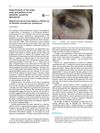
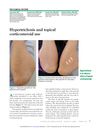 February 2022 in “Cleveland Clinic Journal of Medicine”
 Prolonged use of topical corticosteroids can cause excessive hair growth.
 1 citations
,
January 2015 in “Actas dermo-sifiliográficas/Actas dermo-sifiliográficas”
1 citations
,
January 2015 in “Actas dermo-sifiliográficas/Actas dermo-sifiliográficas” Latanoprost eye drops caused excessive cheek hair growth and eyelash whitening in a woman.
3 citations
,
January 2023 in “Indian Dermatology Online Journal” COVID-19 vaccines can cause mild to moderate skin reactions, mostly after the first dose.
 15 citations
,
January 2019 in “Journal of the Formosan Medical Association”
15 citations
,
January 2019 in “Journal of the Formosan Medical Association” Adalimumab helped control a child's severe eye disease when other treatments failed.
4 citations
,
August 2024 in “Journal of Cosmetic Dermatology” The non-cross-linked hyaluronic acid compound effectively and safely improves keratosis pilaris.
 36 citations
,
September 1999 in “Toxicologic pathology”
36 citations
,
September 1999 in “Toxicologic pathology” Stronger corticosteroids cause more skin damage in hairless dogs, similar to effects in humans.
 February 2026 in “Frontiers in Immunology”
 Tralokinumab for atopic dermatitis may cause eye issues and skin reactions, needing careful monitoring.
419 citations
,
May 2002 in “British journal of dermatology/British journal of dermatology, Supplement” Hyaluronic acid injections can cause serious artery blockages, so practitioners must be careful.
 February 2026 in “Medicina”
 Hyaluronic Acid Profhilo® reduces skin inflammation and nerve-related pain in atopic dermatitis.
2 citations
,
December 2015 in “Journal of dermatology” β-interferon injections for melanoma can cause excessive hair growth at the injection sites.
Intralesional steroids are the most effective treatment for alopecia areata.
January 2024 in “SAGE Open Medical Case Reports” Injectable hyaluronic acid can effectively treat facial lipoatrophy from lupus panniculitis.
 October 2023 in “Benha Journal of Applied Sciences”
 Methotrexate and vitamin D3 are potentially more effective and safer than triamcinolone for treating localized alopecia areata.
 January 2023 in “Indian Dermatology Online Journal”
 Bimatoprost and clobetasol are both effective for scalp hair loss, but bimatoprost works faster, has fewer side effects, and grows more colored hair.
 10 citations
,
September 2013 in “Veterinary dermatology”
10 citations
,
September 2013 in “Veterinary dermatology” Medroxyprogesterone injections caused hair regrowth in some dogs with alopecia X.
1 citations
,
April 2025 in “Skin Health and Disease” Combining delgocitinib ointment with excimer laser can effectively treat severe alopecia areata.
 5 citations
,
January 2022 in “Journal of the European Academy of Dermatology and Venereology”
5 citations
,
January 2022 in “Journal of the European Academy of Dermatology and Venereology” The Covishield COVID-19 vaccine caused skin-related side effects in 1.23% of the people vaccinated in the study from India.
 June 2023 in “Dermatologic Surgery”
 New injection methods for hair loss treatment show promise but need more research.
Fractional CO2 laser is more effective and safer than steroid injections for treating alopecia areata.
 August 2025 in “Indian Dermatology Online Journal”
 Both treatments work equally well for hair regrowth, but the lotion has fewer side effects.
January 2015 in “프로그램북(구 초록집)” Two patients with stubborn hair loss grew hair after PDRN injections.
 2 citations
,
February 2016 in “British Journal of Dermatology”
2 citations
,
February 2016 in “British Journal of Dermatology” Bimatoprost solution 0.03% is effective for treating sparse eyelashes.
 October 2024 in “International Journal of Medical Arts”
 Corticosteroids regrow hair better and faster than pentoxifylline for alopecia areata.
 February 2026 in “Clinical Cosmetic and Investigational Dermatology”
 Concentrated growth factors can effectively treat hair loss caused by filler injections.
97 citations
,
January 2006 in “Dermatology” imTA and pulse therapy are effective for alopecia areata with manageable side effects, but relapse rates need improvement.