A new compound from Royoporus badius activates immune cells and induces inflammatory responses.
 March 2025 in “Research Square (Research Square)”
 Lactiplantibacillus plantarum lysate from green tea may help treat scalp seborrheic dermatitis.
 November 2023 in “Food science of animal resources”
 Lactilactobacillus curvatus LB-P9 taken orally helps hair regrow faster and thicker in mice.
2 citations
,
October 2023 in “Animals” Lacto-fermentation changes amino acid profiles in bovine colostrum, but results are inconsistent.
 September 2025 in “Institutional Repositories DataBase (IRDB)”
 Lactic acid bacteria fermentation can turn waste into valuable skincare ingredients.
November 2025 in “Phytomedicine” L-rhamnose may promote hair growth by boosting energy production in cells.
 May 2024 in “Journal of cosmetic dermatology”
 Heat-treated Limosilactobacillus fermentum with menthol, salicylic acid, and panthenol promotes hair growth and balances scalp microbiome in people with androgenetic alopecia.
3 citations
,
January 2018 in “Journal of probiotics & health” 143 citations
,
May 2002 in “PubMed” LGD1069 effectively prevents breast tumors in mice without toxicity.
April 2023 in “Journal of Investigative Dermatology” RNase L suppresses regeneration in mammals.
 119 citations
,
October 2011 in “Journal of Veterinary Internal Medicine”
119 citations
,
October 2011 in “Journal of Veterinary Internal Medicine” Rhodococcus equi causes severe pneumonia in young foals, and effective vaccines are needed due to foals' weak immune responses.
 September 2021 in “Journal of skin and stem cell”
 Lactium, a milk protein, can help reduce symptoms of skin disorders linked to stress and anxiety without side effects.
 5 citations
,
April 2023 in “BMC Microbiology”
5 citations
,
April 2023 in “BMC Microbiology” Shampoo with heat-killed Lacticaseibacillus paracasei GMNL-653 improves scalp health and hair growth by changing scalp bacteria.
 February 2024 in “Bangladesh pharmaceutical journal”
 The conclusion is that the tested yogurts from Bangladesh are rich in vitamins thiamine and riboflavin, and the testing method is reliable.
20 citations
,
February 2021 in “Frontiers in Pharmacology” Angelica sinensis and Tetrapanax papyrifer are common in Taiwanese TCM for lactation, with potential anticancer benefits.
2 citations
,
May 2022 in “Tropical Journal of Pharmaceutical Research” Probiotics may help improve symptoms in rheumatoid arthritis patients.
 2 citations
,
January 2017 in “Plant”
2 citations
,
January 2017 in “Plant” The organic extracts from the roots of Glycyrrhiza Glabra Linn have antioxidant and antibacterial properties.
June 2026 in “Frontiers in Physiology” The cream effectively reduces oily skin, improves hydration, and changes skin bacteria.
November 2025 in “Probiotics and Antimicrobial Proteins” 5 citations
,
July 2017 in “Molecular Medicine Reports” Lygodium japonicum spores can reduce inflammation by blocking certain cell signals.
 6 citations
,
October 2017 in “Oncotarget”
6 citations
,
October 2017 in “Oncotarget” Hairless mice are more vulnerable to Listeria infection, but gut microbiota can help reduce damage.
3 citations
,
January 2023 in “Biodiversitas Journal of Biological Diversity” Bacillus tequilensis from Leea indica leaves is a strong natural antioxidant source.
5 citations
,
January 2024 in “Fermentation” The new placenta-derived liquid improves skin moisture better than traditional extracts.
 November 2025 in “Frontiers of Agricultural Science and Engineering”
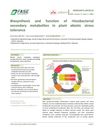
 Rhizobacterial strain RT3 helps lettuce survive drought by producing protective substances like proline.

Rice bran polysaccharides have potential uses in food, health, and cosmetics due to their beneficial bioactive properties.
![Asl Us Soos [Glycyrrhiza Glabra (Linn)]: An Evidence-Based Review on Its Phytopharmacological, Therapeutic Potential and Gastroduodenal Ulcer Activity](/images/assets/6967bbcb-3ed8-4b8e-a417-ed1c34019505/small/62125.jpg) January 2026 in “International Journal of Unani and Integrative Medicine”
January 2026 in “International Journal of Unani and Integrative Medicine” Licorice can effectively treat stomach ulcers and may work as well as or better than some standard drugs.
 November 2024 in “Fermentation”
 Fermented ginsenosides from kimchi bacteria may promote hair growth better than finasteride.
 17 citations
,
August 1967 in “JAMA”
17 citations
,
August 1967 in “JAMA” The rapid corticotropin test is a quick and simple way to diagnose adrenal insufficiency.
 October 2022 in “International journal of research and review”
 A man had severe stomach issues after a dental treatment with Formacresol, which improved with a different medication.
 April 2026 in “Journal of the Korean Society of Cosmetology”
 Limosilactobacillus reuteri from honeybees may promote hair growth by activating a specific cell pathway.