2 citations
,
February 2021 in “Case reports in dermatological medicine” The new topical botanical formulation significantly regrew hair in all five patients without side effects.
 2 citations
,
August 2014 in “PubMed”
2 citations
,
August 2014 in “PubMed” Losartan may help treat Postural Orthostatic Tachycardia Syndrome (POTS) symptoms.
1 citations
,
February 2024 in “Diversity” African plants can treat hair issues and may help with diabetes.
February 2026 in “Health Science Reports” Understanding acne medication chemistry helps doctors treat acne better.
December 2025 in “American journal of microbiological research” Using these leaves to wrap corn-based foods in Togo is safe and boosts nutrition and preservation.
 June 2025 in “Pharmaceutics”
 Ethosomes with 30% ethanol effectively deliver dutasteride to hair follicles for treating hair loss.
 May 2025 in “LUMEN ET VIRTUS”
 Nursing care is crucial for safe and effective hair transplants.
 May 2024 in “SPIRE - Sciences Po Institutional REpository”
 Understanding and treating alopecia areata improves patient care.
September 2023 in “Chinese Journal of Integrative Nursing” Traditional Chinese Medicine can treat alopecia areata using internal and external methods.
 July 2023 in “Research Square (Research Square)”
 Certain gut bacteria may protect against alopecia areata, while others may increase the risk.
January 2023 in “Psychology” Emotional Freedom Techniques (EFT) treatment improved seed germination and growth, suggesting mood affects seed viability.
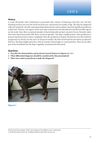 May 2019 in “Small Animal Dermatology”
 The dog has Color Dilution Alopecia, causing hair loss and increased risk of skin infections.
April 2019 in “kufa Journal for Nursing sciences” FUE hair transplant is effective and safe for treating hair loss.
5 citations
,
January 2012 in “JBI Library of Systematic Reviews” Avemar may help in cancer treatment, but its effectiveness isn't proven yet.
 July 2019 in “Majalah Obat Tradisional”
 Green tea leaves extract with flavonoids can promote hair growth.
111 citations
,
June 2015 in “Age and Ageing” Dutasteride, fesoterodine, and finasteride are beneficial for older patients, while most other drugs should be used cautiously or avoided.
2 citations
,
May 2025 in “Diagnostics” ATR-FTIR spectroscopy could help monitor alopecia areata treatment response non-invasively.
 June 2025 in “Naunyn-Schmiedeberg s Archives of Pharmacology”
 Herbal remedies may help with hair loss but need more research.
466 citations
,
June 2009 in “Experimental dermatology” We now understand more about what causes acne and this could lead to better, more personalized treatments.
 12 citations
,
September 2022 in “Foods”
12 citations
,
September 2022 in “Foods” Some nutraceuticals may help in COVID-19 prevention and treatment, but more research is needed.
8 citations
,
October 2021 in “The international journal of risk and safety in medicine” The document sets criteria for diagnosing long-term sexual dysfunctions caused by certain medications.
2 citations
,
June 2025 in “Cosmetics” Rosehip oil reduces wrinkles and UV spots and may have antimicrobial benefits.
October 2025 in “Bioactive Materials” Combining traditional Chinese medicine with microneedles shows promise for effectively treating skin diseases with fewer side effects.
 December 2024 in “Antioxidants”
 Luteolin can reduce hair graying in mice, with external treatment being more effective.
 November 2024 in “Clinical Cosmetic and Investigational Dermatology”
 Rosemary oil may effectively treat hair loss with fewer side effects, but more research is needed.
 September 2023 in “Journal of Cosmetic Dermatology”
 Finasteride was more effective than hydroxychloroquine in treating frontal fibrosing alopecia.
June 2021 in “F1000Research” Plant-based compounds may offer safer prostate cancer treatment with fewer side effects.
Sansevieria trifasciata Prain shows promise for treating hair loss by inhibiting androgen receptors.
4 citations
,
October 2013 in “Botanics Targets and Therapy” The herbal preparation may help manage alopecia by reducing inflammation and boosting the immune response.
 March 2026 in “Pharmaceutics”
 Plant-derived nanovesicles show promise in cancer treatment but need standardized preparation.