 101 citations
,
October 2013 in “Journal of The Saudi Pharmaceutical Society”
101 citations
,
October 2013 in “Journal of The Saudi Pharmaceutical Society” Minoxidil-loaded NLC gel shows potential for effective alopecia treatment.
 1 citations
,
June 2019 in “International Journal of Applied Pharmaceutics”
1 citations
,
June 2019 in “International Journal of Applied Pharmaceutics” Nanostructured lipid carriers can effectively repair hair split-ends for over 3 days.
 June 2026 in “Discover Nano”
 Lipid nanocarriers could effectively promote hair regrowth with fewer side effects.
May 2026 in “Advanced Pharmaceutical Bulletin” Black cumin oil-based carriers improve psoriasis treatment better than standard creams.
1 citations
,
October 2025 in “Beni-Suef University Journal of Basic and Applied Sciences” Lipid-based nanocosmeceuticals improve skin therapy by enhancing ingredient delivery and effectiveness for anti-aging and skin disorders.
 April 2026 in “Frontiers in Pharmacology”
 Nanotechnology improves skin treatments by enhancing delivery and reducing side effects.
December 2025 in “Processes” Minoxidil dissolves best in shea butter, stearic acid, and rosemary oil, which may improve hair growth treatments.
 1 citations
,
January 2026 in “Frontiers in Bioengineering and Biotechnology”
1 citations
,
January 2026 in “Frontiers in Bioengineering and Biotechnology” Ionizable lipid nanoparticles are the best for delivering gene-editing therapies.
 January 2026 in “Preprints.org”
 Nanotechnology shows promise for treating hair loss but faces safety and approval challenges.
 1 citations
,
July 2022 in “Pakistan biomedical journal”
1 citations
,
July 2022 in “Pakistan biomedical journal” Transethosomes improve drug delivery through the skin by overcoming the outer skin layer's barrier.
4 citations
,
May 2025 in “International Journal of Nanotechnology and Nanomedicine” Nanocarriers show promise for improving skin drug delivery in treating skin conditions.
 June 2026 in “Zenodo (CERN European Organization for Nuclear Research)”
 The herbal hair serum gel improves scalp health, strengthens hair, and promotes growth.
 28 citations
,
January 2017 in “Critical Reviews in Therapeutic Drug Carrier Systems”
28 citations
,
January 2017 in “Critical Reviews in Therapeutic Drug Carrier Systems” Nanomaterials in biomedicine can improve treatments but may have risks like toxicity, needing more safety research.
 89 citations
,
November 2014 in “International Journal of Nanomedicine”
89 citations
,
November 2014 in “International Journal of Nanomedicine” Using nanostructured lipid carriers to deliver spironolactone could improve treatment for hair loss.
 15 citations
,
December 2016 in “Advanced Pharmaceutical Bulletin”
15 citations
,
December 2016 in “Advanced Pharmaceutical Bulletin” The new cream with N-acetyl glucosamine didn't change skin color after 8 weeks.
 February 2024 in “International Journal For Multidisciplinary Research”
 Nanostructured lipid carriers are effective for treating hyperpigmentation in women aged 30-40.
 15 citations
,
May 2016 in “Die Pharmazie”
15 citations
,
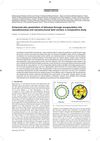
May 2016 in “Die Pharmazie” Nanostructured lipid carriers deliver lidocaine to the skin better than nanoethosomes.
 17 citations
,
April 2021 in “Biointerface Research in Applied Chemistry”
17 citations
,
April 2021 in “Biointerface Research in Applied Chemistry” Nanostructured lipid carriers are promising for improving drug delivery in medicine and food.
 December 2024 in “International Journal of Drug Delivery Technology”
 The new delivery method for dutasteride is more effective and has fewer side effects.
 32 citations
,
April 2016 in “Aaps Pharmscitech”
32 citations
,
April 2016 in “Aaps Pharmscitech” Nanostructured lipid carriers improve minoxidil delivery for hair loss treatment.
 17 citations
,
October 2016 in “Artificial Cells Nanomedicine and Biotechnology”
17 citations
,
October 2016 in “Artificial Cells Nanomedicine and Biotechnology” Using tiny fat particles to deliver arginine to hair follicles could be a new way to treat hair loss.
 8 citations
,
September 2023 in “Advanced Pharmaceutical Bulletin”
8 citations
,
September 2023 in “Advanced Pharmaceutical Bulletin” Chitosan-coated spironolactone nano carriers effectively treat acne without side effects.
 July 2024 in “ADMET & DMPK”
 Surface-modified nanostructured lipid carriers can improve hair growth treatments.
 44 citations
,
August 2017 in “Food Bioscience”
44 citations
,
August 2017 in “Food Bioscience” Researchers made a special butter with added betasitosterol that could be healthier for the heart and stayed good for three months.
 March 2024 in “Bioimpacts”
 400 nm particles penetrate hair follicles best, but mouse models aren't fully reliable for human studies.
 47 citations
,
April 2017 in “European Journal of Pharmaceutics and Biopharmaceutics”
47 citations
,
April 2017 in “European Journal of Pharmaceutics and Biopharmaceutics” The new dutasteride formula can be applied to the skin, may promote hair growth, and has fewer side effects.
 8 citations
,
October 2020 in “Pharmaceutics”
8 citations
,
October 2020 in “Pharmaceutics” Dutasteride-loaded nanoparticles coated with Lauric Acid-Chitosan show promise for treating hair loss due to their controlled release, low toxicity, and potential to stimulate hair growth.
Safflower extract in nanostructured carriers was more effective than minoxidil for hair growth without irritating skin.
 June 2023 in “Sains Malaysiana”
 Cinchonine Nanostructured Lipid Carriers serum safely and effectively stimulates hair growth and increases the number and size of hair follicles.
 2 citations
,
August 2021 in “Journal of pharmaceutical research international”
2 citations
,
August 2021 in “Journal of pharmaceutical research international” Fenugreek seed extract in a nanoparticle gel could be a promising new treatment for hair loss.