7 citations
,
August 2025 in “Plants” Selenium from plants is beneficial and safer for health.
5 citations
,
May 2025 in “Pharmaceutics” Sericin from silk cocoons could be a promising drug delivery tool, but stability and consistency need improvement.
3 citations
,
September 2025 in “ChemMedChem” Multitarget drugs are needed to better treat complex diseases.
1 citations
,
February 2024 in “Preprints.org” Ginsenoside compound K shows promise for treating metabolic diseases like obesity and diabetes, but more research is needed on its safety and effectiveness.
 May 2026 in “Applied Biochemistry and Biotechnology”
 Lemon-derived vesicles may help hair grow.
November 2025 in “Journal of Medicinal Chemistry” Topical PROTACs show promise for treating skin conditions but need better stability and delivery methods.
April 2024 in “Molecules/Molecules online/Molecules annual” Paris polyphylla saponins may effectively treat acne due to their antibacterial and anti-inflammatory properties.

Ganoderma lucidum extract promotes hair growth in bald rats, with higher doses producing better results, similar to the effects of Minoxidil 2%.
 July 2022 in “International Journal of Applied Pharmaceutics”
 Machine learning and deep learning can effectively diagnose alopecia areata.
 10 citations
,
August 2023 in “Advanced Science”
10 citations
,
August 2023 in “Advanced Science” Nitric Oxide has potential in medicine, especially for infections and heart treatments, but its short life and delivery challenges limit its use.
2 citations
,
December 2021 in “Pharmaceutics” Finasteride-loaded proniosomes effectively promote hair growth in mice.
92 citations
,
April 2021 in “Pharmaceutics” Characterizing lipid nanoparticles is challenging due to issues with sensitivity, reproducibility, and reliability.
43 citations
,
July 2023 in “Pharmaceuticals” Caffeine can boost health, prevent diseases, and improve performance, with new methods enhancing its benefits.
 9 citations
,
July 2021 in “Essays in Biochemistry”
9 citations
,
July 2021 in “Essays in Biochemistry” Sex hormones may influence COVID-19 severity, with males at higher risk, and certain hormone therapies could potentially treat the virus.
8 citations
,
January 2019 in “Nanomedicine” Egyptian researchers are advancing in pharmaceutical nanotechnology, potentially improving health outcomes and the economy.
7 citations
,
August 2023 in “Life” Extracellular vesicles could help tailor drug treatments, but more research is needed.
2 citations
,
November 2025 in “International Journal of Molecular Sciences” Chitosan-based materials are promising for treating diseases and healing wounds due to their beneficial properties.
1 citations
,
May 2022 in “IntechOpen eBooks” Natural products might help treat COVID-19, but current drugs like hydroxychloroquine haven't worked.
 February 2023 in “Journal of plant science and phytopathology”
 Jatropha dioica may have antiviral, antifungal, and other medicinal properties, but more research is needed.
110 citations
,
February 2024 in “Journal of Chemical Information and Modeling” PandaOmics uses AI to find new disease treatment targets and biomarkers.
 37 citations
,
September 2003 in “Journal of Medicinal Chemistry”
37 citations
,
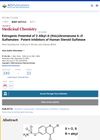
September 2003 in “Journal of Medicinal Chemistry” A substance called Compound 2g can strongly block STS (a hormone-related enzyme) without affecting estrogen levels, making it potentially good for treating breast cancer.
26 citations
,
December 2022 in “Future Journal of Pharmaceutical Sciences” Invasomes with natural terpenes can improve drug delivery through the skin.
17 citations
,
October 2023 in “Polymers” Electrospun nanofibers are promising for medical, sensing, and energy uses, especially with 3D printing.
 1 citations
,
November 2022 in “International Journal of Molecular Sciences”
1 citations
,
November 2022 in “International Journal of Molecular Sciences” Kelulut Honey can help regulate sex hormone receptors in rats with Polycystic Ovary Syndrome, similar to common medications.
 February 2026 in “International Journal of Molecular Sciences”
 Combining hyperthermia with natural compounds and conventional treatments improves cancer therapy effectiveness and reduces side effects.
December 2025 in “Processes” Minoxidil dissolves best in shea butter, stearic acid, and rosemary oil, which may improve hair growth treatments.
 December 2024 in “Plant Science Today”
 Phyla nodiflora contains compounds that may help treat diabetes, alopecia, cancer, and anti-diuresis.
18 citations
,
August 2024 in “eLife” JAK inhibition may help manage autoimmune conditions in Down syndrome.
2 citations
,
December 2024 in “eLife” JAK inhibition reduces autoimmune issues in Down syndrome.
1 citations
,
September 2025 in “Viruses” Thrombophilic conditions may worsen Long COVID symptoms due to increased blood clotting.