 13 citations
,
July 2012 in “Pigment Cell & Melanoma Research”
13 citations
,
July 2012 in “Pigment Cell & Melanoma Research” A mutation in the Adam10 gene causes freckle-like spots on Hairless mice.
12 citations
,
September 2020 in “Nanomaterials” The new drug delivery system improves vitiligo treatment by enhancing melanocyte activity and viability.
 9 citations
,
May 2013 in “JAMA Dermatology”
9 citations
,
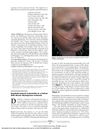
May 2013 in “JAMA Dermatology” A woman's hair turned white after taking a cancer drug called dasatinib.
 6 citations
,
November 2011 in “Journal of Dermatological Science”
6 citations
,
November 2011 in “Journal of Dermatological Science” A new gene mutation may allow some piebaldism patients to regain skin color in white patches.
4 citations
,
March 2024 in “Journal of Investigative Dermatology” SPRY1 deficiency in skin cells causes stem cells to move to the skin surface, leading to increased pigmentation.
 4 citations
,
January 2015 in “Hair therapy & transplantation”
4 citations
,
January 2015 in “Hair therapy & transplantation” Hair follicle stem cells could be used to treat the skin condition vitiligo.
3 citations
,
June 2025 in “Stem Cell Research & Therapy” Hair follicle-derived melanocyte transplant could effectively treat vitiligo by restoring skin color.
3 citations
,
December 2024 in “Stem Cell Reports” Low fucosylation boosts stem cell growth in the eye.
 1 citations
,
September 2023 in “The journal of investigative dermatology/Journal of investigative dermatology”
1 citations
,
September 2023 in “The journal of investigative dermatology/Journal of investigative dermatology” Removing Dicer from pigment cells in newborn mice causes early hair graying and changes in cell migration molecules.
 1 citations
,
May 2021 in “Research Square (Research Square)”
1 citations
,
May 2021 in “Research Square (Research Square)” Micro-injury can help regrow hair and repigment vitiligo by activating specific cells.

The treatment showed limited success in repigmenting hair for vitiligo-associated leukotrichia.
 August 2024 in “Bioscience of Microbiota Food and Health”
 Microbes might play a role in vitiligo.
April 2024 in “International journal of molecular sciences” Dermal factors are crucial in regulating melanin production in skin.
 January 2021 in “Journal of clinical and cosmetic dermatology”
 Human skin responds to light with protective mechanisms, but more research is needed to understand these processes and their implications for health and therapy.
 September 2014 in “Aktuelle Dermatologie”
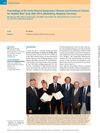
 The symposium concluded that environmental factors significantly contribute to skin aging.
 March 2018 in “John Wiley & Sons, Ltd eBooks”
 Surgical therapies for vitiligo vary in effectiveness, with combination therapy and medical tattooing recommended for better results.
 54 citations
,
April 2020 in “Experimental & Molecular Medicine”
54 citations
,
April 2020 in “Experimental & Molecular Medicine” Cox-2 significantly contributes to the development and progression of skin and esophageal cancers.
 65 citations
,
January 2017 in “Postępy Dermatologii i Alergologii”
65 citations
,
January 2017 in “Postępy Dermatologii i Alergologii” High-frequency ultrasonography is a useful but underused tool in dermatology for assessing skin cancers, monitoring diseases, and evaluating treatments.
17 citations
,
July 2024 in “Frontiers in Oncology” New therapies and trials are needed for Merkel cell carcinoma, a tough skin cancer.
 March 2022 in “Ophthalmology Journal”
 A woman's rare benign eyelid tumor was correctly identified through detailed tissue analysis.
 October 2018 in “Springer eBooks”
 The document concludes that various hair disorders have different treatments, including medication, surgery, and addressing underlying causes.
 65 citations
,
June 2020 in “Stem Cell Research & Therapy”
65 citations
,
June 2020 in “Stem Cell Research & Therapy” Certain immune system proteins are important for skin healing but can cause problems if there are too many of them.
 26 citations
,
June 2019 in “The journal of investigative dermatology/Journal of investigative dermatology”
26 citations
,
June 2019 in “The journal of investigative dermatology/Journal of investigative dermatology” Regenerative therapies show promise for treating vitiligo and alopecia areata.
 2 citations
,
October 2016
2 citations
,
October 2016 Chemotherapy and radiotherapy can cause skin side effects like rashes, hair loss, and nail changes, which are usually managed with conservative treatments.
March 2026 in “Pigment Cell & Melanoma Research” Clear documentation and shared best practices are essential for improving research consistency in pigment cells.
 May 2021 in “GSC Advanced Research and Reviews”
 Hair color is influenced by genetics and can indicate certain health conditions.
 220 citations
,
August 1988 in “Clinical endocrinology”
220 citations
,
August 1988 in “Clinical endocrinology” Melatonin may help with sleep issues, depression, and cancer, but more research is needed.
 195 citations
,
May 2003 in “Obstetrics and gynecology (New York. 1953. Online)/Obstetrics and gynecology”
195 citations
,
May 2003 in “Obstetrics and gynecology (New York. 1953. Online)/Obstetrics and gynecology” Most women with excess hair growth have an underlying hormonal issue, often treated with medication and hair removal methods.
 129 citations
,
May 2015 in “Cell Stem Cell”
129 citations
,
May 2015 in “Cell Stem Cell” Different types of stem cells exist within individual skin layers, and they can adapt to damage, transplantation, or tumor growth. These cells are regulated by their environment and genetic factors. Tumor growth is driven by expanding, genetically altered cells, not long-lived mutant stem cells. There's evidence of cancer stem cells in skin tumors. Other cells, bacteria, and genetic factors help maintain balance and contribute to disease progression. A method for growing mini organs from single cells has been developed.
 68 citations
,
September 2018 in “Trends in Cell Biology”
68 citations
,
September 2018 in “Trends in Cell Biology” Cancer can hijack the body's cell repair system to promote tumor growth, and targeting this process may improve cancer treatments.