Emotional states significantly affect hair growth and hair disorders.
January 2025 in “Medical Archives” Body dysmorphia is common in women with PCOS, affecting their quality of life.
25 citations
,
May 2017 in “InTech eBooks” Catalytic antibodies are early indicators and active participants in the development of systemic lupus erythematosus.
 December 2025 in “BJPsych Open”
 Semaglutide may worsen eating disorders in vulnerable individuals.
December 2024 in “Journal of Investigative Dermatology” The conference highlighted new treatments and research in pediatric skin conditions, emphasizing collaboration and innovation.
 April 2017 in “Journal of Investigative Dermatology”
 People with hidradenitis suppurativa who are more resilient tend to have better quality of life and less anxiety and depression.
January 2022 in “Clinical Cases in Dermatology” A woman has a permanent hair loss condition treated with steroids and new medicines, but hair might not regrow.
 April 2026 in “AMEI's Current Trends in Diagnosis & Treatment”
 PCOS-related infertility is managed with lifestyle changes and medications.
 January 2025 in “ARC Journal of Dermatology”
 Transgender youth on hormone therapy need personalized acne treatments and supportive care.
 July 2024 in “International Journal of Dermatology Venereology and Leprosy Sciences”
 Bariatric surgery often causes temporary hair loss due to stress and nutrient deficiencies.
 July 2023 in “IntechOpen eBooks”
 Some types of hair loss can be reversed, others are permanent, and treatments vary by type.
April 2023 in “Al-Azhar International Medical Journal /Al-Azhar International Medical Journal” COVID-19 infection is linked to temporary hair loss in Egyptian women.
 February 2026 in “Journal of Drugs in Dermatology”
 Janus kinase inhibitors are effective and safe for treating alopecia areata.
 41 citations
,
March 1992 in “Archives of Dermatology”
41 citations
,
March 1992 in “Archives of Dermatology” The review suggests that understanding and treating the psychological aspect of skin disorders is important and calls for more collaboration in this field.
27 citations
,
October 2020 in “Medical Journal of the Islamic Republic of Iran” Elderly people, especially with chronic conditions, are more at risk of severe COVID-19 complications and need preventive care and social support.
12 citations
,
September 2024 in “Journal of the European Academy of Dermatology and Venereology” Targeting psychosocial factors can help reduce self-stigma in people with chronic skin diseases.
 5 citations
,
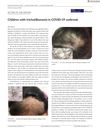
May 2021 in “Journal of Cosmetic Dermatology”
5 citations
,
May 2021 in “Journal of Cosmetic Dermatology” More children are showing signs of hair-pulling disorders during the COVID-19 pandemic due to stress and lack of social interaction.
4 citations
,
June 1990 in “Postgraduate medicine” Medication can effectively reduce hair growth and improve life quality for women with hirsutism.
2 citations
,
November 2021 in “Journal of Clinical Psychopharmacology” Finasteride may affect mood and increase suicidal risk.
1 citations
,
September 2025 in “Pediatric Dermatology” Behavioral interventions, especially habit reversal training, are most effective for treating trichotillomania in children.
1 citations
,
June 2024 in “Archives of Dermatological Research” Alopecia may lower the risk of substance use disorder.
1 citations
,
February 2023 in “Arquivos de Ciências da Saúde da UNIPAR” Aesthetic hair treatments boost self-esteem and confidence by promoting hair growth, but more research is needed.
June 2026 in “Dove Medical Press (Taylor and Francis Group)” JAK inhibitors show promise for treating alopecia areata, but long-term safety and emotional support are important.
February 2026 in “Psychoneuroendocrinology” Lower family income is linked to more stress in parents and more behavior problems in children.
October 2023 in “University of Zadar Institutional Repository” Androgenic alopecia is hereditary hair loss treated with medications, therapies, and support.
Many Egyptian women who were hospitalized for COVID-19 experienced significant hair loss afterwards.
October 2025 in “COGNITIONIS Scientific Journal” Postpartum hair loss is common, temporary, and linked to hormonal changes, stress, and nutrition.
3 citations
,
January 1967 Testosterone slightly improved aging skin, while corticosteroids worsened it.
 January 2018 in “Springer eBooks”
 Gender affects hair and scalp characteristics, with differences in hormone responses, graying patterns, and trace metals.

Many young women have Polycystic Ovarian Syndrome (PCOS), which is often linked with irregular periods, depression, low self-esteem, and insomnia. Lifestyle and diet changes, along with regular counseling, can help manage these symptoms.