305 citations
,
March 2008 in “AJP Endocrinology and Metabolism” SSAT is a key enzyme affecting cell growth and metabolism, with potential but risky use in disease treatment.
20 citations
,
January 2017 in “Epilepsia” Blocking neurosteroid production can lead to more seizures and faster epilepsy onset in rats.
 April 2016 in “Journal of Investigative Dermatology”
 Decreasing MIG6 can increase the movement and invasiveness of MEK-inhibited mutant NRAS melanoma, particularly when stimulated by EGF.
 17 citations
,
October 2006 in “Molecular and Cellular Endocrinology”
17 citations
,
October 2006 in “Molecular and Cellular Endocrinology” The L457(3.43)R mutation in the human lutropin receptor causes increased activity and hormone insensitivity, leading to precocious puberty.
 15 citations
,
April 2017 in “Hormones”
15 citations
,
April 2017 in “Hormones” Genetic defects in the glucocorticoid receptor gene can cause conditions with abnormal sensitivity to stress hormones, and other factors may also affect this sensitivity.
 3 citations
,
May 2025 in “Cell Death and Disease”
3 citations
,
May 2025 in “Cell Death and Disease” Targeting METTL1 may help slow papillary thyroid cancer growth and spread.
January 2014 in “eScholarship (California Digital Library)” Targeting specific GABA receptors may help treat epilepsy and postpartum depression.
48 citations
,
March 1993 in “The Laryngoscope” Cholesteatoma shows abnormal and increased EGF receptor expression, indicating its rapid growth.
 January 2026 in “Cirugía Plástica .”
 Topical glutamic acid may help hair regrow after burns, but more human testing is needed.
3 citations
,
January 1984 1 citations
,
April 2015 in “InTech eBooks” RAGE is a potential target for melanoma treatment, but its effectiveness is uncertain due to variable expression levels.
140 citations
,
February 2014 in “Neuron” Delta opioid receptors help regulate touch sensation by reducing neurotransmitter release in the spinal cord.
3 citations
,
July 2023 in “Cells” MG53 helps reduce skin damage caused by nitrogen mustard.
227 citations
,
February 1989 in “The Journal of Comparative Neurology” CGRP-IR axons may help maintain and renew tissues.
25 citations
,
July 2006 in “Journal of Neurochemistry” Progesterone affects GABAA receptor function by altering δ subunit levels.
83 citations
,
May 2022 in “Journal of Advanced Research” Enhancing glycolysis in mesenchymal stromal/stem cells boosts their immune functions and therapy potential.
13 citations
,
June 2023 in “Frontiers in Molecular Neuroscience” Blocking the KATP channel may help treat migraines.
18 citations
,
October 2022 in “JCI Insight” Abnormal amino acid metabolism may worsen rosacea symptoms.
 May 2026 in “Discover Oncology”
 Targeting LGR4 may help treat cancer by reducing cancer stem cell traits and drug resistance.
 3 citations
,
August 2021 in “Research Square (Research Square)”
3 citations
,
August 2021 in “Research Square (Research Square)” The most common sign of aging at the gene level is more Ectodysplasin A2 Receptor (EDA2R) being made.
19 citations
,
February 2016 in “Journal of Biological Chemistry” KCNQ potassium channels help control the sensitivity of touch receptors in the skin.
 19 citations
,
November 1971 in “Clinica Chimica Acta”
19 citations
,
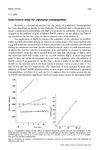
November 1971 in “Clinica Chimica Acta” The document concludes that measuring γ-glutamyl transpeptidase activity is more accurate with a higher substrate concentration and using diluted acetic acid to stop the reaction.
9 citations
,
June 2017 in “Pharmacological Reports” ATP-sensitive potassium channels play a role in chloroquine-induced itch in mice.
4 citations
,
November 2024 in “Journal of Advanced Research” Targeting NMMHC IIA may help treat blood-brain barrier damage.
January 2016 in “Institutional Repositories DataBase (IRDB)” Sebaceous glands help study fatty acid transporters and binding proteins.
4 citations
,
January 2023 in “Journal of Clinical Investigation” Specific mutations in a receptor cause facial abnormalities and hair loss.
September 2017 in “The journal of investigative dermatology/Journal of investigative dermatology” N-acetyl-GED may help prevent and partially reverse a process that leads to scarring hair loss.
 1 citations
,
August 2023 in “The journal of pharmacology and experimental therapeutics/The Journal of pharmacology and experimental therapeutics”
1 citations
,
August 2023 in “The journal of pharmacology and experimental therapeutics/The Journal of pharmacology and experimental therapeutics” Kir6.1 mutations in Cantú syndrome increase channel sensitivity and hyperpolarization, while SUR2B mutations do not.
1 citations
,
July 2025 in “Journal of Investigative Dermatology” Increasing m6A levels can improve skin cell growth and wound healing.
October 2007 in “European Neuropsychopharmacology”