1 citations
,
August 2025 in “Seeds” Cucurbitaceae seeds, like watermelon and pumpkin, can be used in cosmetics for skin and hair benefits.
1 citations
,
May 2024 in “Pharmaceutics” Hemp is a promising ingredient for skin products due to its healing and soothing properties.
 July 2026 in “Pharmaceuticals”
 Marine-derived polysaccharide nanofibers could improve wound healing but face challenges in becoming widely used.

Coreopsis tinctoria Nutt. extract can effectively dye hair yellow or dark brown with good wash durability.
 March 2026 in “International Journal of Molecular Sciences”
 Understanding monosaccharide composition can improve the development of effective medicinal plant polysaccharides.
December 2025 in “Dietetics” European olive products are beneficial for skin care and are expected to become more important.
November 2025 in “Preprints.org” Monosaccharide composition in plant polysaccharides significantly affects their biological activities and therapeutic potential.
June 2025 in “Materials Today Bio” CPGel hydrogel heals diabetic wounds effectively in 21 days.
April 2025 in “Cosmetics” Clinopodium bolivianum essential oil boosts antioxidant activity in hair products, especially in combing cream.
January 2025 in “Pharmaceuticals” Nanocarriers can improve antioxidant delivery to the skin but face safety and production challenges.
 June 2024 in “Molecules/Molecules online/Molecules annual”
 Platycladus orientalis flavonoids protect balding hair from UV damage and slow hair color change.
 April 2011 in “한국생물공학회 학술대회”
 Lotion with fucoidan from brown seaweed improved skin and reduced allergy symptoms in mice with dermatitis.
 5 citations
,
January 2020 in “Current Pharmaceutical Design”
5 citations
,
January 2020 in “Current Pharmaceutical Design” Geranium plants have healing properties like fighting microbes, protecting the liver, reducing inflammation, and may help with viruses, stomach issues, and diabetes.
3 citations
,
December 2021 in “Frontiers in Pharmacology” Ficus benghalensis leaf extracts can effectively promote hair growth and inhibit hair loss.
48 citations
,
January 2024 in “Frontiers in Pharmacology” Improving topical drug delivery involves overcoming skin barriers and using personalized dosing to enhance effectiveness.
48 citations
,
May 2021 in “Molecules” Plant extracts from dry flowers can be used as safe, effective dyes in cosmetics, offering skin protection and anti-aging benefits.
35 citations
,
November 2024 in “Gels” Hydrogel microneedles offer a painless, effective way to treat skin disorders.
24 citations
,
January 2023 in “International Journal of Nanomedicine” Biomembrane-based hydrogels can effectively promote chronic wound healing.
 15 citations
,
October 2021 in “Frontiers in Pharmacology”
15 citations
,
October 2021 in “Frontiers in Pharmacology” Natural volatiles and essential oils have health benefits and can enhance the effects of some medicines, but more research is needed to understand how they work and their possible side effects.
 8 citations
,
January 2023 in “RSC Advances”
8 citations
,
January 2023 in “RSC Advances” Carbon dots show promise for tissue repair and growth but need more research to solve current challenges.
7 citations
,
August 2025 in “Plants” Selenium from plants is beneficial and safer for health.
2 citations
,
September 2023 in “Foods” Microcapsules and effervescent tablets make insect lipids easier to consume.
 2 citations
,
November 2022 in “Biosensors”
2 citations
,
November 2022 in “Biosensors” A new, efficient method has been developed to detect darolutamide and thalidomide, drugs used for certain hair loss and prostate cancer treatments, in pharmaceuticals and body fluids.
1 citations
,
December 2025 in “Inorganics” Silver nanoparticles help heal wounds by preventing infections and promoting tissue repair.
 1 citations
,
August 2023 in “Gels”
1 citations
,
August 2023 in “Gels” The hydrogel with silver and ibuprofen promotes wound healing and fights infection.
Chitosan composites with silver or zinc oxide nanoparticles effectively prevent microbial growth.
 July 2026 in “International Journal of Molecular Sciences”
 Cyclodextrin-grafted polysaccharides improve drug delivery and pollutant removal, offering sustainable solutions for medicine and the environment.
 March 2026 in “Molecules”
 Dang Gui may help treat immune-related diseases by boosting and regulating the immune system.
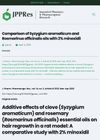 March 2026 in “Journal of Pharmacy & Pharmacognosy Research”
 Clove and rosemary oils together promote hair regrowth better than minoxidil.
 February 2026 in “Molecules”
 BBR-SA nanomedicine is a safe and effective treatment for breast cancer.