 November 2022 in “The journal of investigative dermatology/Journal of investigative dermatology”
 Linalool in personal care products may contribute to hair loss by damaging hair follicle stem cells and triggering harmful immune responses.
 1 citations
,
June 2017 in “Skin”
1 citations
,
June 2017 in “Skin” Apremilast may help treat lichen planopilaris and frontal fibrosing alopecia when other treatments fail.
 May 2026 in “Journal of the Egyptian Womenʼs Dermatologic Society”
 Intralesional methotrexate effectively treats patchy alopecia areata by reducing inflammation.
20 citations
,
March 2019 in “Case Reports in Dermatology” IL-17 inhibitors for psoriasis may cause unexpected hair loss.
Genetic factors might cause fibrosing alopecia linked to hair shaft abnormalities.
A 21-year-old with lichen planopilaris was successfully treated, stopping disease progression and preventing crusts.
 4 citations
,
January 2020 in “Skin appendage disorders”
4 citations
,
January 2020 in “Skin appendage disorders” A woman with an unusual pattern of hair loss was confirmed to have Frontal Fibrosing Alopecia and treated with specific medications.
 2 citations
,
November 2015 in “Actas Dermo-Sifiliográficas”
2 citations
,
November 2015 in “Actas Dermo-Sifiliográficas” The document suggests a possible link between mast cells and scarring alopecia, recommending more research for potential treatments.
1 citations
,
February 1938 in “Archives of Dermatology” The woman's hair loss might be due to a chronic infection.
January 2025 in “Journal of Skin and Stem Cell” Gout can cause hair loss, but treatment can lead to hair regrowth.
1 citations
,
January 2008 in “SKINmed Dermatology for the Clinician” Treatment with prednisolone and dapsone stopped new blisters and partially healed previous ones.
5 citations
,
March 2013 in “Journal of Cutaneous Pathology” Granulomatous alopecia may be a distinct subtype of alopecia areata.
18 citations
,
January 2013 in “PLoS ONE” HLA-DRB5 and other genes may be linked to alopecia universalis.
 September 2025 in “Cureus”
 Plica neuropathica can occur with diffuse alopecia and should be considered in diagnosis.
 January 2026 in “SKIN The Journal of Cutaneous Medicine”
 Rituximab treatment led to complete hair regrowth and improved skin in a woman with pemphigus foliaceus.
 December 2025 in “Cureus”
 Alopecia areata and psoriasis vulgaris can inhibit each other in the same areas.

Combining hydroxychloroquine and pimecrolimus can effectively treat hair loss from discoid lupus.
April 2021 in “Aktuelle Dermatologie” Frontal Fibrosing Alopecia is a type of hair loss that mainly affects postmenopausal women, has unclear causes, and lacks evidence-based treatments.
 15 citations
,
July 1999 in “Dermatologic Clinics”
15 citations
,
July 1999 in “Dermatologic Clinics” The document concludes that immune system abnormalities cause alopecia areata, but the exact process is still not completely understood.
June 2023 in “British Journal of Dermatology” Facial lichen planopilaris may be triggered by shaving and mustard oil, and early detection is crucial for better treatment outcomes.
 48 citations
,
May 1999 in “International Journal of Dermatology”
48 citations
,
May 1999 in “International Journal of Dermatology” Alopecia areata is an unpredictable autoimmune hair loss condition, treated based on severity, with half of patients regrowing hair within a year without treatment.
 January 2019 in “SAGE Open Medical Case Reports”
 A scalp biopsy revealed systemic amyloidosis in a woman who initially seemed to have a common hair loss condition.
 April 2026 in “The National Medical Journal of India”
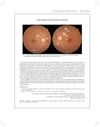
 Regular eye exams are important for detecting serious complications in lupus patients.
 1 citations
,
December 2017 in “Anais Brasileiros de Dermatologia”
1 citations
,
December 2017 in “Anais Brasileiros de Dermatologia” Frontal fibrosing alopecia can mimic traction alopecia but has distinct features like facial papules and eyebrow thinning.

The woman was diagnosed with lichen sclerosus, a rare skin condition, after initial misdiagnosis and ineffective treatments.
32 citations
,
August 2016 in “Science Signaling” Alopecia areata patients show unique protein activity patterns, suggesting imbalanced signaling pathways.
 11 citations
,
March 2007 in “Digestive Diseases and Sciences”
11 citations
,
March 2007 in “Digestive Diseases and Sciences” The conditions alopecia areata, primary sclerosing cholangitis, and ulcerative colitis may be linked by shared autoimmune and cell death mechanisms.
6 citations
,
January 2013 in “Journal of Cosmetics Dermatological Sciences and Applications” Lichen planopilaris is a common cause of scarring hair loss in Iraq.
May 2025 in “Preprints.org” Unique microRNA patterns can help diagnose and treat severe alopecia areata.
 February 2021 in “Cureus”
 A woman's hair loss was initially misdiagnosed as scarring hair loss but was actually a treatable autoimmune hair loss.