 11 citations
,
January 2019 in “Skin appendage disorders”
11 citations
,
January 2019 in “Skin appendage disorders” Hyaluronic acid injections can cause hair loss due to blocked blood vessels.
November 2019 in “British Journal of Dermatology” FOL-005 peptide may help treat excessive hair growth safely.
 April 2026 in “Zenodo (CERN European Organization for Nuclear Research)”
 Nanocrystals improve drug delivery and bioavailability for poorly soluble drugs.
January 2020 in “한국공업화학회 연구논문 초록집” Encapsulated hair cells in a special gel can help regenerate hair follicles, potentially treating hair loss.
 6 citations
,
February 2023 in “Journal of nanobiotechnology”
6 citations
,
February 2023 in “Journal of nanobiotechnology” The new anti-acne treatment HA-P5 effectively reduces acne by targeting two key receptors and avoids an enzyme that can hinder treatment.
March 2026 in “Advanced Healthcare Materials” November 2022 in “Journal of Nanobiotechnology” The developed system could effectively treat hair loss and promote hair growth.
 April 2025 in “ACS Applied Nano Materials”
 A new treatment using dissolvable microneedles with nickel-copper and minoxidil improves hair growth and health in androgenetic alopecia.
The hydrogel speeds up wound healing and improves tissue repair.
6 citations
,
December 2017 in “Journal of Drug Delivery and Therapeutics” Arnica Hydrogel may be a better, non-greasy option for treating hair loss.
December 2019 in “RIUnB Institutional Repository (University of Brasília)” NP-AH-CDM-4 nanoparticles show promise for effective topical acne treatment.
5 citations
,
January 2000 
A new microneedle treatment shows promise for repigmenting skin in vitiligo.
13 citations
,
March 2020 in “Spectrochimica Acta Part A Molecular and Biomolecular Spectroscopy” Alopecic hair has more irregular structures and chemical changes than normal hair, reducing its strength.
47 citations
,
October 2021 in “Journal of Nanobiotechnology” HPDAlR nanoparticles greatly improve skin wound healing without toxicity.
3 citations
,
October 1994 in “Journal of Dermatological Science” The new antibody, TYHF-1, specifically targets certain hair-related structures.
 September 2025 in “ACS Applied Polymer Materials”
 The hydrogel speeds up wound healing, fights bacteria, reduces inflammation, and monitors pH.
January 2012 in “RepositóriUM (Universidade do Minho)” PLA nanoparticles can effectively deliver treatments to hair follicles, showing potential for hair therapy.
 24 citations
,
February 2015 in “Experimental Cell Research”
24 citations
,
February 2015 in “Experimental Cell Research” NFIC helps human dental stem cells grow and become tooth-like cells.
 2 citations
,
August 2021 in “Skin appendage disorders”
2 citations
,
August 2021 in “Skin appendage disorders” White piedra is a rare hair infection treated with oral and topical antifungals.
 April 2024 in “AAPS PharmSciTech”
 New microneedle method improves hair regrowth treatment delivery.
 76 citations
,
January 2019 in “Nanoscale”
76 citations
,
January 2019 in “Nanoscale” Created material boosts hair growth and kills bacteria for wound healing.
December 1998 in “福井大学教育学部紀要 第4部 教育科学” HA-P5 effectively treats acne without causing side effects seen in other treatments.
 March 2025 in “Dental Journal (Majalah Kedokteran Gigi)”
 The sponge effectively controls bleeding and prevents infection after tooth extraction.

Polydopamine is promising for personalized medicine and biomedical technology due to its strong adhesion and biocompatibility.
January 2002 in “Academic Journal of Kunming Medical College” Human-hair keratin artificial tendons are biocompatible and degrade well in rabbits.
15 citations
,
October 2020 in “Journal of Nanomaterials” Strontium nanofibers can help repair and regenerate bones.
82 citations
,
May 2020 in “International Journal of Molecular Sciences” Injectable biomaterials can effectively regenerate dental tissues.
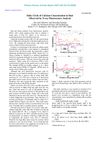
Hair can show daily calcium changes, linked to body calcium levels and influenced by hormones, and can help assess calcium metabolism issues.
 March 2024 in “Bioactive Materials”
 New treatment using engineered nanovesicles in hydrogel improves hair growth by repairing hair follicle cells in a mouse model of hair loss.