 254 citations
,
January 2012 in “Nature Reviews Molecular Cell Biology”
254 citations
,
January 2012 in “Nature Reviews Molecular Cell Biology” Stem cell offspring help control their parent stem cells, affecting tissue health, healing, and cancer.
 245 citations
,
January 2018 in “Bone Research”
245 citations
,
January 2018 in “Bone Research” TGF-β is crucial for tissue repair and can cause diseases if not properly regulated.
 188 citations
,
March 2018 in “Frontiers in Immunology”
188 citations
,
March 2018 in “Frontiers in Immunology” Regulatory T-cells are important for healing and regenerating tissues in various organs by controlling immune responses and aiding stem cells.
 179 citations
,
July 2016 in “Nature Reviews Molecular Cell Biology”
179 citations
,
July 2016 in “Nature Reviews Molecular Cell Biology” Epigenetic changes control how adult stem cells work and can lead to diseases like cancer if they go wrong.
 132 citations
,
August 2012 in “Biochimica et Biophysica Acta (BBA) - General Subjects”
132 citations
,
August 2012 in “Biochimica et Biophysica Acta (BBA) - General Subjects” TGF-β signaling is crucial for stem cell maintenance, differentiation, and has implications for cancer treatment.
 113 citations
,
November 2017 in “Scientific Reports”
113 citations
,
November 2017 in “Scientific Reports” Tiny particles from stem cells help activate hair growth cells and encourage hair growth in mice without being toxic.
 101 citations
,
December 2010 in “The journal of investigative dermatology/Journal of investigative dermatology”
101 citations
,
December 2010 in “The journal of investigative dermatology/Journal of investigative dermatology” Scientists turned mouse stem cells into skin cells that can grow into skin layers and structures.
 32 citations
,
July 2018 in “Scientific Reports”
32 citations
,
July 2018 in “Scientific Reports” Essential-oils-cobalt improves goat growth and product quality.
 20 citations
,
September 2020 in “Journal of Translational Medicine”
20 citations
,
September 2020 in “Journal of Translational Medicine” Mesenchymal stromal cells may help treat severe COVID-19, but more research is needed to confirm their effectiveness.
 13 citations
,
November 2024 in “Frontiers in Microbiology”
13 citations
,
November 2024 in “Frontiers in Microbiology” Mesenchymal stem cells can help heal burn wounds and reduce scarring.
 13 citations
,
August 2018 in “Facial Plastic Surgery Clinics of North America”
13 citations
,
August 2018 in “Facial Plastic Surgery Clinics of North America” Adipose tissue shows promise for hair regrowth, but more research is needed to confirm best practices and effectiveness.
 12 citations
,
March 2016 in “BBA clinical”
12 citations
,
March 2016 in “BBA clinical” Increased Toll-like receptors in blood cells may contribute to alopecia areata and could be a target for new treatments.
 6 citations
,
March 2021 in “Cytotechnology”
6 citations
,
March 2021 in “Cytotechnology” Mesenchymal stem cells show promise in treating COVID-19 by reducing inflammation and aiding recovery, but more research is needed.
 4 citations
,
June 2025 in “Frontiers in Immunology”
4 citations
,
June 2025 in “Frontiers in Immunology” BAFF-targeted therapies can reduce autoimmune disease activity, but more research is needed for precise treatments.
 2 citations
,
January 2026 in “Frontiers in Endocrinology”
2 citations
,
January 2026 in “Frontiers in Endocrinology” Next-generation Treg therapies could help achieve lasting immune tolerance in type 1 diabetes.
 2 citations
,
May 2023 in “Frontiers in immunology”
2 citations
,
May 2023 in “Frontiers in immunology” Skin stem cells remember past inflammation, helping them respond better to future injuries and possibly aiding in treating skin issues.
 2 citations
,
May 2021 in “Bioengineering”
2 citations
,
May 2021 in “Bioengineering” Blood stem cells are diverse, influenced by many factors, and understanding them is key for progress in regenerative medicine.

γδ T cells help control tissue scarring and blood vessel growth in response to foreign objects.
 1 citations
,
September 2022 in “Morphology”
1 citations
,
September 2022 in “Morphology” Human stem cells have diverse sources and potential uses in medicine.
 1 citations
,
January 2021
1 citations
,
January 2021 CD4+ skin cells may be precursors to basal cell carcinoma.
 June 2026 in “Discover Immunity.”
 Mesenchymal stem cells help improve skin healing and rejuvenation.
 December 2025 in “Academic Journal of Science and Technology”
 Mesenchymal stem cells can effectively aid skin healing and anti-aging.
 January 2024 in “Asthma Allergy Immunology”
 Innate lymphoid cells help us understand and manage allergic diseases better.
 December 2023 in “bioRxiv (Cold Spring Harbor Laboratory)”
 Different types of inactive melanocyte stem cells exist with unique characteristics and potential to develop into other cells.
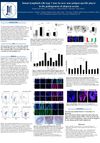
Innate lymphoid cells type 1 may contribute to alopecia areata by damaging hair follicles.
 January 2014 in “Durham e-Theses (Durham University)”
 Notch1 helps skin heal by attracting cells that aid repair.
 76 citations
,
February 2021 in “International Journal of Molecular Sciences”
76 citations
,
February 2021 in “International Journal of Molecular Sciences” Mesenchymal stem cells show potential for skin healing and anti-aging, but more research is needed for safe use, especially regarding stem cells from induced pluripotent sources.
 27 citations
,
April 2018 in “Journal of autoimmunity”
27 citations
,
April 2018 in “Journal of autoimmunity” iNKT cells can help prevent and treat alopecia areata by promoting hair regrowth.
 13 citations
,
August 2020 in “Frontiers in Immunology”
13 citations
,
August 2020 in “Frontiers in Immunology” Gamma delta T cells in the skin help with healing and defense but can also cause autoimmune issues, and more research is needed to understand how they are activated.
 12 citations
,
May 2019 in “Stem cell reviews”
12 citations
,
May 2019 in “Stem cell reviews” Fetal-maternal stem cells in a mother's hair can help with tissue repair and regeneration long after childbirth.